
Why Is My Concrete Sinking?
Short answer: Concrete sinks when soil beneath the slab shrinks, washes away, or consolidates, leaving an unsupported void into which the concrete settles. Expansive clay soil...
By Everyday Home Advice Editorial Team
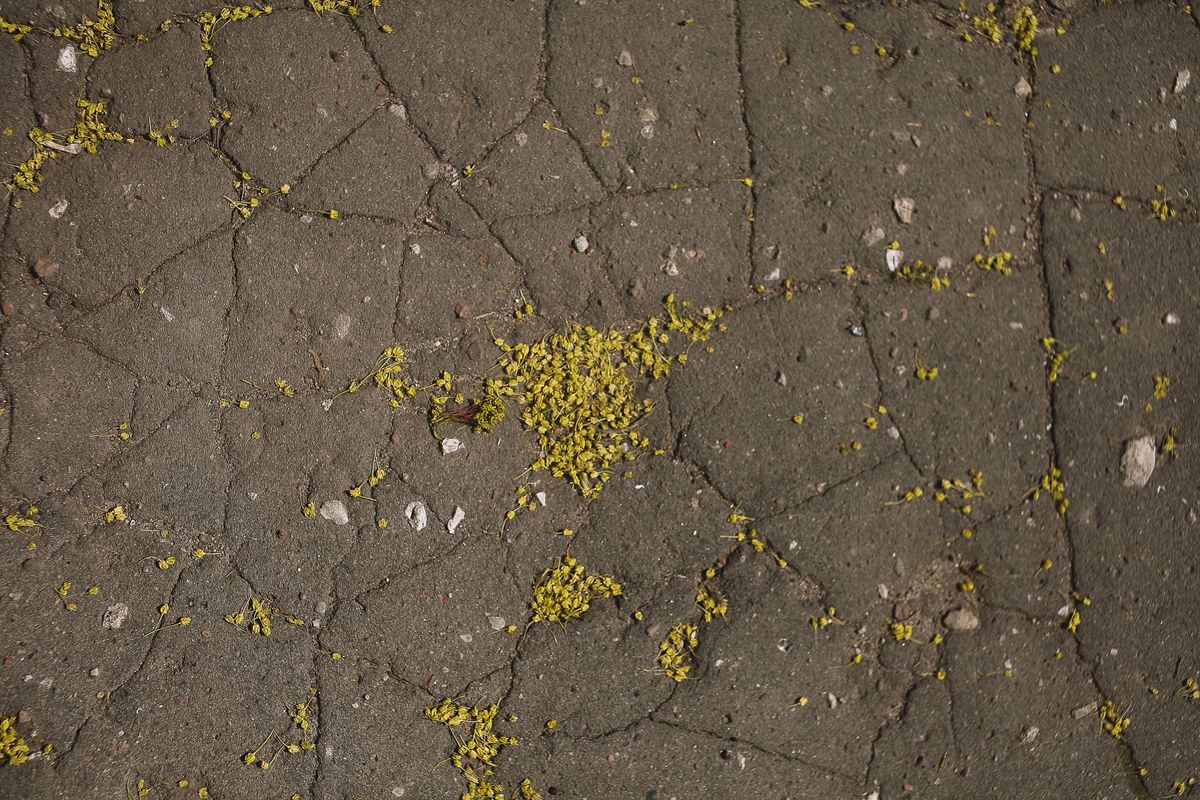
Short answer: Concrete sinks when soil beneath the slab shrinks, washes away, or consolidates, leaving an unsupported void into which the concrete settles. Expansive clay soil that shrinks during dry heat, combined with soil erosion from heavy rain, causes most flatwork settlement in Dallas-Fort Worth.
Identifying sunken concrete symptoms
Sunken concrete flatwork presents clear visual indicators. Vertical drops along expansion or control joints create distinct tripping hazards between adjacent panels. Walkways and patio slabs may tilt back toward exterior house walls rather than sloping away to shed surface water. Driveway panels can drop below the level of the garage floor joint. Other symptoms appear before major slab drops occur. Water pools in low spots on flatwork after rain. Tapping on concrete sections produces a hollow sound, indicating an air space directly beneath the slab. Gaps can also open along outer edges where topsoil has washed away. Unaddressed settlement poses structural risks. Slabs sloping toward the home channel rainwater directly against the foundation wall. Persistent pooling destabilizes foundation soils and increases moisture risks along perimeter framing.
Primary causes of soil movement under slabs
Soil instability under concrete flatwork stems from distinct environmental and structural factors:
- Expansive clay dynamics: Local soils contain dense clay that expands when wet and shrinks when dry. Long summer heat dries subgrade clay, leaving voids beneath concrete. Rainwater filling these voids rarely lifts heavy concrete back into place.
- Soil erosion and washout: Intense rain washes subgrade soil away from concrete edges. Uncontrolled roof downspouts discharging near flatwork accelerate soil loss.
- Utility and irrigation leaks: Leaking underground sprinkler pipes or water lines continuously wash subgrade soil into lower soil strata, leaving hollow cavities.
- Inadequate subgrade compaction: Loose backfill material in utility trenches or uncompacted soils under newly poured concrete consolidate over time under heavy weight.
Safe homeowner checks and safety risks
Homeowners can safely perform basic visual checks. Use a long level across control joints to measure height differences between adjacent slabs. Observe surface water flow during heavy rain to verify water moves away from the foundation. Check downspout discharge locations to confirm splash blocks push water away from driveway and walkway edges. There are specific safety risks homeowners must avoid:
- Never try to lift heavy concrete slabs with pry bars or mechanical jacks. Concrete slabs can break suddenly, causing severe personal injury.
- Do not excavate soil along slab edges without marking underground utility lines. Gas, electric, and water lines often run beneath flatwork.
- Avoid applying self-leveling concrete over sunken slabs without filling underlying voids, as added weight causes further settlement.
How professionals evaluate settled concrete
Contractors evaluate surface conditions and underlying soil structure before recommending repairs. They measure slab displacement, map crack patterns, and assess property drainage slopes. Technicians locate underground voids by inserting soil probes beneath slab edges or through small test holes to measure soil density and void depth. When underlying leaks are suspected, trade testing is necessary. A licensed plumber, regulated by the Texas State Board of Plumbing Examiners, conducts pressure tests on water lines to find hidden leaks. Sprinkler system issues should be tested by an irrigation technician licensed through the Texas Commission on Environmental Quality (TCEQ) to ensure broken lines are not eroding subgrade soil.
Concrete repair options and cost factors
Slab lifting is ideal if concrete remains intact without extensive cracking. If a slab is severely shattered or crumbling, complete removal and replacement are necessary. Common concrete lifting methods include:
- Polyurethane foam injection (polyjacking): High-density foam is injected through small holes in the slab. The foam expands rapidly, fills voids, and lifts the concrete without adding heavy mass to subgrade soil.
- Mudjacking: A slurry mix of sand, soil, and cement is pumped beneath the concrete to fill voids and raise the slab. However, this adds weight that can cause future soil compression.
Repair costs are driven by several factors rather than slab square footage alone:
- The total volume of void space requiring fill material.
- Site accessibility for specialized equipment.
- Severity and length of structural cracks.
- Necessary plumbing or drainage fixes needed to stop active erosion before lifting starts.
Prevention and moisture management
Preventing concrete settlement requires managing soil moisture levels around flatwork to stop cycles of clay shrinkage and erosion. Maintain a uniform soil moisture routine near driveways, walkways, and patios during extended dry summer periods. Soaker hoses or subsurface drip irrigation placed near flatwork edges keep clay soils hydrated and stable. Proper drainage management is equally essential. Extend gutter downspouts to discharge water at least five feet from concrete surfaces. Grade lawn beds away from flatwork so surface water flows off rapidly. Inspect irrigation systems and outdoor hose spigots regularly to fix minor leaks promptly.
Common questions
Can a sunken concrete walkway fix itself after rain?
No. Wet clay soil swells when saturated, but it does not lift heavy concrete slabs back to their original position evenly. Irregular expansion creates localized pressure points, which can fracture the concrete further.
Is polyurethane concrete lifting permanent?
Polyurethane foam does not degrade or wash away underground. However, long-term success depends on maintaining stable soil conditions. If unmanaged water runoff or clay shrinkage continues, surrounding soil can still settle.
Does homeowners insurance cover sunken concrete?
Standard homeowners insurance policies exclude damage caused by earth movement, soil settling, or clay shrinkage. Coverage typically applies only if concrete settlement directly results from a sudden covered peril, like a major water main break.
Do concrete repair contractors need a state license in Texas?
In Texas, general concrete contractors are not licensed at the state level, though local municipalities may require business permits. However, any plumbing repairs required under slabs must be completed by a state-licensed plumber.