
When Do Concrete Cracks Need Repair?
Short answer: Concrete cracks require repair when they show vertical offset, exceed a quarter-inch in width, allow water intrusion near structural elements, or show ongoing...
By Everyday Home Advice Editorial Team
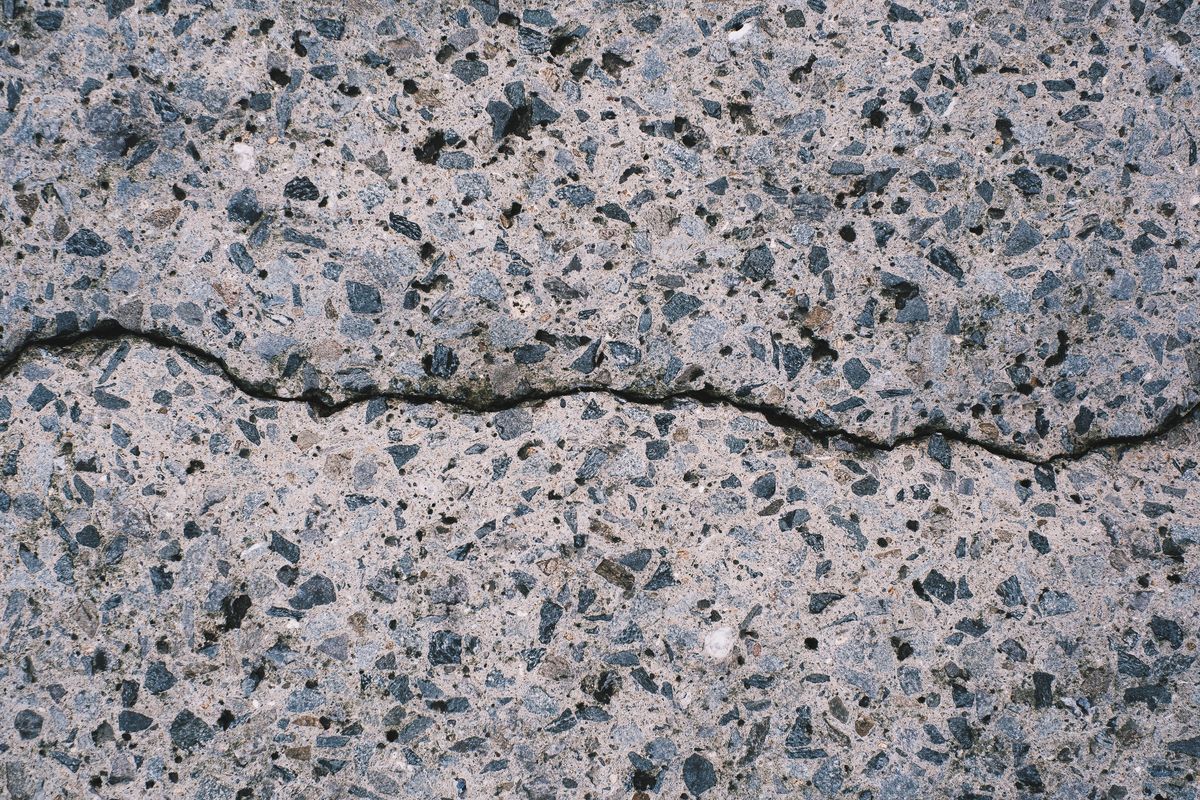
Short answer: Concrete cracks require repair when they show vertical offset, exceed a quarter-inch in width, allow water intrusion near structural elements, or show ongoing movement over time. Minor hairline cracks are typically cosmetic and require flexible sealant, but cracks with vertical displacement, active widening, or uneven edges create safety hazards and allow water to degrade the supporting subgrade.
Evaluating Crack Severity and Types
Not all concrete cracks indicate structural failure. Plastic shrinkage cracks appear shortly after pouring as water evaporates during curing. These surface-level fissures are narrow, shallow, and generally static, requiring minimal attention unless water intrusion is a concern. Cracks requiring action fall into distinct visual categories: Vertical offset cracks: One side of the slab sits higher than the other, creating a tripping edge on walkways, patios, or driveways. Wide or expanding cracks: Openings wider than a quarter-inch allow debris, vegetation, and water to penetrate deep into the base material. Active structural cracks: Fissures that cut across control joints, extend through edge beams, or continuously widen over dynamic moisture seasons. Shattered or spiderwebbed sections: Interlocking cracks that break a slab into multiple independent pieces, indicating subgrade collapse under load.
Root Causes of Concrete Damage
Concrete fails under tension. While concrete has high compressive strength, its tensile strength is relatively low. Environmental and soil factors beneath the slab dictate how and when cracking occurs. Inadequate subgrade compaction before pouring allows soil to settle unevenly under the weight of the slab or heavy vehicles. Poor drainage allows standing water to wash away subgrade material, leaving air voids that cause slab unsupported settlement. Overloading flatwork with heavy equipment or delivery vehicles can exceed the slab's shear capacity, creating structural fractures. Curing defects, such as excessive water added to the mix during installation or missing control joints, create internal stresses that force cracks to form outside designated relief lines.
North Texas Soil and Weather Impact
Flatwork and foundations in the Dallas-Fort Worth area face severe environmental stress driven by expansive clay soil. This clay acts like a sponge, expanding when saturated during heavy spring rains and shrinking significantly during hot, dry summer droughts. When soil beneath a slab loses moisture, it contracts and leaves hollow spaces beneath the concrete. The slab drops into these voids, resulting in severe cracking and vertical offset. Conversely, rapid soil swelling during rainy periods exerts intense upward pressure, causing center-heaving or corner-cracking. Severe winter freezes worsen these cracks when trapped water freezes, expands, and breaks off the top surface layer of concrete. Residential slabs in the region frequently utilize post-tensioned foundation designs. These slabs rely on high-strength steel tendons threaded through the concrete and pulled under high tension. Structural cracking that penetrates to the level of these internal cables creates paths for moisture, risking tendon corrosion and structural destabilization.
Homeowner Checks and Safety Limits
Homeowners can monitor flatwork safety without specialized tools. Use a millimeter ruler or tape measure to log crack width at specific marked locations. Photograph the crack alongside a ruler, noting the date to track changes between dry summer periods and wet spring seasons. Check for trip hazards by placing a straight edge across the crack to measure vertical displacement. Look for signs of active water entry near garage entry doors, exterior walls, or soil edges where water disappears beneath the slab. Safety boundaries: Never attempt to drill, saw, chip, or break into a post-tensioned slab near crack lines or stampings marked "POST-TENSION." Do not attempt to lift heavy, dislodged slab sections manually, as under-slab voids can cause sudden collapse. * Avoid applying rigid mortar or concrete patch mix into active movement joints, as the rigid material will pop out or force new cracks to form elsewhere. Note that general contractors in Texas do not hold a statewide license. Homeowners should verify contractor insurance, references, and concrete-specific experience before hiring for structural repairs.
Professional Testing Procedures
When cracks show ongoing movement or adjoin a house foundation, a professional evaluation determines the underlying cause. Structural engineers, licensed statewide by the Texas Board of Professional Engineers and Land Surveyors, perform objective assessments to distinguish between slab flatwork settlement and foundation system failure. Engineers use digital manometers or zip levels to map relative surface elevations across the concrete, measuring differential deflection. They examine moisture profiles around the perimeter, assess local drainage performance, and verify whether structural movement affects home framing, door operation, or brick veneer. For post-tensioned systems, specialized contractors locate tendon channels electronically before any invasive repairs occur, ensuring repair anchors do not strike tensioned cables.
Repair Options versus Replacement
Choosing between repair and full replacement depends on slab integrity, vertical displacement, and subgrade stability.
Crack Sealing
Narrow cracks without vertical offset are sealed using flexible elastomeric polyurethane or polyurea joint sealants. These materials bond to the concrete walls while stretching during soil movement, keeping surface water out.
Slab Lifting and Stabilization
When slabs settle unevenly, contractors use polyurethane foam injection (polyjacking) or cementitious grout pumping (mudjacking). Polyurethane foam expands beneath the slab, filling voids, compacting loose subgrade soil, and raising the sunken slab edge back to flush height.
Epoxy Injection and Stitching
For structural repairs on clean, non-moving cracks, high-strength epoxy pressure injection restores monolithic strength. Carbon fiber stitching staples placed across crack lines prevent horizontal separation.
Full Replacement
If a slab is shattered into multiple moving fragments, heavily spalled over large surface areas, or severely sloped due to extensive subgrade washouts, full removal and repouring is required.
What Drives Repair Costs
Repair expenses vary based on several site parameters rather than crack length alone: Type of repair method: Flexible elastomeric caulking requires lower material costs than high-density expanding polyurethane injection or carbon fiber stitching. Subgrade void volume: Sinking slabs with extensive underlying voids require higher quantities of structural foam or grout to achieve stabilization. Accessibility and site prep: Deeply recessed backyard patios or steep driveways require extra labor and specialized equipment access compared to front walkways. Engineering and permitting: Structural foundation assessments by a licensed engineer add initial diagnostic costs but protect overall home value. Preventing concrete failure relies on moisture consistency. Install soaker hoses or drip lines around flatwork perimeters during drought periods to prevent clay soil shrinkage. Keep downspout extensions discharging water away from concrete edges, and clean debris from slab control joints promptly.
Common questions
Can I fill concrete cracks with regular mortar or quick-setting cement?
No. Rigid cement mixes lack elasticity and bonding power for narrow cracks. As the concrete slab expands and contracts with ambient temperature and soil moisture changes, rigid patches will crack, loosen, and pop out. Use high-grade elastomeric polyurethane sealant instead.
Why do concrete cracks open in summer and close in spring?
Expansive clay soil beneath the concrete shrinks as it dries out during hot summer weather, dropping support and widening cracks. Spring rains rehydrate the clay soil, causing it to swell and push the concrete back upward, which narrows the crack opening.
Is a hairline crack in a garage floor serious?
Hairline cracks under an eighth of an inch wide without vertical displacement are usually harmless curing shrinkage cracks. However, if the crack begins to widen, shows height differences between sides, or leaks water during rainfall, it requires professional assessment.
How soon after a concrete crack forms should I seal it?
Seal non-moving cracks as soon as they are wide enough to accept sealant. Blocking water intrusion early prevents moisture from eroding the underlying base soil or expanding inside the crack during winter freeze cycles.