
Can You Install New Flooring Over Old Flooring?
Short answer: Yes, you can install new flooring over old flooring under specific conditions. The existing surface must be flat, structurally sound, clean, and securely...
By Everyday Home Advice Editorial Team
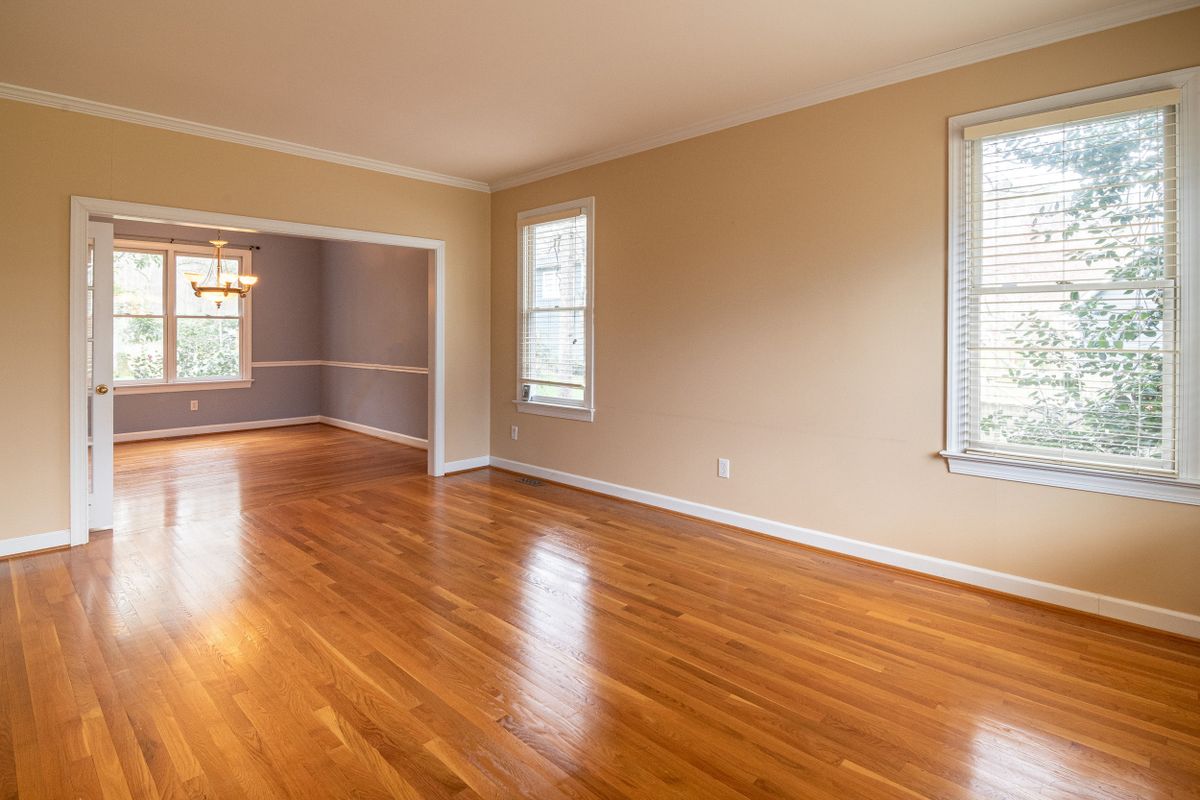
Short answer: Yes, you can install new flooring over old flooring under specific conditions. The existing surface must be flat, structurally sound, clean, and securely attached. Additionally, the new floor manufacturer must explicitly approve installation over that substrate, and the added thickness must not trap kitchen appliances or prevent doors from opening properly.
Evaluating your existing floor for overlay suitability
Before laying new flooring over an existing surface, inspect the current floor for stability, levelness, and structural integrity. A new floor overlay is only as stable as the surface beneath it. Start with a simple flatness test. Place a long straightedge or spirit level across the floor in multiple directions. Look for gaps or high spots that exceed the manufacturer's tolerances, which usually require the floor to be flat within a tight margin across a multi-foot radius. Next, test tile or sheet products for bonding issues. Perform a tap test across ceramic or porcelain tile using a hard object, such as a golf ball or handle of a screwdriver. A hollow ring indicates that the tile has detached from the mortar bed underneath. Unbonded tile will cause new flooring above it to flex, creak, or crack. Finally, check all vertical clearances. Measure the distance between the finished floor and door bottoms, cabinet toe-kicks, and transition strips at exterior entries.
Material compatibility and vertical clearance risks
Not all flooring combinations work together. Overlaying the wrong materials creates mechanical failures or severe operational issues inside the home. Luxury vinyl plank and laminate can often go over single-layer, fully adhered sheet vinyl or glued-down wood planks. The old floor must be smooth and firmly attached. Installing rigid core flooring over cushioned vinyl or padded carpet is not acceptable, as the flexible base causes locking mechanisms to snap under foot traffic. Installing tile over tile requires specialized modified thin-set mortar or acrylic bonding primers. Ceramic tile adds notable weight to the floor structure and raises the floor height significantly. Vertical height increases create hidden complications. Adding material in front of a built-in dishwasher can lock the unit into its cabinet opening, making future repairs or replacements impossible without destroying the counter or floor. Interior doors may need to be removed and trimmed at the bottom, and exterior doors may lose required weatherstripping clearance.
What not to disturb and when to stop
Certain existing floor conditions require a complete halt to work rather than an overlay attempt. Sheet vinyl, vinyl composition tile, and black cutback adhesive installed prior to the late 1980s frequently contain asbestos fibers. Sanding, scraping, or mechanically removing these products releases hazardous airborne dust. While encapsulating intact asbestos tile under a rigid floating floor can be safe if permitted by local code, grinding or dry sanding old mastic is dangerous and must never be attempted. Soft, spongy, or bouncy floor areas indicate moisture decay or structural damage in the wood subfloor underneath. Covering rotted wood or delaminated plywood masks serious structural issues and allows fungal decay to spread. If floor preparation requires disconnecting gas lines, relocating water lines, or altering drainage for dishwashers and ice makers, work should be performed by a licensed plumber. In Texas, plumbing and electrical work must be performed by tradespeople licensed through the Texas Department of Licensing and Regulation (TDLR), whereas general construction contractors are not licensed at the state level.
Professional moisture and subfloor testing
Professionals perform specialized testing before approving any floor-over-floor installation to ensure long-term durability. For concrete substrates, installers conduct in-situ relative humidity testing using probes inserted into drill holes in the concrete. Alternatively, a calcium chloride test measures the moisture vapor emission rate from the surface of the slab. Excessive vapor emission destroys adhesives, causes floating vinyl to cup, and promotes mold growth under the floor cover. On wood subfloors, technicians use pin-style moisture meters to measure the internal moisture content of wood flooring and subfloor panels. High moisture differentials between subfloor layers cause warping and board separation over time. Installers also measure subfloor deflection on joist systems. Rigid materials like tile require minimal structural flex, or the floor will crack along grout lines.
North Texas foundation and climate considerations
Homeowners in Dallas-Fort Worth face specific substrate challenges tied to regional geology and weather patterns. Slab-on-grade foundations are standard throughout the DFW area. These concrete slabs rest directly on expansive clay soil, which expands significantly during rain-soaked periods and contracts during prolonged summer dry spells. This soil movement causes seasonal foundation shifting and creates hairline cracks throughout concrete slabs. When moisture migrates upward through a concrete slab, an overlay floor traps that vapor beneath two layers of non-breathable material. Without a proper vapor retarder, moisture accumulates between the old floor and the new floor, leading to adhesive failure, foul odors, and fungal growth. For DFW homes built on pier-and-beam foundations with crawl spaces, high ambient outdoor humidity in spring and summer enters ventilation openings beneath the house. Trapping moisture between an old hardwood floor and a new layer can cause severe cupping and subfloor deterioration from below.
Repair versus complete tear-out
Deciding between patching the existing surface or removing it entirely comes down to floor condition and project scope. Patching and overlaying works well when the existing floor is fully adhered, structurally sound, flat, and dry. Small surface low spots can be filled using a high-compressive-strength floor patching compound or self-leveling underlayment prior to installation. Complete tear-out is necessary when the original floor is loose, water-damaged, heavily textured, cupped, or composed of multiple existing layers. Stripping the subfloor back to bare wood or concrete allows installers to inspect the substrate directly, repair damaged panels, seal slab cracks, and apply fresh vapor retarders. Project cost is driven primarily by demolition labor, jobsite waste disposal, extent of subfloor leveling compound needed, door trimming, cabinet transition fitting, and the complexity of plumbing or appliance disconnections.
Common questions
Can I install floating vinyl plank over old ceramic tile?
Yes, provided the tile is firmly bonded, flat, and intact. Deep grout lines or textured tiles must be filled with an embossing leveler or patch compound first to prevent the grout lines from telegraphing through the new vinyl plank.
How do I know if my existing wood floor has too much moisture?
A professional floor installer uses a calibrated pin moisture meter to compare the subfloor wood moisture content against the room's relative humidity. Visual signs like board cupping, crowning, or dark staining along board edges also indicate active moisture problems.
Will installing new flooring over old flooring trap my dishwasher?
It can. Standard dishwasher openings require a minimum height clearance from the finished floor to the underside of the countertop. Adding a new layer of flooring in front of the dishwasher without extending it beneath the unit creates a lip that prevents the appliance from sliding out for service.
Are general contractors licensed in Texas for flooring installations?
Texas does not issue a statewide general contractor license. However, if your flooring project involves re-routing plumbing lines or electrical circuits for appliances, those specific tasks must be completed by plumbers or electricians licensed through TDLR.