
What Flooring Is Best for High-Traffic Areas?
Short answer: Durability in high-traffic areas depends on surface hardness, wear layer quality, and subfloor preparation. Glazed porcelain tile, luxury vinyl plank with a thick...
By Everyday Home Advice Editorial Team
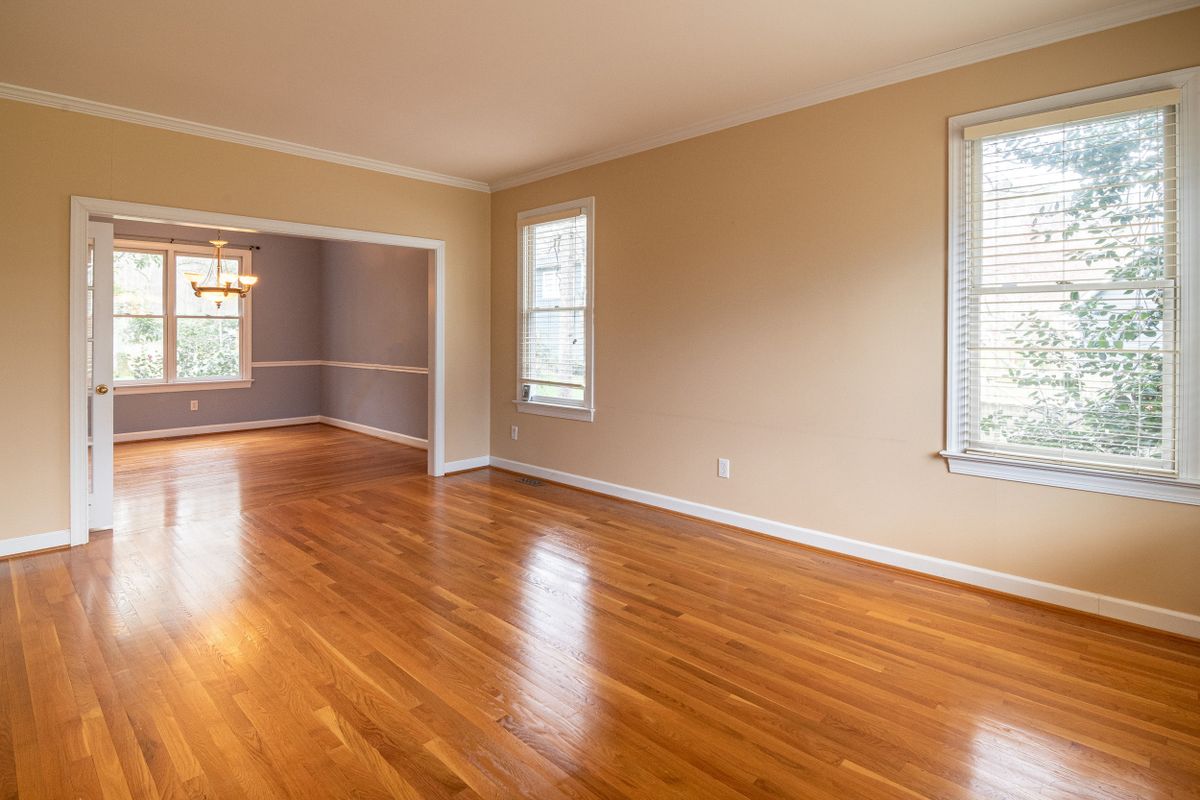
Short answer: Durability in high-traffic areas depends on surface hardness, wear layer quality, and subfloor preparation. Glazed porcelain tile, luxury vinyl plank with a thick commercial wear layer, and high-durability engineered hardwood are strong options. In Dallas-Fort Worth homes, long-term success also requires managing ground moisture emissions from concrete slab foundations and accommodating seasonal movement caused by expansive clay soils.
Identifying Signs of High-Traffic Floor Wear
High-traffic zones in a home include entryways, hallways, kitchen pathways, and main living areas. Over time, heavy foot traffic, pet claws, grit, and moved furniture cause distinct wear patterns across different materials. Signs of wear include dulling in walking paths, surface scratches, chipped tile edges, and scuffed protective topcoats. Homeowners can also notice separating seams, cupped plank edges, or hollow sounds underfoot. Ignoring early wear allows dirt and moisture to penetrate beneath the surface layer. When protective coatings break down, water from shoes or household cleaning reaches the underlying core or subfloor, leading to swelling, buckling, or adhesive failure.
Comparing High-Traffic Flooring Options
Selecting appropriate flooring requires matching the traffic demands of your household with the physical properties of the material.
Luxury Vinyl Plank and Tile
Luxury vinyl plank and luxury vinyl tile handle heavy foot traffic well when built with a rigid core and a thick wear layer. The wear layer protects the printed image from scuffs and scratches. Luxury vinyl is highly water resistant, making it suitable for entryways and kitchens where dirt and moisture accumulate.
Porcelain and Ceramic Tile
Glazed porcelain tile is a dense and durable flooring option. Fired at higher temperatures than standard ceramic tile, porcelain resists heavy impact, surface scratches, and liquid absorption. Textured finishes help lower slip risks in high-traffic entryways, though tile feels rigid underfoot and requires sealed grout lines.
Engineered Hardwood
Engineered hardwood provides natural wood character with stable dimensional performance. It consists of a solid hardwood veneer bonded over a cross-layered core. Dense wood species such as white oak, hickory, or maple coated with protective factory finishes withstand heavy foot traffic better than softer woods.
High-Density Laminate
Modern laminate flooring designed with durable surface ratings offers strong scratch resistance against pets and foot traffic. Because laminate is sensitive to moisture along its seams, spills must be cleaned up promptly in kitchens and entry halls.
Dallas-Fort Worth Soil and Subfloor Challenges
Flooring performance in Dallas-Fort Worth is closely tied to local foundation styles and environmental conditions. Many homes in the region are built on concrete slab-on-grade foundations constructed over expansive clay soils. Expansive clay soil expands during rainy periods and shrinks during hot, dry weather. This soil movement causes minor shifts in concrete foundations, which can lead to hairline slab cracks and slight surface unevenness. Rigid surface materials like large-format tile can crack if installed over shifting slabs without a crack isolation membrane. In addition, concrete slabs absorb moisture from the ground below and release it upward as vapor. High summer temperatures require home air conditioning systems to run frequently, creating a temperature and moisture differential between indoor living spaces and the concrete slab beneath the floor.
Safe Homeowner Checks Before Installing New Flooring
Before selecting a replacement floor, homeowners can perform non-invasive checks in high-traffic spaces:
- Check subfloor levelness by placing a long straightedge across high-traffic paths to identify dips or humps.
- Walk across the area to listen for squeaks, popping sounds, or flex underfoot that indicates subfloor movement.
- Verify door clearances to ensure the added thickness of new flooring and underlayment will not interfere with exterior doors or interior room transitions.
- Inspect surrounding baseboards and door jambs for signs of past moisture exposure, wood decay, or water staining.
Do not scrape, sand, or disturb older sheet vinyl or underlying adhesives. Legacy resilient flooring products and black mastic adhesives in older homes can contain asbestos, which requires professional containment and testing. Avoid grinding concrete or cutting subfloor panels without proper dust suppression equipment.
Professional Subfloor Testing and Installation Preparation
Professional installers perform structural and environmental checks before putting down new high-traffic floors. General contractors and flooring installers do not hold statewide licenses in Texas, but specialized trade contractors such as A/C contractors, plumbers, electricians, and mold remediation contractors are licensed through the Texas Department of Licensing and Regulation (TDLR) if installation work involves modifying mechanical, plumbing, or electrical systems. Installers test concrete slabs using calcium chloride kits or relative humidity probes inserted into the concrete. These tests measure moisture vapor emission rates. When moisture levels are high, installers apply an epoxy moisture barrier or an approved membrane before laying down underlayment. Installers also use self-leveling cement compounds over uneven slabs to prevent hollow spots beneath click-lock planks or tile. Crack isolation membranes are installed under tile in entryways to prevent slab cracks from transferring to the surface.
Repair Options Versus Full Replacement
When high-traffic floors suffer damage, homeowners must weigh localized repairs against total floor replacement. Individual luxury vinyl planks or click-lock laminate boards can often be uninstalled or cut out and replaced without disturbing the surrounding floor. Glazed porcelain tiles can be removed individually and replaced if spare matching tiles exist, followed by fresh grout application. Engineered hardwood with a thick top veneer can be sanded and refinished to remove surface wear. If the wear layer is thin, refinishing is not possible, and damaged sections must be replaced. Full floor replacement is necessary when moisture from the slab has caused widespread plank buckling, structural core decay, or widespread adhesive failure across the room.
Factors That Drive High-Traffic Flooring Costs
Several technical variables influence the overall cost of installing high-traffic flooring:
- Subfloor preparation requirements: Grinding down high spots in concrete, applying self-leveling compounds, or installing liquid moisture barriers increases labor and material demands.
- Material grade and wear layer: Flooring featuring thicker wear layers, higher durability ratings, or dense porcelain compositions carries higher material costs.
- Demolition and waste removal: Removing existing glued-down hardwood or embedded ceramic tile requires mechanical equipment and hauling services.
- Room layout complexity: Installing patterns such as diagonal tile or herringbone wood, along with trimming around built-in cabinetry, increases installation labor and material waste.
- Baseboard and transition trim: Installing new baseboards, shoe molding, and specialized transition strips at doorways adds to project scope.
Maintaining High-Traffic Floors
Routine maintenance helps protect high-traffic floors from premature surface wear and moisture damage:
- Place heavy-duty walk-off mats at all exterior entrances to capture dirt, sand, and moisture before foot traffic enters the home.
- Sweep or vacuum regularly using a hard-floor setting to remove abrasive grit that dulls surface finishes.
- Install heavy felt pads beneath the legs of chairs, tables, and moving furniture.
- Use your home HVAC system or a dehumidifier to maintain consistent indoor humidity throughout the year, limiting expansion and contraction in wood and laminate.
- Clean up liquid spills right away to prevent water from penetrating plank joints or unsealed grout.
Common questions
What wear layer thickness works best for luxury vinyl in high-traffic hallways?
A wear layer thickness designed for high-traffic residential or light commercial use provides strong protection against scuffs, scratches, and constant foot traffic in busy hallways.
Can high-traffic flooring be installed directly over a concrete slab foundation?
High-traffic flooring can be installed over a concrete slab foundation, provided the slab is clean, level, structurally sound, and tested for moisture vapor emissions. Most installations require a moisture barrier or specialized underlayment.
How does soil movement affect tile grout in entryways?
Expansive clay soil causes minor movement in concrete slab foundations. If tile is installed without a crack isolation membrane, this foundation movement can cause grout lines to crack and tile surfaces to pop in high-traffic entryways.
Can engineered hardwood withstand foot traffic in kitchens?
Engineered hardwood with a hard species veneer and a durable factory coating can handle kitchen foot traffic. Homeowners should place mats near sinks and clean up water spills immediately to protect the wood core.