
How Often Should HVAC Be Serviced?
Short answer: Standard HVAC systems require professional servicing twice per year: once in early spring for the air conditioning system and once in early autumn for the heating...
By Everyday Home Advice Editorial Team
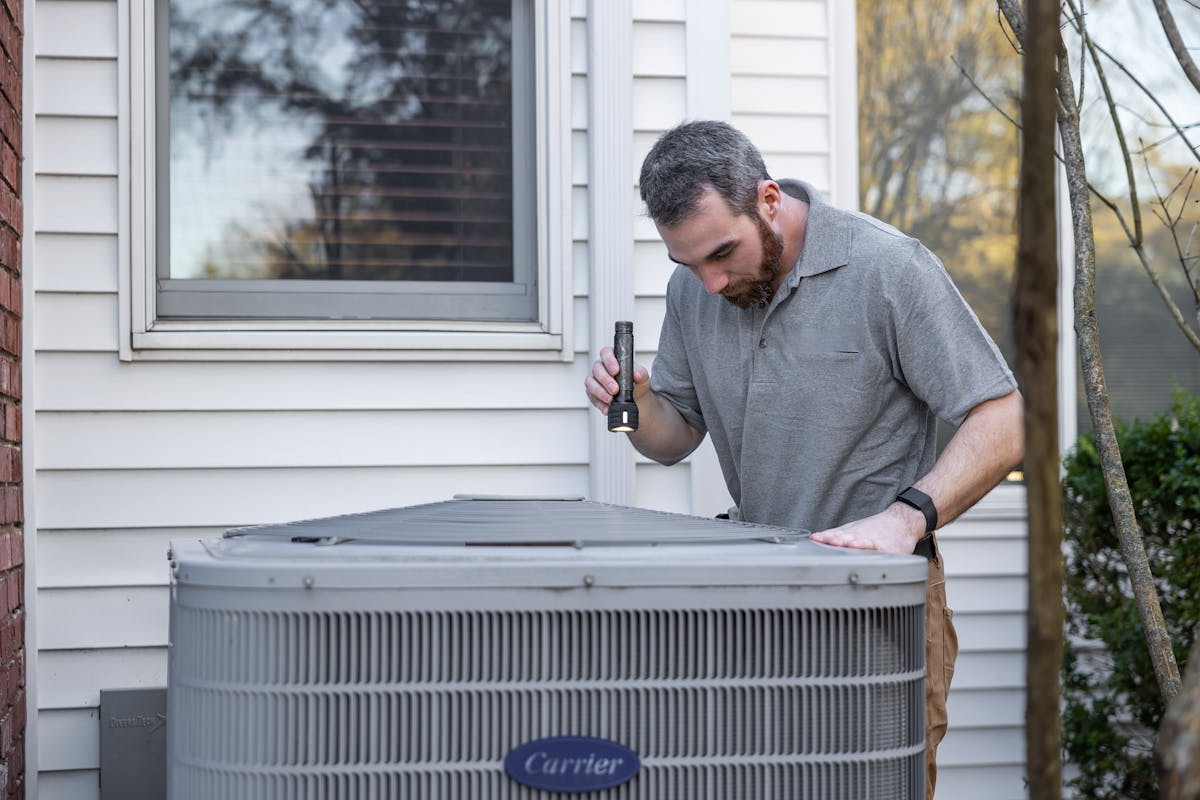
Short answer: Standard HVAC systems require professional servicing twice per year: once in early spring for the air conditioning system and once in early autumn for the heating system. Heat pump systems, which handle both cooling and heating, also require semi-annual maintenance. Regular service prevents unexpected breakdowns, maintains energy efficiency, and protects equipment from the extreme thermal demands of North Texas summers and winter freezes.
Recommended service frequency and timing
A standard split HVAC system consists of separate cooling and heating components that each require specialized care. Scheduling maintenance before peak usage seasons ensures that equipment operates safely and at full capacity when needed. Spring service focuses on the air conditioner or outdoor condenser and indoor coil, preparing the system for high heat and continuous run hours. Autumn service targets the gas furnace or electric heating elements to verify safe ignition, proper venting, and combustion safety before winter weather arrives. Heat pumps run year round to manage indoor temperatures, so they benefit from semi-annual tune ups in both spring and fall to inspect reversing valves, defrost controls, and electrical contacts.
Climate factors that accelerate equipment wear
Dallas-Fort Worth homes experience prolonged periods of extreme heat, often pushing attic temperatures well past triple digits. Air handlers and ductwork installed in unconditioned attics work under severe thermal stress, which accelerates electrical component degradation and blower motor wear. Extended cooling seasons mean local air conditioners accumulate significantly more operating hours each year than systems in cooler regions. Heavy usage causes coils to gather grime rapidly, increasing pressure on compressors. Seasonal winter freezes can create sudden, high demand heating cycles that stress unserviced gas heat exchangers or electric heating strips. Expansive clay soil in the region frequently shifts as moisture levels change between rainy periods and summer droughts. Soil movement can tilt concrete outdoor equipment pads, straining rigid copper refrigerant lines, loosening electrical connections, and causing vibration noise in the condenser frame.
Symptoms that indicate maintenance is overdue
Ignoring service schedules leads to observable warning signs throughout the home. Recognizing these symptoms early helps prevent complete system failures during extreme weather.
- Reduced or weak airflow coming from supply registers
- Higher indoor humidity levels during standard cooling cycles
- Frost or ice building up on copper refrigerant lines or indoor coils
- Squealing, grinding, or loud clicking noises from the attic unit or outdoor condenser
- Burning dust smells that persist long after turning on the furnace for the season
- Unusually long run times where the system struggles to reach the set temperature
Safe homeowner checks and what to avoid touching
Homeowners can safely perform basic visual inspections between professional service appointments. Checking the air filter monthly and replacing it when dirty prevents restricted airflow that causes iced coils and premature blower motor failure. Keep the area surrounding the outdoor condenser clear of leaves, grass clippings, weeds, and fence obstructions to maintain adequate airflow across the coil. Inspect the secondary condensate drain line outlet along the exterior soffit or wall to ensure no water is actively dripping, which would indicate a blocked main drain line. Homeowners should avoid opening high-voltage electrical panels, handling capacitor terminals, or attempting to flush gas lines. Dual-run capacitors store high electrical charges even when power is disconnected, posing severe electrical shock hazards. Handling refrigerant lines or attempting to adjust refrigerant charge without proper certification violates federal and state regulations. In Texas, high-voltage electrical repairs, gas line adjustments, and refrigerant service must be performed by licensed Air Conditioning and Refrigeration contractors registered through the Texas Department of Licensing and Regulation (TDLR).
What a licensed technician inspects and tests
During a professional tune up, a licensed TDLR contractor performs detailed electrical, mechanical, and diagnostic tests that go far beyond a simple filter change.
Cooling system inspection
Technicians measure refrigerant pressures, superheat, and subcooling to ensure the exact factory-specified charge. They test dual-run capacitor microfarad output, motor electrical current draw, and contactor contacts for pitting or burning. Technicians clean outdoor condenser coils with specialized chemical washes, clear primary condensate lines, and test secondary float switches that shut down the unit during a drain blockage.
Heating system inspection
For gas furnaces, technicians inspect heat exchangers for microscopic cracks that could vent carbon monoxide into the home. They clean flame sensors, inspect burner assemblies, test pressure switches, and verify proper flue venting. On electric air handlers, technicians test heating element sequence relays, electric heat strip resistance, and thermal limit safety cutoffs.
Repair, replace, and cost drivers
When service reveals component failure or reduced performance, homeowners must weigh repair options against full system replacement. Major components like compressors, heat exchangers, or reversing valves carry substantial replacement costs. If a system is past its expected service life and relies on phased-out refrigerants like R-22, replacing the complete system with a modern unit is often more practical than funding ongoing repairs. Several factors drive the cost of HVAC service and repairs:
- Diagnostic complexity and labor time required to pinpoint electrical or mechanical faults
- Type and quantity of replacement refrigerant needed
- Physical accessibility of attic equipment, tight crawl spaces, or high rooflines
- Licensing requirements for gas, high-voltage electrical, or refrigerant handling
- System age and overall availability of OEM replacement parts
Preventing system failure between service visits
Consistent habits between professional service calls protect equipment longevity and reduce emergency breakdown risks. Replace air filters on a strict schedule based on home occupancy, pet presence, and filter thickness. Keep return air grilles inside the home completely unblocked by furniture, curtains, or rugs. Clean the outdoor condenser casing by gently spraying the fins with a garden hose to remove windblown dirt and yard debris without bending the aluminum fins. Monitor the primary condensate drain pipe near the outdoor unit to confirm water flows properly during humid summer days.
Common questions
Is annual maintenance required to keep a manufacturer warranty valid?
Yes, major HVAC manufacturers typically require documented proof of regular annual or semi-annual professional maintenance to honor multi-year warranty claims on parts, compressors, and heat exchangers.
Can furnace maintenance be skipped if the heat is rarely used?
No, unserviced gas furnaces accumulate dust on burner tubes and flame sensors, which can cause delayed ignition or dangerous carbon monoxide risk when turned on during sudden winter freezes.
What happens if the condensate drain clogs in an attic unit?
A clogged main condensate line causes water to overflow into the secondary emergency drain pan in the attic. If the emergency float switch fails or is absent, water spills into ceiling drywall, causing severe structural damage and mold growth.
Should heat pumps be serviced once or twice a year?
Heat pumps require semi-annual service, once in spring and once in fall, because they operate continuously to provide both summer cooling and winter heating.