
Why Does My AC Keep Turning On and Off?
Short answer: An air conditioner that turns on and off rapidly, a condition called short cycling, usually suffers from restricted airflow, an improper refrigerant charge, a...
By Everyday Home Advice Editorial Team
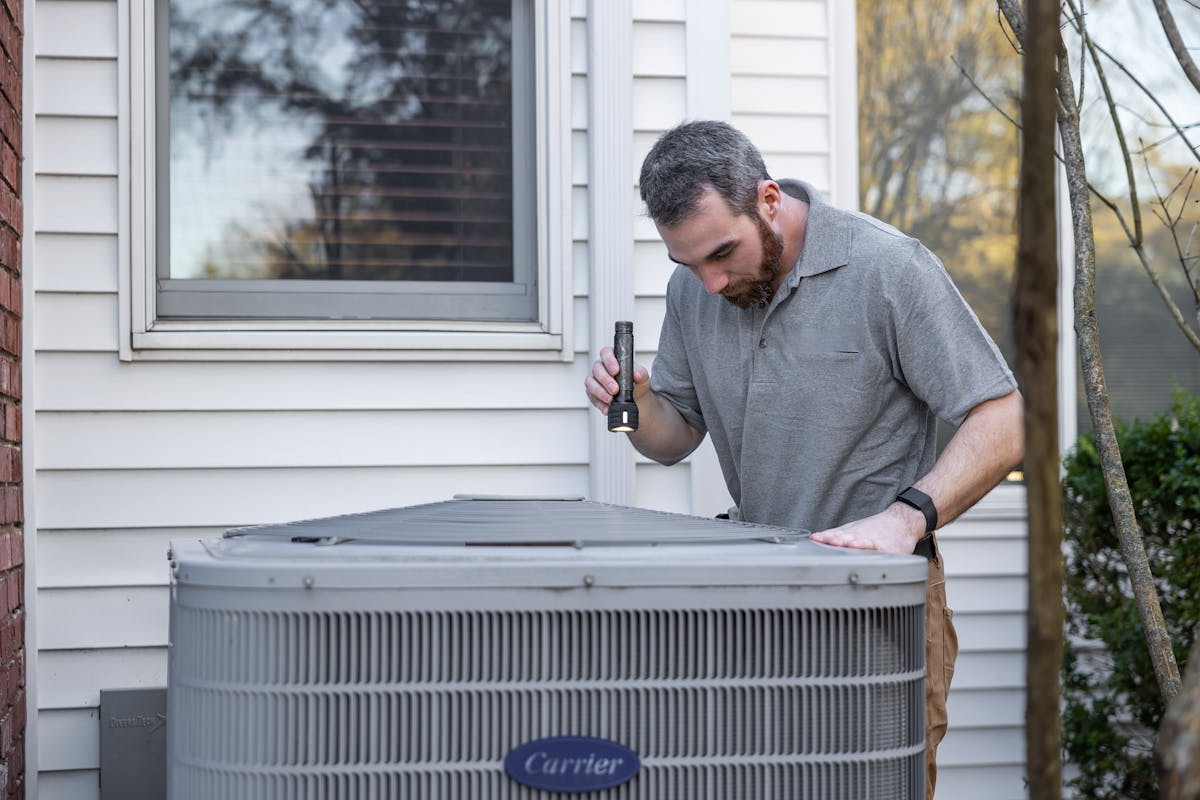
Short answer: An air conditioner that turns on and off rapidly, a condition called short cycling, usually suffers from restricted airflow, an improper refrigerant charge, a misplaced thermostat, or an oversized cooling unit. The system is either reaching its set temperature unnaturally fast or triggering an internal safety switch that shuts down the compressor to prevent major equipment damage.
Identifying short cycling and why it happens
A normal central air conditioning cycle lasts between fifteen and twenty minutes, allowing the system to lower the indoor temperature evenly while pulling humidity out of the air. When an air conditioner turns on, runs for only a few minutes, shuts off, and then turns back on shortly after, it is short cycling. This behavior causes significant mechanical stress. The highest electrical current draw occurs when the compressor starts up. When a unit starts and stops repeatedly, compressor wear increases, electrical components overheat, and monthly energy bills rise without providing consistent comfort. Short cycling also prevents proper dehumidification, leaving indoor air feeling muggy and creating conditions that encourage indoor mold growth.
Comfort short cycling versus safety short cycling
Short cycling generally falls into two distinct categories, depending on whether the system is responding to temperature readings or safety shutoffs.
Comfort short cycling
Comfort short cycling occurs when the system cools the space immediately surrounding the thermostat too quickly, satisfied that the target temperature has been reached before the rest of the home is cooled. Oversized air conditioners are a frequent cause of comfort short cycling. If the cooling capacity exceeds the heat load of the home, the unit drops the temperature rapidly and turns off before air circulates through every room. Thermostat placement can also trigger this issue. If a thermostat sits directly under a supply vent, in direct sunlight, or near a heat-generating appliance like a lamp or television, it senses rapid temperature swings that do not reflect the overall home temperature.
Safety short cycling
Safety short cycling happens when internal protection devices shut down the system to prevent mechanical destruction. In this scenario, the air conditioner may run for only thirty seconds to two minutes before shutting down, often accompanied by an audible click from the contactor switch. Common causes include high or low refrigerant pressure, a clogged condensate drain line, or a failing capacitor. When low refrigerant causes the evaporator coil to freeze, or high pressure builds up due to a dirty outdoor coil, pressure switches interrupt power to the compressor. Similarly, an attic air handler equipped with a float switch will cut power to the cooling system if water backs up in the drain pan.
Safe homeowner checks
Before calling a technician, homeowners can safely perform a few basic visual inspections without opening electrical enclosures or disassembling equipment. First, inspect the air filter. A heavily clogged air filter restricts airflow across the indoor evaporator coil, causing temperatures to drop until the coil freezes and safety controls trip the system off. Replace dirty filters with clean units of the correct size. Second, check supply registers and return vents. Ensure registers are open and unblocked by furniture, curtains, or rugs to maintain balanced system airflow. Third, inspect the outdoor condenser unit. Ensure leaves, grass clippings, and dirt have not clogged the exterior aluminum fins. Verify that shrubs or stored items maintain clear space around the unit for proper heat exchange. Fourth, examine the thermostat settings and placement. Verify that the thermostat is set to cool, that batteries are fresh, and that no nearby heat sources or cool drafts are influencing the sensor. Fifth, check the primary condensate drain line outside. If water is dripping steadily, the line is open. If water fills the emergency drain pan in the attic, the primary line is clogged, which can trip a safety float switch.
What not to touch and professional diagnostics
Certain components pose electrical and mechanical safety risks and should only be handled by a licensed professional. In Texas, air conditioning contractors must hold a license from the Texas Department of Licensing and Regulation (TDLR). Homeowners should never open electrical disconnect boxes, handle high-voltage capacitors, or touch copper refrigerant lines. Capacitors store high electrical charges even when power to the unit is turned off. Attempting to add refrigerant or adjust pressure controls without proper licensing and recovery equipment violates federal environmental regulations and can cause severe physical injury. A TDLR-licensed technician conducts diagnostic testing using specialized tools. The technician measures total external static pressure in the duct system, checks refrigerant charge using subcooling or superheat calculations, tests electrical current draw on the compressor and fan motors, and verifies control board voltage signals.
Repair options, cost drivers, and repair versus replace
Resolving short cycling depends on the underlying cause. Simple fixes include clearing a clogged condensate drain, replacing a run capacitor, or installing a fresh air filter. Complex repairs involve fixing refrigerant leaks, replacing a burned-out compressor motor, or reconfiguring restrictive ductwork. Repair costs depend on component access, system age, and labor complexity. Replacing an electrical component in an accessible outdoor unit requires less labor than clearing a secondary drain line in a tight attic space. If a leak exists, repairing the copper tubing, pressure testing the system, and recharging refrigerant increases overall expense. When evaluating whether to repair or replace a short-cycling unit, consider system age and sizing. If an air conditioner is over ten to twelve years old and uses older refrigerant, major repairs on an oversized compressor or leaking coil may not be cost-effective. Installing a properly sized, modern system corrects short cycling issues caused by improper initial sizing.
Dallas-Fort Worth climate and home considerations
The climate and housing characteristics of the Dallas-Fort Worth area create unique stress on cooling systems. Long summers with extreme heat and high humidity require air conditioners to run efficiently for extended periods. In DFW homes, air handlers and evaporator coils are often located in unconditioned attics. During peak summer heat, attic temperatures soar, placing immense thermal stress on electrical controls and condensate lines. Algae and biological growth thrive in warm attic condensate pans, quickly clogging drain lines and tripping safety float switches that shut down the system. Many fast-built North Texas subdivisions feature homes constructed with standardized HVAC system sizes across an entire neighborhood. If a builder installs a four-ton unit on a home without accounting for window orientation or shading, the system may be grossly oversized, leading to severe comfort short cycling and sticky indoor humidity. Severe weather also plays a role in local system performance. Hail storms common to North Texas can crush the delicate aluminum fins on outdoor condenser coils, restricting airflow and triggering high-pressure safety cutouts. Furthermore, settling in regional expansive clay soil can shift outdoor concrete equipment pads, placing tension on copper refrigerant lines and causing leaks over time.
Common questions
Is short cycling dangerous for my air conditioner?
Yes. Short cycling causes severe mechanical stress on the compressor and electrical components due to frequent high-current start-ups. It reduces equipment lifespan, increases utility bills, and prevents effective indoor humidity control.
Can a dirty air filter cause my AC to short cycle?
Yes. A dirty air filter starves the system of airflow, causing the evaporator coil to drop below freezing. As ice builds up, pressure switches or thermal safety controls shut the system down until the ice partially thaws, creating a repeating start-and-stop cycle.
How long should a normal cooling cycle last?
A properly operating and correctly sized air conditioner typically runs for fifteen to twenty minutes per cycle during moderate and warm weather. On peak summer days, systems may run continuously for longer stretches to maintain the set temperature.
Should I replace my system if it is oversized?
If an oversized unit causes severe short cycling, poor humidity control, and high energy bills, replacement with a properly load-calculated system is often the best long-term solution. A technician can perform a heat load calculation to determine correct sizing.