
Why Is My AC Blowing Warm Air?
Short answer: An air conditioner blowing warm air usually means the indoor blower motor is moving air through the home, but the cooling system is unable to extract heat. This...
By Everyday Home Advice Editorial Team
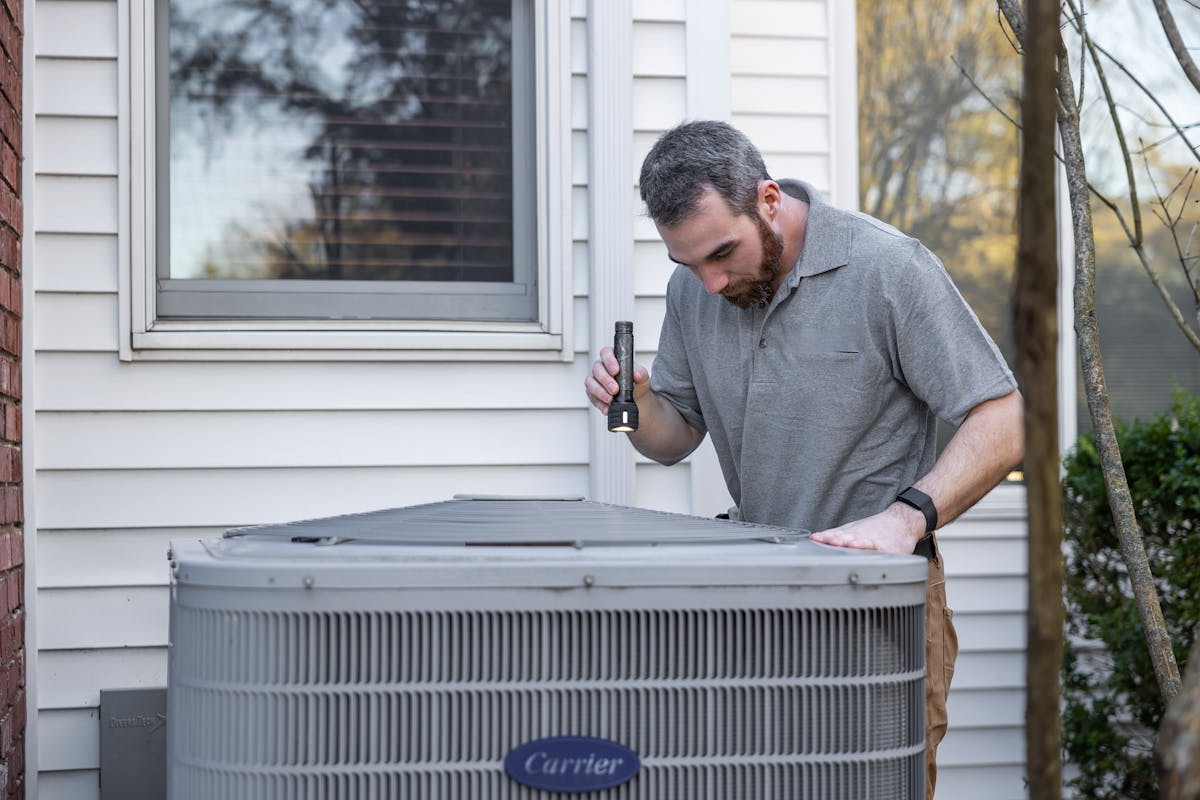
Short answer: An air conditioner blowing warm air usually means the indoor blower motor is moving air through the home, but the cooling system is unable to extract heat. This condition is often caused by incorrect thermostat settings, restricted airflow from a clogged filter, frozen evaporator coils, a tripped condensate float switch, or electrical failure at the outdoor condenser unit such as a failed run capacitor or compressor.
Identifying symptoms and understanding causes
When an air conditioner blows warm air, observing system behavior narrows down the cause:
- Indoor fan runs while outdoor unit is silent: Indicates electrical power issues at the condenser, a tripped breaker, a failed run capacitor, or a tripped safety float switch in the condensate drain pan.
- Airflow is weak and room temperature rises: Points to restricted airflow from a heavily soiled air filter, severe duct leakage in unconditioned spaces, or a frozen evaporator coil choking off air movement.
- System runs constantly without dropping room temperature: Often caused by low refrigerant levels, dirty outdoor condenser coils that cannot shed heat, or a worn compressor that can no longer pressurize refrigerant effectively.
- Thermostat fan set to ON instead of AUTO: Causes the indoor fan to run continuously even when the outdoor cooling equipment cycles off, blowing unconditioned air back through room vents.
Safe homeowner checks before calling a technician
Homeowners can safely perform several initial checks to troubleshoot warm supply air:
- Check thermostat settings: Confirm the system switch is set to COOL and the fan switch is on AUTO. Set the target temperature three degrees below current room temperature to trigger a cooling cycle.
- Inspect the return air filter: Slide out the air filter and replace it if dust and debris obstruct the filter media. Restricting airflow causes indoor evaporator coils to freeze, blocking heat absorption.
- Examine the indoor condensate drain pan: Locate the indoor air handler and check the drain pan beneath it. If standing water fills the secondary drain pan, the safety float switch has likely tripped, shutting off power to the outdoor compressor to prevent ceiling damage.
- Inspect the outdoor condenser cabinet: Check whether the outdoor fan blade is spinning when the thermostat calls for cooling. Ensure leaves, grass clippings, or yard debris do not block the cabinet sides.
- Check the electrical panel: Inspect circuit breakers for both the indoor air handler and outdoor condenser. Reset a tripped breaker once. If it trips a second time, leave it off and schedule professional service.
DFW climate and installation factors
Residential cooling systems in Dallas-Fort Worth face unique operational demands due to local building practices and severe weather patterns:
- Attic air handler placement: Most local homes house the indoor air handler and duct network inside the attic space. During summer months, attic temperatures climb dramatically. If flexible ductwork develops tears, loose collar connections, or fallen insulation wrap, the blower pulls superheated attic air directly into room supply vents.
- High condensate production: Humid spring and summer weather forces systems to extract substantial moisture from indoor air daily. Hard water minerals and algae growth quickly obstruct condensate drain lines, triggering float switches that shut down the cooling cycle.
- Extreme thermal stress on electrical components: Extended summer heatwaves force air conditioners to run for long, continuous stretches. Elevated operating temperatures inside outdoor electrical enclosures degrade capacitors and contactor relays far faster than in milder climates.
- Severe weather damage: High winds and spring hail storms dent aluminum fins on outdoor condenser coils. Compressed fins reduce surface area for heat exchange, causing system operating pressures and supply temperatures to rise.
What not to touch and electrical hazards
Certain air conditioning components store high electrical charges or operate under high refrigerant pressures, presenting severe safety risks:
- High-voltage electrical enclosures: Dual-run capacitors retain hazardous electrical charges even after main power switches are turned off. Opening cabinet panels on the outdoor unit exposes homeowners to dangerous line voltage.
- Refrigerant lines and valves: Piercing copper lines, loosening service valves, or attempting to add retail refrigerants damages system seals and introduces atmospheric contaminants. Refrigerant handling requires specialized recovery equipment.
- Texas licensing requirements: Electrical wiring repairs, compressor replacements, and refrigerant servicing must be handled by qualified professionals. The Texas Department of Licensing and Regulation (TDLR) licenses Air Conditioning and Refrigeration Contractors to ensure compliance with technical safety codes.
Professional diagnostics, repairs, and cost drivers
When simple homeowner checks do not resolve the issue, a licensed technician performs comprehensive diagnostics:
- Testing electrical components: Technicians measure voltage, microfarad output on capacitors, and electrical draw on fan motors and compressors to identify failed parts.
- Checking refrigerant pressures and airflow: Using pressure gauges and airflow meters, technicians assess superheat and subcooling levels to pinpoint refrigerant leaks or internal restriction points.
- Repair versus replacement choices: Replacing a minor electrical component, such as a contactor or run capacitor, is straightforward. However, if an older system using obsolete refrigerant suffers a major compressor failure or extensive evaporator coil leakage, complete system replacement often provides better long-term reliability and operating efficiency.
- Key cost drivers: Repair expenses depend on component accessibility in tight attic spaces, the specific type and volume of refrigerant required, specialized diagnostic labor time, and whether replacement parts carry active manufacturer warranties.
Preventative maintenance for cooling systems
Proactive maintenance prevents unexpected system shutdowns during peak cooling months:
- Regular filter changes: Replace return air filters according to manufacturer guidelines, increasing frequency during periods of constant summer operation.
- Drain line maintenance: Pour vinegar down indoor condensate drain line cleanout tees periodically to prevent algae build-up and float switch shutdowns.
- Outdoor cabinet clearance: Maintain a clear boundary around the outdoor condenser unit by clearing away vegetation, weeds, and stored outdoor items.
- Pre-season professional tune-ups: Schedule annual spring inspection services before extreme heat arrives. Technicians clean coils, verify electrical connections, flush condensate systems, and confirm correct refrigerant charges.
Common questions
Why is my AC blowing warm air only during the afternoon?
This often occurs when air filters are partially restricted, outdoor coils are dirty, or ductwork in an unconditioned attic absorbs excessive ambient heat. It can also indicate an undersized system or low refrigerant charge that cannot keep pace with peak outdoor heat loads.
Can a dirty air filter cause my AC to blow warm air?
Yes. A heavily clogged filter chokes airflow across the indoor evaporator coil. Without sufficient air passing over the coil, the coil surface drops below freezing, ice forms, and airflow stops, leaving the system blowing warm air.
Why is the indoor fan blowing air when the outdoor unit is off?
If your thermostat fan is set to ON, the indoor blower runs continuously even when the outdoor compressor shuts off. The outdoor unit may also shut off due to a tripped breaker, a failed capacitor, or a tripped condensate safety float switch while the indoor fan continues running.
What should I do if I see ice on the copper refrigerant lines?
Turn the air conditioner off immediately at the thermostat and switch the fan setting to ON to help thaw the ice. Running a frozen system can cause catastrophic damage to the compressor. Contact a licensed technician to locate the underlying airflow restriction or refrigerant leak.