
North Texas Home Maintenance Guide: A Year of Checks
Short answer: Effective home maintenance in the Dallas-Fort Worth area requires aligning checks with regional climate extremes and local building standards. High summer heat,...
By Everyday Home Advice Editorial Team
Short answer: Effective home maintenance in the Dallas-Fort Worth area requires aligning checks with regional climate extremes and local building standards. High summer heat, heavy spring hail, rapid winter freezes, and expansive clay soil place severe demands on structural and mechanical systems. Following a structured seasonal routine helps catch leaking seals, blocked condensate lines, and soil drainage issues before they cause costly property damage.
Seasonal breakdown for DFW homes
A DFW home experiences distinct environmental pressures throughout the year. Spring brings severe thunderstorms and hail that test roof coverings, gutter systems, and lot drainage. Summer delivers extended periods of extreme heat that force attic air handlers and air conditioning systems to run continuously. Fall provides moderate weather to seal exterior penetrations, repaint trim, and inspect heating equipment. Winter introduces brief but hard freeze events that threaten exposed outdoor faucets and unconditioned attic plumbing. Dividing tasks into distinct seasonal windows prevents maintenance backlog and ensures key home systems are evaluated before extreme weather arrives. Monthly checks focus on system filters and visual leak inspections, while quarterly and annual reviews cover mechanical testing, roof condition, and soil moisture balance around the slab foundation.
Spring checks: Roofs, gutters, and soil drainage
Spring weather brings sudden rainfall and hail that expose weaknesses in roof coverings and exterior drainage systems. Homeowners should visually inspect shingle surfaces from the ground using binoculars, looking for missing shingles, cracked flashing, or impact marks from hail. Gutters and downspouts must remain clear of leaves and debris to direct water away from the structure. Expansive clay soil swells when saturated and shrinks when dry. Allowing heavy water accumulation near a concrete slab foundation creates localized soil expansion, which can push against the slab and cause differential foundation movement or interior wall cracking. Safe homeowner checks include:
- Walking the perimeter after heavy rain to check for standing water near the slab foundation.
- Verifying downspouts extend away from the foundation or discharge cleanly into underground drainage pipes.
- Inspecting gutter seams and fascia boards for sagging or water separation.
Avoid walking on steep roofs or attempting high-altitude repairs. Roof inspections requiring pitch climbing should be handled by professional contractors. When gutters clog or hail damages shingles, localized repairs like patching damaged sections or adding downspout extensions are effective. However, widespread hail impact often requires a full roof replacement. Cost drivers for spring repairs include roof pitch, material quality, house height, and accessibility.
Summer checks: HVAC efficiency and attic air handlers
During DFW summers, attic temperatures can exceed ambient outdoor temperatures by a wide margin. Homes in the region often locate air handlers and ductwork inside the attic space, placing high operational stress on cooling systems. Filter maintenance is critical during these months. Inspect filters monthly during peak summer and replace them as soon as dust collects. Clogged filters restrict airflow, causing evaporator coils to freeze and forcing the compressor to run continuously. Safe homeowner checks include:
- Flushing the primary A/C condensate drain line with white vinegar to prevent algae buildup.
- Verifying the secondary condensate drain line that discharges above a window is dry, as dripping water indicates a clogged primary line.
- Clearing grass, weeds, and debris from around the outdoor condenser unit.
Do not open electrical control panels or attempt to service refrigerant lines. Air conditioning contractors in Texas must be licensed through the Texas Department of Licensing and Regulation (TDLR). A licensed technician tests electrical draw, refrigerant pressure, and temperature differentials. Repairs involve clearing blocked drain lines, replacing capacitors, or sealing duct leaks. Replacement becomes necessary when equipment reaches the end of its operational lifespan or suffers compressor failure. Cost drivers include system capacity, efficiency ratings, and ductwork modifications.
Fall checks: Exterior seals and furnace preparation
Fall offers mild weather, making it the ideal season to prepare exterior seals and heating systems for winter. High summer UV exposure and extreme temperature swings degrade exterior caulk, paint, and rubber pipe boots faster than in cooler regions. Homeowners should inspect seals around window frames, exterior door trim, siding joints, and plumbing penetrations. Gaps in sealant allow water intrusion during driving rains and permit cold air or pests to enter the home. Safe homeowner checks include:
- Replacing cracked sealant with high-grade exterior caulk designed for thermal expansion.
- Cleaning gas furnace burner compartments and replacing air filters before turning on the heating system.
- Testing smoke detectors and carbon monoxide alarms throughout the living area.
Do not attempt to modify gas supply lines or service gas burner assemblies directly. Gas line work requires a plumber licensed through TDLR, while electrical or combustion issues require a TDLR-licensed HVAC contractor. Technicians check heat exchangers for cracks, measure gas pressure, and verify flue ventilation. Repair options include replacing worn ignition controls or repairing venting, whereas cracked heat exchangers require full unit replacement. Costs depend on equipment accessibility and furnace design.
Winter checks: Freeze protection and pipe safety
Winter in North Texas can bring sudden sub-freezing temperatures that threaten home plumbing. Because many local homes are constructed on slab foundations, water supply lines are frequently routed through unconditioned attic spaces or exterior framing where cold air penetrates. Before the first hard freeze arrives, locate the main water shutoff valve and verify it operates smoothly. Disconnect and drain all outdoor garden hoses, then cover exterior faucets with insulated foam covers. Safe homeowner checks include:
- Inspecting pipe insulation around exposed water lines in the attic and crawl space.
- Wrapping exposed exterior hose bibbs and isolating outdoor irrigation lines.
- Opening cabinet doors under sinks along exterior walls during severe freeze warnings to allow warm room air to circulate around pipes.
Never use open flames or high-heat devices to thaw frozen pipes. Major plumbing repairs, backflow assembly testing, and gas pipe servicing must be performed by a plumber licensed through TDLR. If a pipe bursts, immediately turn off the main water shutoff valve to limit interior damage. Replacing damaged pipe sections and adding proper foam insulation restores safety. Cost drivers include pipe accessibility, damage extent, and emergency service scheduling.
Repair versus replacement and cost factors
Deciding whether to repair or replace home components depends on equipment age, extent of damage, and recurring maintenance demands. Minor roof leaks, isolated pipe corrosion, or minor sealant cracking are straightforward repairs. Conversely, aging air conditioning units or roofs with widespread hail damage warrant complete replacement. Key factors that drive repair and replacement costs in DFW include:
- Accessibility, such as steep roof pitches or tight attic spaces housing air handlers.
- Material selection, including impact-resistant shingles or heavy-gauge piping materials.
- Specialized trade licensing requirements, as electrical, plumbing, HVAC, and mold remediation work must be completed by TDLR-licensed contractors, whereas general contractors are not licensed statewide.
- Water quality, as hard water accelerates scale buildup in water heaters and fixtures, altering replacement timelines.
Common questions
How often should I water my slab foundation?
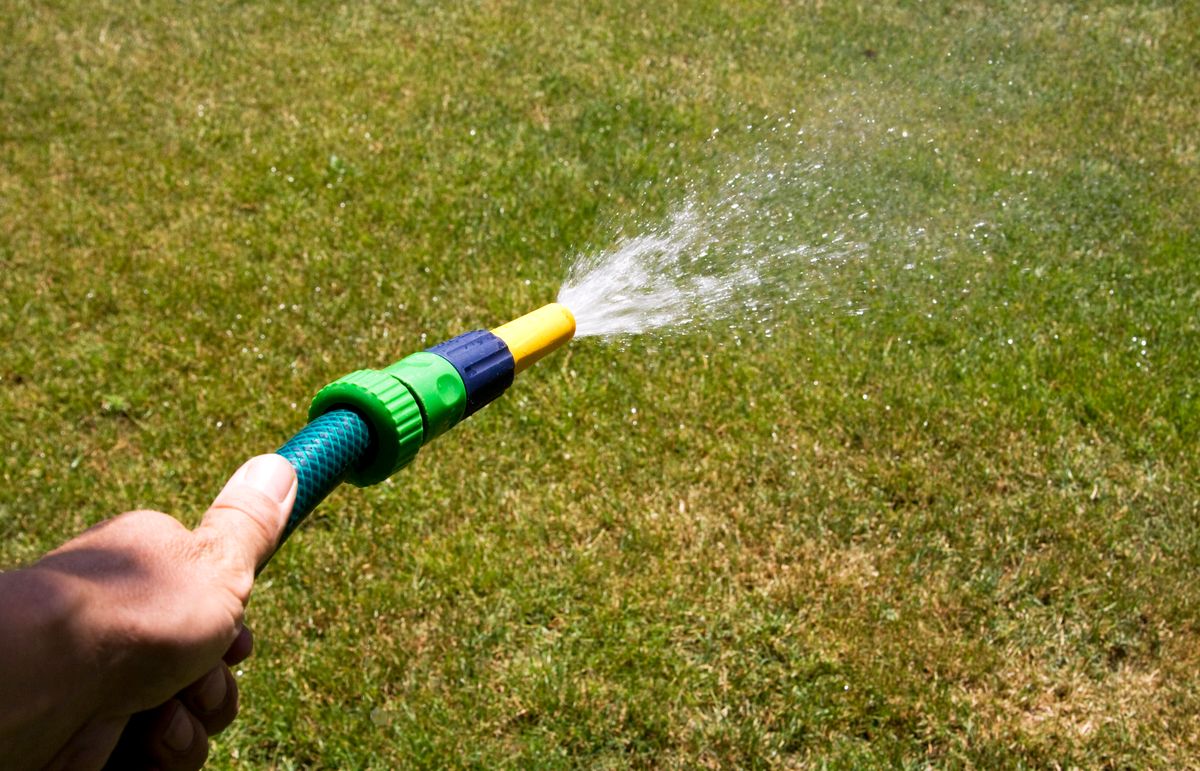
Foundation watering depends on weather conditions and soil moisture. During dry summer periods, run a drip hose placed a couple of feet from the foundation perimeter to maintain stable soil moisture and prevent expansive clay from shrinking away from the concrete slab.
Why does my A/C condensate line drain above a window?
A drain pipe discharging above a window or patio serves as the secondary overflow line. Dripping water indicates that the primary condensate drain line is clogged and requires immediate cleaning to prevent attic water damage.
Are general contractors licensed in Texas?
No, general contractors are not licensed at the state level in Texas. However, specialized trades including electricians, plumbers, air conditioning contractors, and mold remediation contractors are licensed through the Texas Department of Licensing and Regulation (TDLR).
How do I protect attic plumbing during a hard freeze?
Ensure all water lines running through unconditioned attic spaces are fully fitted with foam pipe insulation. During severe freeze events, keep the home heating system running and allow faucets connected to exposed pipes to drip slowly.