
North Texas Spring Home Maintenance Checklist
Short answer: Spring home maintenance in the Dallas-Fort Worth area requires inspecting exterior surfaces for winter freeze damage, cleaning gutters and downspouts, tuning up...
By Everyday Home Advice Editorial Team
Short answer: Spring home maintenance in the Dallas-Fort Worth area requires inspecting exterior surfaces for winter freeze damage, cleaning gutters and downspouts, tuning up cooling equipment before hot weather arrives, managing perimeter soil against expansive clay movement, and sealing pest entry points before severe spring weather begins.
Roof and exterior storm preparation
Spring brings heavy rainfall, strong winds, and hail across the metroplex. Preparing your home starts with a ground-level visual inspection of the roof, soffits, and exterior trim. Look for missing, cracked, or lifted shingles, as well as damaged roof flashing around chimneys, plumbing vents, and roof valleys. Hail impacts and high wind lift shingle edges, allowing water to enter the decking beneath. Photodocument the entire exterior of your house, including the roof, siding, and fence panels, before spring storm season arrives. Clear overhanging tree branches to prevent wind-driven limbs from scraping shingles or falling on the roof structure. Inspect downspouts to confirm they direct runoff at least three feet away from your slab foundation. Gutters must be clear of leaf debris and pitched correctly so heavy rainwater drains freely rather than overflowing along fascia boards.
Cooling system spring commissioning
Air conditioning systems work heavily from late spring through early autumn. Because evaporator coils and air handlers are frequently installed in hot attic spaces, proper maintenance prevents sudden breakdowns and costly indoor water damage. Start by replacing indoor air filters with properly fitted units. Clean return air grilles so airflow remains unobstructed. Outside, inspect the condenser unit and clear away leaves, grass clippings, and accumulated dirt, keeping at least two feet of open clearance around the metal cabinet. Pour a cup of white vinegar down the indoor condensate drain line access port to break up algae growth. What not to touch: Do not open electrical panels, touch capacitors, or tamper with copper refrigerant lines. A technician licensed through the Texas Department of Licensing and Regulation (TDLR) should test refrigerant pressures, measure electrical current draw on motors, inspect contactor points, and verify that primary and secondary condensate drain float switches function correctly.
Foundation care and expansive clay soil management
Concrete slab foundations react directly to moisture changes in the surrounding soil. The region contains expansive clay soil that expands when saturated by spring rain and contracts as warm weather dries the ground. Uneven soil expansion creates stress on the slab, leading to interior drywall cracks, sticking doors, and foundation movement. Walk the perimeter of your home to inspect the soil line. Soil must slope away from the foundation at a minimum rate of six inches over the first ten feet. Keep the top of the soil at least four inches below the bottom of brick veneer or siding to maintain a clear visual inspection zone for termite tubes and to prevent moisture penetration behind wall cladding. If soil has washed away, add clean soil to reestablish proper drainage pitch.
Irrigation system and exterior drainage checks
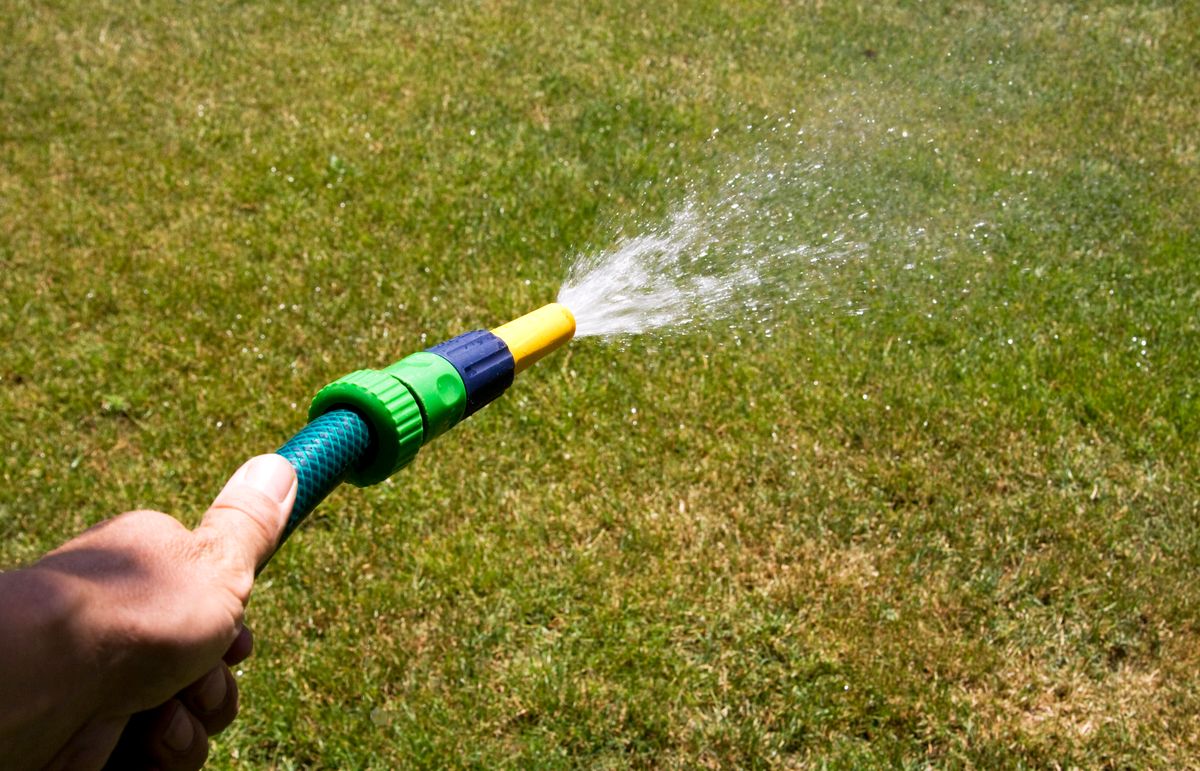
Winter freezes can crack sprinkler pipe fittings, split backflow preventers, and damage spray nozzles. Commission your lawn irrigation system in early spring by turning the main irrigation valve on slowly to prevent water hammer. Run each zone manually to observe system operation. Look for sunken heads, cracked spray nozzles, leaks under the turf, and heads that spray directly onto brick walls, windows, or wooden fences. Adjust spray patterns so water reaches lawn and landscaping beds without saturating your foundation. Walk the yard after a rainstorm to identify low spots where standing water collects near the house. Water that pools against the slab should be directed away using surface swales, catch basins, or underground drain pipes.
Pest entry prevention and envelope sealing
As ambient temperatures rise in spring, subterranean termites begin swarming, and insects seek entry points into air-conditioned spaces. Inspect exposed concrete foundation walls for mud tubes, which termites build to travel from soil to exterior wood framing. Check caulking around window frames, door casings, exterior light fixtures, and utility wall penetrations. Remove old, cracked sealant with a putty knife and apply fresh exterior-grade sealant to block moisture and pests. Inspect door sweeps on exterior doors and the bottom seal on garage doors, replacing worn components that show daylight. Ensure soffit vents and attic gable vents retain intact mesh screens to keep rodents, squirrels, and wasps out of attic spaces.
Safety checks and contractor licensing rules
Inspect safety equipment inside the home before peak storm season. Test all smoke detectors and carbon monoxide alarms, replacing batteries as needed. Test ground fault circuit interrupter outlets in kitchens, bathrooms, garages, and exterior walls to confirm they trip and reset properly. When major repairs or technical evaluations are required, understand Texas trade licensing rules. Air conditioning contractors, plumbers, electricians, and mold remediation contractors are licensed statewide through the Texas Department of Licensing and Regulation. General contractors who handle roofing, siding, and general framing do not hold a state-issued license. Always verify TDLR licenses for specialized trades, verify insurance coverage, and request written scope-of-work documents before hiring contractors for spring home repairs.
Common questions
How far should water discharge away from a concrete slab foundation?
Downspouts and sump pump discharge lines should carry water at least three to five feet away from the slab edge. Directing water further into the yard allows expansive clay soil around the perimeter to maintain uniform moisture levels rather than absorbing concentrated runoff.
What causes an air conditioner attic secondary drain pan to fill with water?
A secondary drain pan fills when the primary condensate drain line becomes clogged with algae, mold, or sediment. When the primary line blocks, condensate backs up and overflows into the secondary pan under the attic unit, triggering a float switch that shuts down the system.
When should exterior caulking be replaced?
Replace exterior caulking whenever it appears dry, cracked, pulled away from building materials, or missing. Inspect sealant joints every spring around windows, exterior doors, material transitions, and plumbing wall penetrations to prevent rain intrusion.
How do I recognize subterranean termite activity around my home foundation?
Look for thin, pencil-sized mud tubes built along the exposed concrete slab between the ground and the lower edge of siding or brick. You may also notice discarded insect wings near windowsills, door frames, or foundation walls during spring swarming periods.