
Plumbing Help in Fort Worth: Common Problems & What to Do Next
Short answer: Plumbing issues in Fort Worth range from localized faucet drips and mineral scale buildup to severe slab leaks caused by shifting clay soils. Immediate action...
By Everyday Home Advice Editorial Team
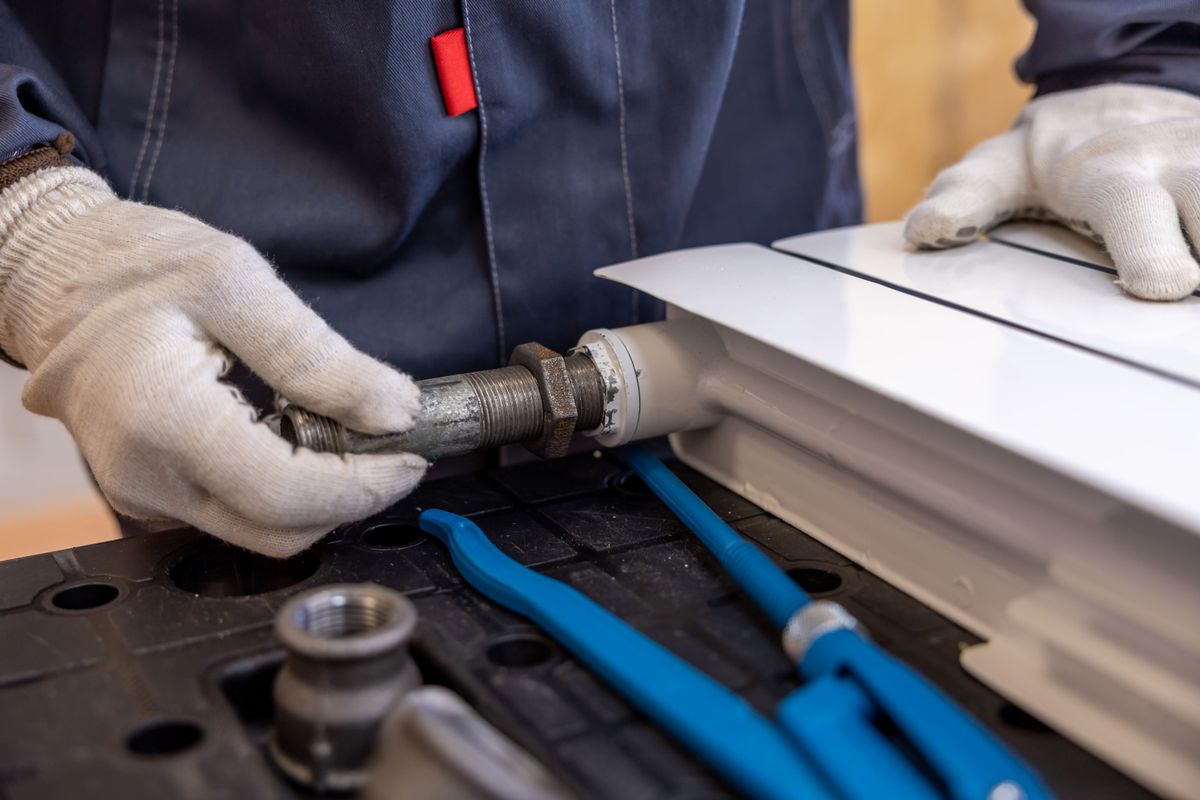
Short answer: Plumbing issues in Fort Worth range from localized faucet drips and mineral scale buildup to severe slab leaks caused by shifting clay soils. Immediate action requires locating the main water shutoff valve, evaluating whether the problem affects single or multiple fixtures, and contacting a licensed professional when lines run beneath concrete foundations or inside wall cavities.
Identifying Common Plumbing Symptoms in Fort Worth
A plumbing issue usually presents through clear physical signals long before total pipe failure occurs. Early recognition allows homeowners to address localized problems before structural surface damage or severe contamination happens.
- Sudden drops in water pressure across the entire house signal main line restrictions, municipal supply drops, or hidden leaks beneath the foundation.
- Isolated pressure drops at a single fixture point to aerator clogging or localized supply valve corrosion.
- Persistent sewer odors near drains or in the yard point to cracked drain-waste-vent lines or main sewer lateral blockages.
- Unexplained hot spots on concrete slab floors or continuous running water sounds near walls indicate underslab hot or cold supply line breaches.
- Ceiling water spots beneath bathrooms or attic mechanical spaces signal drain leaks, leaking supply lines, or overflow pan failures.
Water Pressure Dropping and Dripping Faucets
Mineral deposits present in municipal water can collect inside faucet aerators, showerheads, and appliance intake screens over time. This mineral accumulation restricts flow at individual outlets without affecting the overall plumbing system. When pressure drops throughout the entire home simultaneously, the main pressure-reducing valve may have failed, or a primary supply pipe could be leaking underground. Dripping faucets often result from worn O-rings, degraded rubber washers, or damaged ceramic cartridges inside the valve body. Leaving a dripping faucet unaddressed wastes significant volumes of water and can wear down the valve seat, turning a simple washer replacement into a full fixture replacement.
Drain Backups and Slab Leak Indicators
Drain clogs in localized lines usually stem from hair, soap scum, grease, or foreign debris inside the p-trap assembly. However, widespread slow drains or sewer backup into ground-floor tubs and toilets signal a blockage in the main drain line. Tree root intrusion into buried sewer pipes is a frequent cause of main sewer line backup. Slab leaks happen when supply pipes running under or through concrete foundations develop breaches. Soil movement stresses these buried copper or PEX pipes, causing friction wear against concrete or fitting separation. Key indicators include localized warm spots on tile or carpet, damp baseboards, unexplained spikes in water bills, or the sound of running water when all taps are closed.
Dallas-Fort Worth Environmental and Structural Factors
Fort Worth homes face unique plumbing challenges tied to local geology, building techniques, and regional weather patterns.
Expansive Clay Soil and Slab Foundations
Expansive clay soils swell when saturated with rain and shrink during long dry periods. Soil movement shifts concrete slab foundations, placing severe shear stress on buried supply lines and rigid drain pipes underneath.
Hard Water and Mineral Scale
Hard water in North Texas contains elevated levels of calcium and magnesium. Mineral scale accumulates inside water heaters, reducing heating efficiency and causing premature tank corrosion. Scale also narrows supply pipes, reduces fixture flow, and damages internal valve seals.
Attic Equipment and Winter Freezes
Many Dallas-Fort Worth homes feature water heaters, expansion tanks, and supply lines installed in unconditioned attic spaces or garages. Exceptional winter freeze events can freeze uninsulated pipes in attics or exterior walls, leading to pipe bursts when the ice thaws. Attic water heater leaks can cause sudden ceiling collapses if pan drains become blocked.
Safe Checks, What Not to Touch, and Professional Testing
Homeowners can safely perform basic visual checks and minor maintenance without special tools.
Safe Homeowner Checks
- Clean mineral deposits from removable faucet aerators using vinegar solutions.
- Visually inspect exposed supply lines under sinks and behind toilets for green oxidation, rust, or moisture.
- Check water heater pan drains and external expansion tanks for visible corrosion or standing water.
- Locate and test the main water shutoff valve outside or near the water meter box.
What Not to Touch
- Do not attempt to open, repair, or bypass main gas supply lines or gas water heater control valves.
- Avoid using chemical drain openers on completely blocked drains, as trapped caustic chemicals can damage pipes and injure plumbers during mechanical snaking.
- Never attempt to excavate beneath a concrete slab or break through foundation concrete to access leaking pipes without professional structural and plumbing assessment.
- Do not touch plumbing lines that are in direct contact with exposed electrical wiring.
Professional Diagnostic Testing
Licensed plumbers use specialized equipment to pinpoint hidden issues:
- Hydrostatic pressure testing isolates supply or drain systems to verify airtight and watertight integrity.
- Electronic leak detection and acoustic listening devices trace underslab line breaks without unnecessary demolition.
- Sewer video camera inspections identify tree root intrusions, bellies, or pipe collapses within main sewer lines.
Repair Options, Replacements, and Cost Factors
Addressing plumbing issues involves evaluating whether spot repairs or system updates make the most economic sense.
Spot Repair versus Full Replacement
Isolated fixture drips, accessible trap clogs, and minor valve leaks are easily resolved through spot repairs or cartridge replacements. However, older galvanized steel supply pipes or corroded copper lines beneath slabs often require partial pipe rerouting or complete home repiping using PEX tubing. Water heaters past their expected service life that exhibit tank corrosion or tank leakage require full replacement rather than component repairs.
What Drives Plumbing Costs
- Accessibility: Leaks located inside walls, under slab foundations, or inside tight attic spaces require significantly more labor and specialized access techniques than exposed plumbing under a sink.
- Materials: High-grade materials like copper, cast iron, and modern ceramic valving carry higher material expenses than basic plastic fittings.
- Scope of Work: Broad main line replacements, trenchless sewer lining, or whole-house repiping involve extensive equipment, labor, and site restoration.
- Licensing and Permits: In Texas, plumbers are licensed through the Texas Department of Licensing and Regulation (TDLR). Complex repairs, water heater replacements, and structural line modifications require municipal permits and official inspections, which influence overall project costs. General contractors, by contrast, are not licensed at the state level.
Common questions
How do I stop an active water leak in my home?
Locate the immediate shutoff valve behind the leaking fixture and turn it clockwise until fully closed. If the individual valve is missing or frozen, turn off the main water valve located where the main line enters the home or at the water meter box in the yard.
Why does my water heater make popping or rumbling noises?
Rumbling noises indicate mineral scale buildup at the bottom of the water heater tank. As water becomes trapped beneath the hardened sediment layer and boils, steam bubbles burst through the scale, producing popping sounds. Flushing the tank regularly removes sediment accumulation.
What causes warm spots on my slab floor?
A warm spot on a concrete floor typically indicates a leaking hot water supply pipe buried beneath or within the slab foundation. Escaping hot water warms the surrounding concrete and flooring material.
When should I call a licensed plumber?
Call a licensed plumber immediately if you suspect an underslab leak, experience repeated main sewer line backups, notice water leaking from attic water heaters, or smell natural gas near gas-fired water heaters.