
What Are the Signs of Termites?
Short answer: Early signs of termites include pencil-sized mud tubes on foundation walls, discarded insect wings near windows or doors, hollow-sounding wood trim, fine pellet...
By Everyday Home Advice Editorial Team
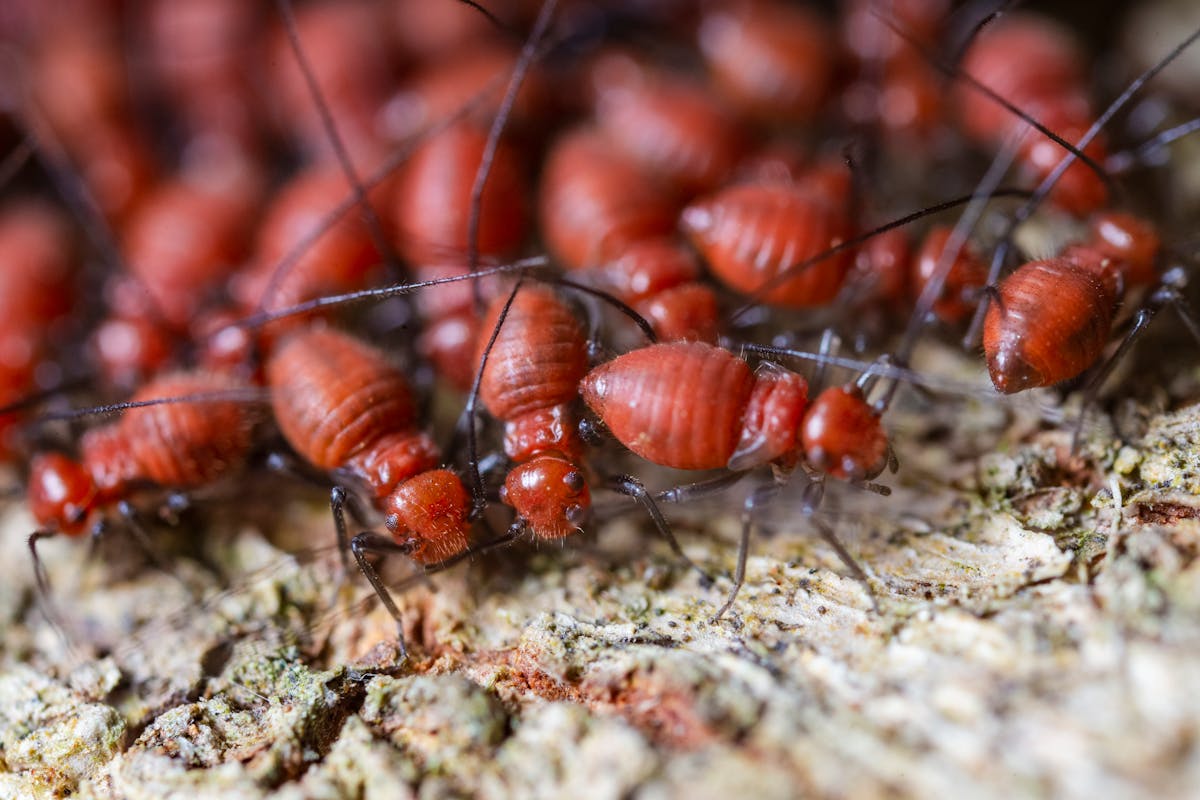
Short answer: Early signs of termites include pencil-sized mud tubes on foundation walls, discarded insect wings near windows or doors, hollow-sounding wood trim, fine pellet debris, and swarming winged insects indoors. Because subterranean species feed on structural cellulose from the inside out, discovering any single sign warrants a professional inspection to determine the scope of infestation before structural framing is compromised.
Visible Physical Indicators of Termite Activity
Termite infestations often remain hidden inside structural wood, wall cavities, and subflooring until colonies expand. Recognizing physical indicators early helps prevent extensive structural repairs. Mud tubes: Pencil-width tunnels composed of soil, wood particles, and saliva. Subterranean termites construct these sheltered tubes across concrete foundations, slab edges, piers, and plumbing penetrations to transport moisture and protect workers from open air. Shed wings: Swarming reproductive termites cast off their wings after mating flights. You may find clusters of small, uniform, translucent wings piled on window sills, door frames, baseboards, or near outdoor light fixtures. Damaged or hollow wood: Wood that sounds thin, papery, or hollow when tapped with a screwdriver handle indicates internal feeding. Subterranean termites consume wood along the grain, leaving soft earlywood galleries filled with mud debris. Drywall and paint changes: Discolored drywall, blistering paint, or tiny pinpoint holes in sheetrock can indicate termites tunneling directly beneath paper backings. Dampness brought in by termite activity can cause paint to bubble or peel, mimicking water damage. * Frass or wood pellets: Drywood termites kick out small, hard, hexagonal droppings called frass from exit holes. These pellets accumulate in tiny piles beneath damaged trim, window frames, or attic rafters.
Termites Versus Flying Ants
Homeowners frequently confuse winged termite swarmers with flying ants. Distinguishing between them ensures you take the correct remediation steps. Termites possess a broad, uniform waist with no distinct pinch, straight bead-like antennae, and four wings of equal size and shape that fold flat over the body. Flying ants feature a pinched waist dividing the body segments, elbowed antennae that bend sharply, and front wings that are noticeably longer than their rear wings. Subterranean termites require constant soil contact or a consistent interior moisture source to survive. Drywood termites live entirely inside dry timber and do not require ground contact, though subterranean termites remain the primary structural threat to regional housing stock.
Structural Severity and Potential Risks
Termites pose a significant structural risk because they continuously consume cellulose within load-bearing members, such as wall studs, floor joists, sill plates, and roof rafters. Left unchecked, subterranean colonies carve out extensive gallery networks through framing timbers. This internal feeding weakens the load-bearing integrity of floor assemblies and exterior walls. Over time, floorboards sag, door frames shift out of square, and wall studs lose their structural load capacity. Because subterranean species enter unseen through underground entry points or slab cracks, hidden infestations can cause substantial structural damage long before visible indicators appear on interior wall surfaces.
Safe Homeowner Checks and Action Steps
Regular homeowner inspections allow you to catch termite activity along vulnerable perimeter paths without disturbing active feeding grounds. Check foundation perimeter: Walk the entire exterior perimeter to look for mud tubes bridging the concrete foundation beam between the soil line and the bottom edge of siding or brick ledge. Inspect weep holes and pipe penetrations: Examine open brick weep holes and exterior plumbing penetration collars where utility lines enter the slab. Check bath traps and utility cutouts: Look inside plumbing access panels beneath tubs and shower enclosures where raw soil or sub-slab plumbing cutouts remain exposed. Avoid disturbing active tubes or spraying insecticides: Do not break open active mud tubes or spray over-the-counter liquid insecticides directly onto swarming sites. Disturbance causes termites to abandon the immediate area and relocate deeper into wall cavities, making professional detection and targeted barrier placement far more difficult.
Professional Inspection and Remediation Options
In Texas, pest control operators are licensed through the Texas Department of Agriculture Structural Pest Control Service. A licensed applicator conducts a comprehensive inspection using moisture meters, thermal imaging, and sounding tools to map active gallery pathways and locate colony access points. Liquid soil barriers: Technicians trench and treat the soil around the exterior foundation perimeter, injecting termiticide into the ground to create a continuous chemical barrier that worker termites pass through and transfer to the central nest. Baiting systems: Cylindrical stations containing cellulose bait treated with a slow-acting insect growth regulator are installed around the property perimeter. Foraging termites carry the active ingredient back to the colony, eliminating the nest over time. * Wood repair versus replacement: Non-structural wood trim or minor localized damage can be reinforced or filled with specialized epoxy consolidants. Severely weakened load-bearing studs, floor joists, or sill plates must be mechanically shored and structurally replaced by a framing professional.
Cost Factors in Termite Remediation
Several key factors dictate the complexity and total cost of termite eradication and structural restoration: Linear footage of the foundation: The exterior perimeter length directly governs the volume of liquid chemical termiticide required or the number of bait stations installed. Foundation design and construction: Slab-on-grade homes require precise drilling through concrete porches, patios, and garage aprons, whereas pier-and-beam foundations require labor-intensive crawling and soil trenching beneath the subfloor. Extent of structural damage: Minor cosmetic trim replacement costs significantly less than structural repairs requiring wall disassembly, floor jacking, and load-bearing timber replacement. Accessibility: Dense landscaping, narrow side yards, attached decks, and finished basement walls increase the labor required to inspect and treat foundation perimeter points.
DFW Climate and Soil Factors
Local soil behavior and regional weather patterns directly influence termite pressure across the Dallas-Fort Worth Metroplex. Expansive clay soil movement: Expansive clay soils swell during rainy periods and contract significantly during dry summer months. This soil shrinkage creates deep gaps along foundation beams and pulls soil away from slab edges, giving termites direct, unhindered access to subterranean foundation cracks and slab expansion joints. Plumbing cutouts in slab foundations: Regional slab-on-grade construction commonly leaves unsealed dirt cutouts around bath traps and drain lines beneath showers and tubs. Subterranean termites exploit these hidden moisture pockets directly under the slab. Moisture from freeze events: Thermal stress from winter freeze events often damages interior plumbing lines within wall cavities and crawl spaces. Unaddressed moisture leaks attract subterranean termites to water-saturated wall framing. High attic moisture: Heavy spring rainfall followed by high summer humidity creates damp conditions near attic soffits and roof valleys, offering drywood and subterranean termites ideal feeding environments in unconditioned attic framing.
Common questions
Can termites travel through concrete slabs?
Termites cannot eat through solid concrete, but they easily navigate tiny stress cracks, cold joints, and expansion gaps as narrow as one-sixteenth of an inch within a concrete slab to reach wood framing above.
How long does it take for termites to cause structural damage?
A mature subterranean termite colony feeds continuously, but noticeable structural damage typically takes months or years to develop. Catching signs early prevents severe load-bearing timber failure.
Do I need to vacate my home during termite treatment?
Most standard exterior liquid soil treatments and perimeter bait station installations do not require occupants to leave the home. If indoor spot treatments or localized structural treatments are required, your licensed technician will provide specific re-entry instructions.
Will homeowners insurance cover termite damage repairs?
Standard homeowners insurance policies generally exclude termite damage, as insurers consider insect activity a preventable maintenance issue. Homeowners are responsible for treatment and structural restoration costs.