
Why Am I Suddenly Seeing Ants in My House?
Short answer: A sudden appearance of ants indoors usually signals a rapid environmental change outside, such as extreme heat, heavy rain, or soil movement, driving worker ants...
By Everyday Home Advice Editorial Team
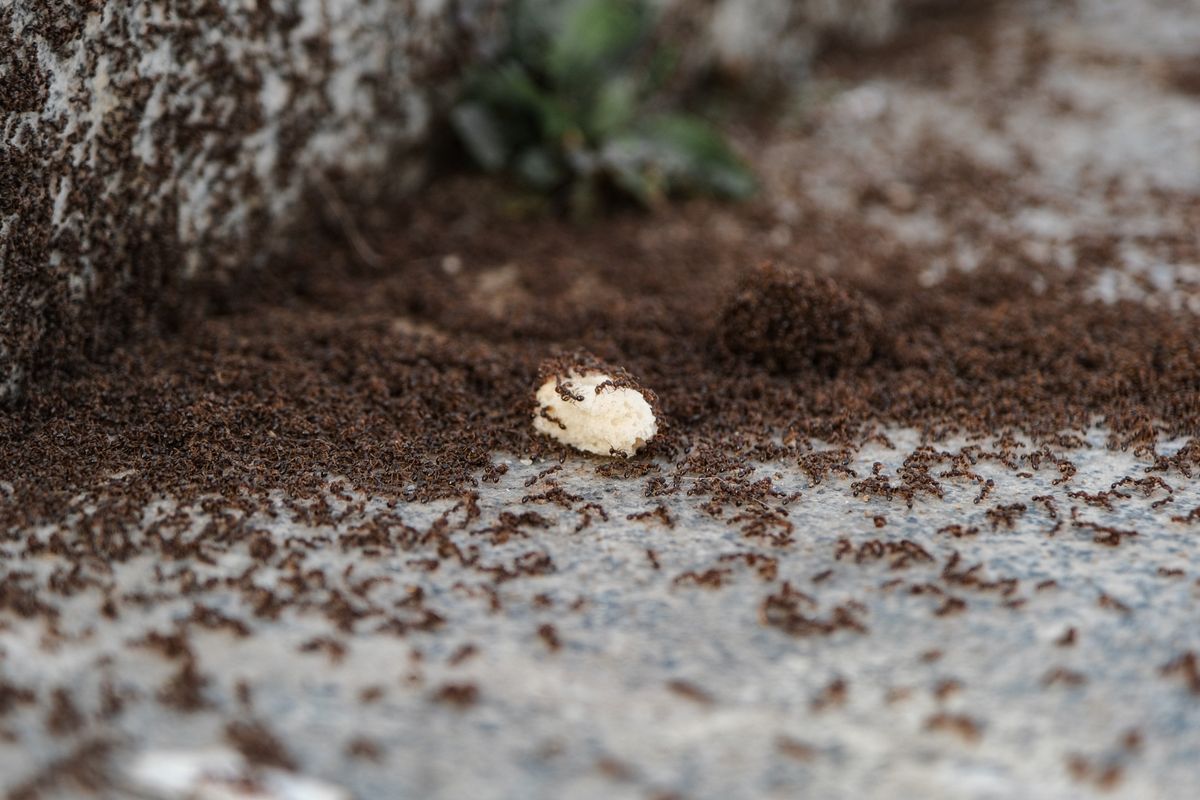
Short answer: A sudden appearance of ants indoors usually signals a rapid environmental change outside, such as extreme heat, heavy rain, or soil movement, driving worker ants to search for food or water. Alternatively, ants found an unsealed entryway near a moisture leak or exposed food source. Locating their entry point and trailing behavior allows you to target the root cause before a full colony establishes inside your walls.
Identifying ant species and indoor signs
A sudden indoor trail often starts at a wall gap, a window sill, or a baseboard. Identifying the type of ant helps determine whether the infestation threatens your structure or is merely seeking food.
Odorous house ants and sugar ants
Small black or brown ants trailing in lines toward kitchen counters, sinks, or pantries are usually nuisance ants. They seek carbohydrates, proteins, and surface water. When crushed, some species emit a distinct unpleasant odor. They nest in wall cavities, under slab edges, or in outdoor mulch.
Carpenter ants
Larger red, black, or red-and-black ants traveling individually rather than in tight trails may be carpenter ants. They do not eat wood, but they excavate tunnels inside damp framing, foam insulation, or fascia boards to build satellite nests. Finding fine wood shavings near baseboards or window frames indicates active excavation.
Winged swarmers
Swarmers are reproductive ants with wings that emerge to establish new colonies. Seeing winged ants indoors usually means a mature nest exists inside or directly beneath the home structure. It is important to distinguish winged ants from winged termites, as termites have straight antennae and equal-length wings, while ants have elbowed antennae and pinched waists.
Primary triggers for sudden ant invasions
Ants do not move indoors without cause. A sudden influx is typically driven by specific external factors or internal attractants.
Environmental shifts
Rapid weather changes disrupt outdoor nests. Prolonged dry spells dry out topsoil, forcing ants inside through foundation cracks to find water from plumbing fixtures, drain traps, and air conditioning drip pans. Heavy rainfall saturates outdoor soil, flooding subterranean tunnels and forcing colonies upward into wall cavities and living spaces.
Indoor food and moisture sources
A small spill under a refrigerator, unwashed pet bowls, standing water in a sink, or leaking supply lines under cabinets provide immediate resources. Ants send scout workers to locate food: once found, scouts leave a chemical pheromone trail that guides hundreds of worker ants directly to the source.
Disturbed outdoor habitat
Landscaping work, soil grading, fence replacement, or tree trimming near the foundation disrupts outdoor colonies. Displaced worker ants seek immediate shelter in the nearest stable structure.
Evaluating risks: structural damage versus nuisance
Understanding the severity of an ant problem helps you decide between simple sanitation steps and professional intervention. Nuisance species, such as odorous house ants, do not cause structural harm to framing or drywall. However, they contaminate food, spread bacteria across surfaces, and can colonize electrical junction boxes or appliance outlets, causing short circuits. Carpenter ants pose a genuine structural risk. By hollowing out wood studs, rafters, and rim joists, they weaken weight-bearing lumber over time. Moisture accelerates this damage, as carpenter ants prefer softened, decayed wood damaged by roof or plumbing leaks. In addition, an uncontrolled indoor infestation of any ant species indicates unsealed wall penetrations, roof leaks, or high perimeter moisture levels that can attract other pests or encourage mold growth.
Safe homeowner checks and what to avoid
You can perform several basic checks to trace the invasion safely without worsening the problem.
Where to inspect
Trace the ant trail back to its origin. Check behind appliances, along baseboards, beneath sink cabinets, around window frames, and near exterior door thresholds. Outdoors, inspect the foundation line directly opposite the indoor activity, looking for trails climbing weep holes, siding joints, or expansion gaps.
What not to touch or do
Avoid spraying broad-spectrum chemical contact sprays directly on trailing ants if you plan to use bait. Contact sprays kill visible workers instantly, which disrupts the trail and alerts the colony. The queen then reacts by splitting the nest into multiple sub-colonies through a process called budding, making eradication much harder. Do not disturb electrical outlets or light switches where ants are entering. Avoid opening wall cavity access panels without proper safety equipment if mold or live electrical wiring is suspected.
Professional inspection and treatment options
A pest control professional licensed through the Texas Department of Agriculture (TDA) brings specialized equipment and targeted products to eliminate the entire colony rather than just surface workers.
What a professional inspects
A licensed technician conducts a thorough inspection of interior moisture levels, attic spaces, crawl spaces or slab perimeters, wall voids, and outdoor landscape features. They use thermal cameras or moisture meters to detect hidden leak zones inside walls where carpenter ants or satellite nests thrive.
Treatment methods
Technicians apply slow-acting non-repellent liquid treatments or granular baits along perimeter trails. Worker ants carry these active ingredients back to the nest, sharing them with larvae and the queen to collapse the entire colony. Wall void dust treatments or foam applications may be used for carpenter ant galleries.
Cost drivers and repair choices
Pest control costs vary based on home square footage, the ant species involved, the severity of the infestation, and whether ongoing perimeter service is required. If carpenter ants have damaged structural studs, wood framing must be repaired or replaced by a contractor after the colony is completely eradicated.
DFW climate and foundation influences
Homes in the Dallas-Fort Worth area experience distinct structural and environmental pressures that directly influence ant behavior.
Expansive clay soil and slab foundations
Expansive clay soil across North Texas expands during wet seasons and shrinks significantly during hot summer dry spells. This continuous shifting creates cracks in concrete slab foundations, separation around expansion joints, and gaps where plumbing penetrations enter the home. Ants utilize these sub-slab cracks and open weep holes in brick veneer as direct highways into wall cavities.
Extreme summer heat and attic condensation
During long DFW summers, high temperatures dry out lawn soil completely, driving ants toward interior plumbing fixtures and HVAC condensate drain lines. Primary air handlers located in attic spaces produce continuous condensation. A clogged primary drain line or overflowing emergency pan creates hidden elevated moisture inside the attic, attracting worker ants and carpenter ants to wet roof decking and ceiling joists.
Spring storms and freeze events
Heavy spring thunderstorms dump inches of water in short periods, saturating clay soil and pushing ants upward. Winter freeze events can force outdoor colonies to seek warmth within insulated exterior walls and near water heaters.
Common questions
Why do ants return right after I spray them?
Store-bought contact sprays only kill visible worker ants on the surface. They do not reach the queen or the hidden nest inside walls or under the foundation. The surviving colony simply redirects its workers along new paths or splits into multiple nests to rebuild its numbers.
Can ants enter my home through brick weep holes?
Yes. Brick weep holes are designed to let moisture escape from behind brick veneer walls, but they also provide an open entry point for ants and other pests. Installing specialized wire mesh weep hole covers allows proper airflow while blocking insect entry.
How do I know if I have ants or termites?
Winged ants have elbowed antennae, narrow waists, and front wings that are larger than their hind wings. Swarming termites have straight antennae, thick waistlines, and four wings of equal size and length. Termites also discard their wings in piles near windows and light fixtures.
Should I seal wall cracks before or after pest treatment?
It is best to apply bait or non-repellent treatments first so worker ants can transport the product back to the nest. Sealing entry points too early can trap ants inside wall voids, forcing them to find alternative exit routes inside living spaces. Once colony activity ceases, caulk cracks and seal exterior gaps.