
What Affects the Cost of Roof Repair?
Short answer: Roof repair costs depend primarily on the physical complexity of the roof slope, accessibility, labor safety requirements, the extent of hidden moisture damage to...
By Everyday Home Advice Editorial Team
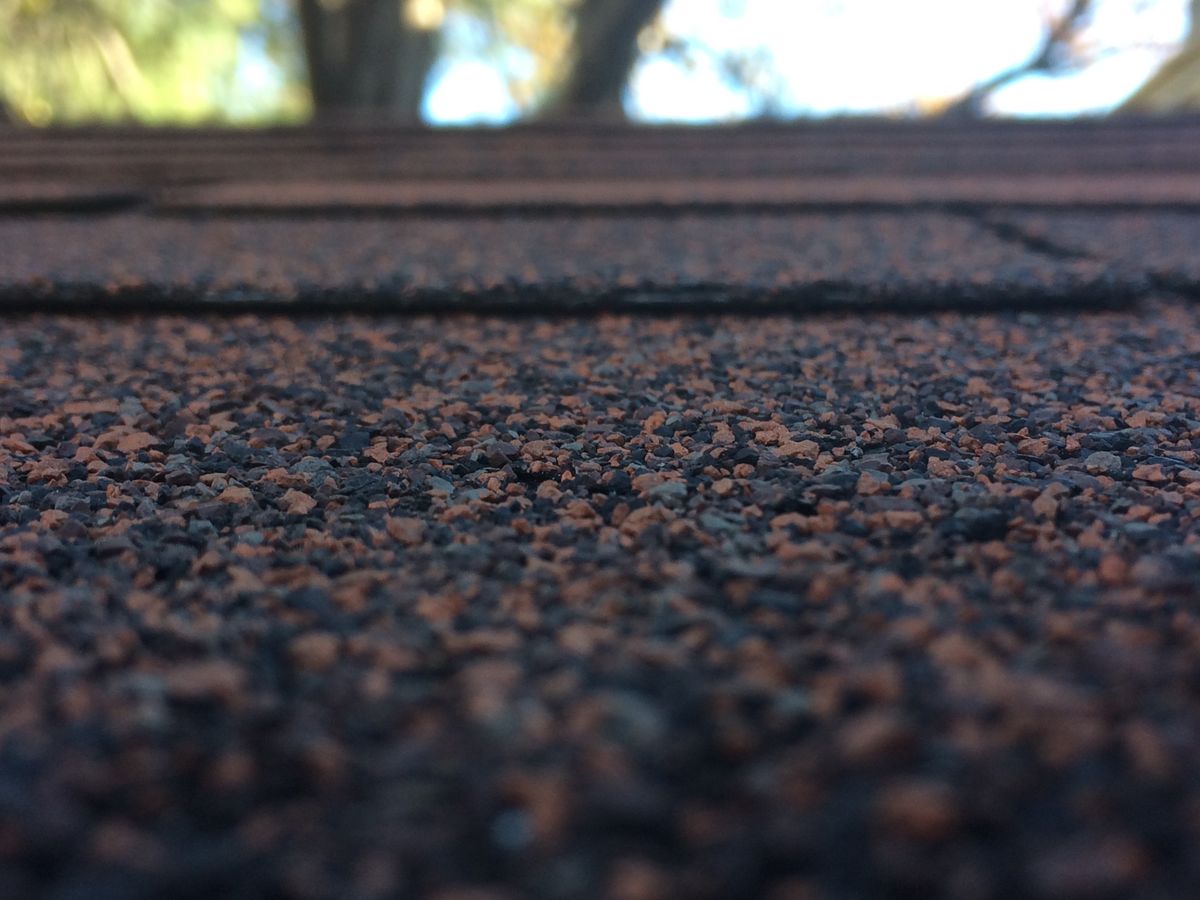
Short answer: Roof repair costs depend primarily on the physical complexity of the roof slope, accessibility, labor safety requirements, the extent of hidden moisture damage to structural decking, and the intricacy of flashing work around valleys and penetrations. Spot fixes on simple, low-pitch roofs require far less labor and material than repairing hidden rot, custom metal flashing, or multi-story steep slopes.
Identifying roof damage and common triggers
Symptoms of roof distress range from visible surface defects to subtle interior warning signs. Homeowners often notice cracked, missing, or lifted shingles after strong windstorms, or severe granule loss accumulating in downspouts. Interior signs include dark ceiling stains, damp attic insulation, peeling paint near exterior wall headers, or active drips during heavy rainfall. Several distinct physical mechanisms trigger these failures: Wind uplift can unseal shingle tabs, bending them backward and leaving underlying layers exposed to rain. Hail strikes fracture the asphalt granule coating, allowing ultraviolet radiation to break down the exposed fiberglass mat underneath. Radiant heat buildup in attics accelerates shingle aging, causing premature cracking around exposed fastener heads. Ground movement in expansive clay soil can cause subtle shifts in house framing lines over time. When roof trusses or rafters shift, flashing joints separate and open narrow pathways for wind-driven water.
Assessing severity and safe homeowner checks
Determining the urgency of a roof leak helps direct immediate protection efforts. Active water intrusion near ceiling light fixtures, sagging attic rafters, or saturated ceiling drywall indicates severe conditions that demand rapid structural attention. Water pooling in attic cavities weakens materials quickly and creates conditions favorable for mold growth. Homeowners can perform safe preliminary checks without climbing onto the structure: Inspect roof planes from the ground using binoculars to spot lifted shingles or damaged pipe boots. Use a flashlight inside the attic space to search for dark water trails along rafters or damp insulation batts. * Check exterior soffits and fascia boards from the ground for water staining or wood decay. Safety boundaries must be maintained strictly. Homeowners should never walk on steep, wet, or damaged roof slopes, nor should they work anywhere near overhead power lines. Roofing work requires proper fall protection gear and non-slip footwear. In Texas, roofing contractors and general contractors are not required to hold a statewide license, though trade work involving electrical lines, plumbing stack vents, or HVAC equipment connected to roof penetrations requires licensed electricians, plumbers, or A/C contractors regulated by the Texas Department of Licensing and Regulation (TDLR).
What a professional roofing contractor evaluates
A professional roof inspection evaluates the complete waterproofing assembly, looking beyond surface cosmetic damage.
Decking integrity and water tracking
Water often travels sideways along rafters before dripping onto ceiling drywall, meaning the leak site inside rarely sits directly beneath the exterior roof penetration. Contractors probe wooden sheathing for soft spots, wood rot, and structural delamination.
Flashing and penetration seals
Technicians carefully inspect step flashing along wall intersections, chimney counter-flashing, valley metal, and rubber pipe boot seals. Rubber pipe boots degrade much faster than surrounding asphalt shingles, making them a common entry point for moisture.
Attic ventilation balance
Contractors assess whether intake soffit vents and ridge exhaust vents operate correctly. Poor ventilation traps extreme heat and humidity, which bakes shingles from beneath and warps wooden decking panels.
Repair versus replacement considerations
Deciding between a targeted repair and a full slope or roof replacement depends on the overall age of the roof, structural condition, and shingle availability. If a roof is early in its service life and damage is confined to a single pipe boot, a few displaced shingles, or a isolated ridge cap section, a targeted repair is sensible. However, if shingles across an entire slope are brittle, curling, or losing substantial granule coverage, repeated spot repairs become inefficient. Material matching is another major factor. Shingle manufacturers regularly update product lines and color formulations. When an exact match for a discontinued shingle profile cannot be sourced, repairing a prominent roof slope can leave mismatched patches that hurt exterior aesthetics. In these situations, replacing an entire roof plane provides a uniform appearance and ensures consistent warranty coverage.
Primary factors that drive roof repair cost
Roof repair pricing is governed by labor hours, material scope, safety logistics, and waste volume rather than simple surface area measurements.
Pitch and roof height
Steeper roof angles require safety harness systems, specialized staging, and slower labor movement. Multi-story homes require tall ladders or specialized equipment to lift materials up to the roofline safely, increasing overall setup time.
Decking rot and structural framing repairs
Replacing surface shingles is straightforward. If water has penetrated the underlayment and rotted the plywood or oriented strand board sheathing below, contractors must strip damaged lumber out, install structural blocking, lay new decking, and apply fresh waterproofing underlayment before installing shingles.
Flashing complexity and valley work
Roof valleys carry high volumes of water runoff during rainstorms. Rebuilding a damaged valley requires interweaving shingles or installing heavy-gauge valley metal over self-adhering waterproofing membranes. Custom flashing around chimneys, dormers, and wall steps involves precise sheet metal bending and sealing, which increases skilled labor time.
Layers and tear-off waste
If previous installations left multiple layers of old roofing on the deck, crews must tear away all layers down to the bare wood framing to perform a proper repair. Handling and hauling extra waste layers increases physical labor and dump disposal charges.
North Texas climate and structural influences
Residential roofs in Dallas-Fort Worth face demanding environmental stress. Extreme summer thermal cycles generate high attic temperatures, accelerating the degradation of synthetic seals, rubber pipe boots, and plastic vent caps. Spring weather patterns regularly bring severe hail and high-wind events. Hail strikes break down asphalt matrices without immediately causing active indoor leaks, leading to progressive granule loss that compromises shingle durability over subsequent seasons. Winter freeze events expand trapped moisture inside clogged gutters or unsealed flashing seams, forcing metal flashing away from exterior brick fascia or siding. Additionally, seasonal moisture shifts cause expansive clay soils to contract during dry spells and swell following heavy rain. As residential foundations settle and adjust, home framing flexes. This structural movement puts stress on roof valley intersections, ridge lines, and wall flashing joins, opening fine gaps where wind-driven rain can penetrate during sudden torrential downpours.
Preventing recurring roof damage
Proactive maintenance protects structural integrity and reduces the likelihood of emergency leaks: Inspect rubber pipe boots annually for surface cracking, dry rot, or splitting. Keep roof valleys, eaves, and gutters free of leaves and organic debris to prevent water backups. Examine attic spaces after severe storms for water tracking or wet rafter tails. Trim overhanging tree branches to eliminate direct scraping and prevent animal access to the roof structure. * Confirm attic intake and exhaust vents remain unblocked to maintain proper air exchange and control summer heat accumulation.
Common questions
Why does a small ceiling stain sometimes require an extensive roof repair?
Water travels along hidden pathways, flowing down rafters, roof trusses, and subfloor layers before soaking into ceiling drywall. By the time moisture appears on an interior surface, water may have damaged several square feet of wooden decking, underlayment, and insulation that must be stripped out and replaced.
Can a single damaged shingle cause structural decking rot?
Yes. A single cracked or missing shingle exposes the underlying waterproofing felt or synthetic paper to direct sunlight and weather. Once UV light degrades the underlayment, rainwater leaks directly onto the wooden sheathing, causing structural wood decay over time.
Are roofing contractors required to hold a state license in Texas?
No. General contractors and roofing contractors are not licensed at the state level in Texas. However, associated trade tasks that involve electrical connections, plumbing vent stacks, or mold remediation must be performed by licensed professionals holding appropriate credentials through the Texas Department of Licensing and Regulation.
How does hail damage shorten the operational lifespan of a roof?
Hail impacts strip away the protective mineral granule coating embedded in asphalt shingles. Exposing the bare asphalt matrix directly to intense solar ultraviolet radiation causes the shingle to dry out, fracture, lose flexibility, and leak prematurely.