
What Should I Do If I Find a Missing Roof Shingle?
Short answer: Photograph the damage from the ground, inspect your attic and upper-story ceilings for moisture, and contact a qualified roofing professional to replace the...
By Everyday Home Advice Editorial Team
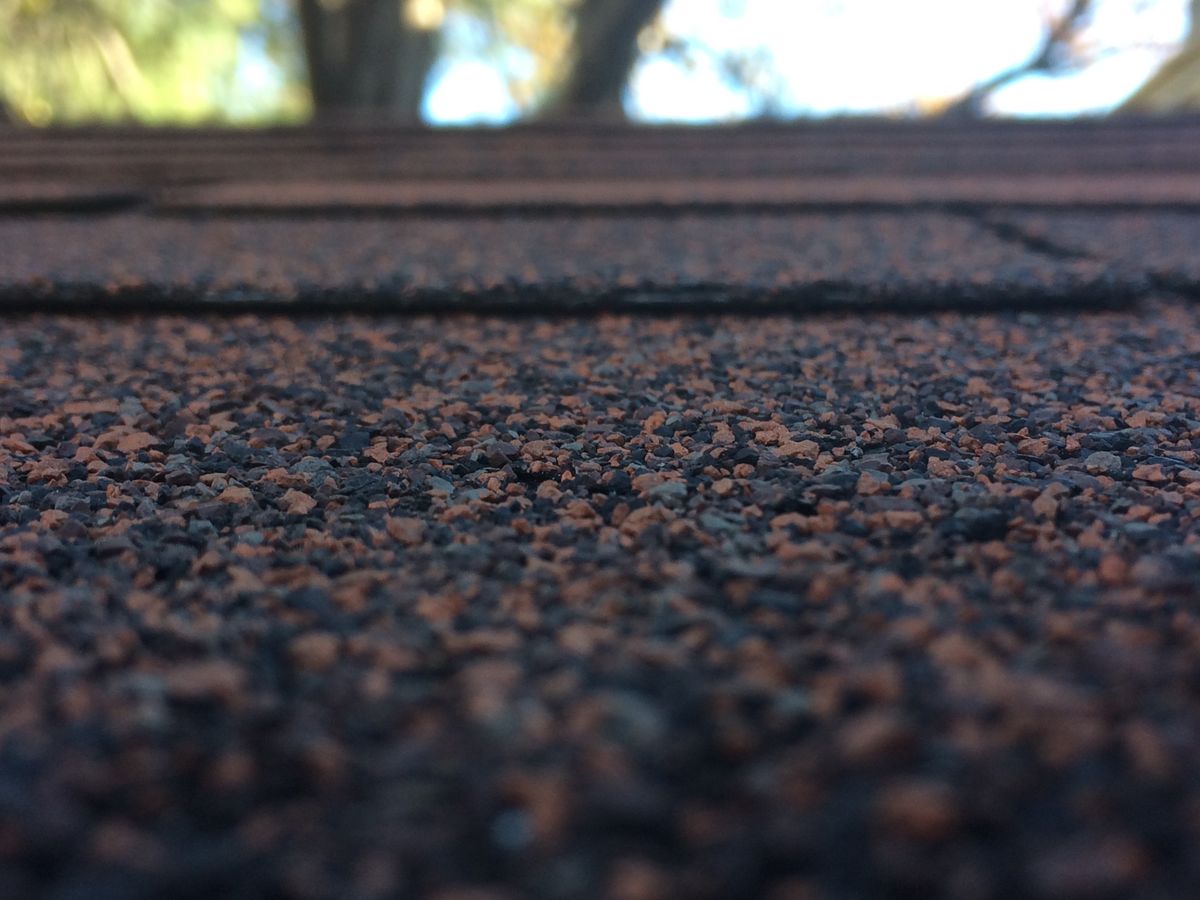
Short answer: Photograph the damage from the ground, inspect your attic and upper-story ceilings for moisture, and contact a qualified roofing professional to replace the missing shingle immediately. Leaving exposed roof underlayment or exposed nail heads unsealed allows rain to penetrate the decking and creates structural leaks during the next storm.
Safe homeowner checks and initial actions
Spotting a missing shingle from your lawn or finding shingle debris in your yard requires prompt action, but personal safety comes first. Homeowners should never climb onto a roof or stand on high ladders to perform DIY repairs. Walking on pitched roofs can cause falls, and stepping on heated asphalt shingles can damage surrounding materials. You can perform several safe checks from the ground and inside your home: Take clear, high-resolution photographs of the bare spot from the ground using a smartphone or camera zoom lens for your records and potential insurance claims. Check your lawn, gutters, and downspouts for torn shingle tabs or loose asphalt granules. Go into your attic during daylight hours with a flashlight. Look for water stains on the underside of the roof decking, damp insulation, or daylight shining through the roof structure. Inspect upper-floor ceilings and walls directly beneath the damaged roof section for water spots, peeling paint, or bulging drywall. If you notice active water intrusion inside your home, move furniture and valuables away from the area, place a bucket to catch drips, and call a professional right away.
Primary causes of missing shingles
Shingles separate from roof decks for several reasons, ranging from sudden storm damage to gradual material degradation.
High wind and storm events
Strong winds create uplift pressure across the slope of a roof. If wind gets underneath the leading edge of a shingle, it can peel the shingle upward and tear it away from its fasteners. Rake edges, ridges, and corners experience the highest wind dynamics during severe weather.
Thermal sealant strip failure
Asphalt shingles rely on a factory-applied sealant strip that melts under sun heat to bond overlapping courses together. Over time, repeated thermal expansion and contraction break this adhesive bond. Once the sealant fails, even modest wind gusts can lift unsealed shingle tabs.
Improper fastener depth
If nails were installed too high on the shingle, driven at an angle, or over-driven through the asphalt mat during installation, the shingle loses its holding power. Over-driven nails cut into the material, allowing wind to pull the shingle completely off the nail heads.
Aging and material degradation
As asphalt shingles age, they lose volatile oils and become brittle. Granule loss weakens the structural integrity of the shingle mat, making old shingles far more prone to cracking, splitting, and tearing loose.
Why a single missing shingle is a serious issue
A single missing shingle might seem like a cosmetic issue, but it leaves your home vulnerable to water intrusion. Asphalt shingles work as an overlapping water-shedding system. Removing one shingle breaks the continuous barrier and exposes the underlying components. Underlayment, whether felt paper or synthetic material, is designed as a temporary secondary defense against moisture. It is not engineered to withstand direct UV exposure or standing water. Solar radiation quickly degrades exposed underlayment, causing it to crack or tear. Furthermore, missing shingles expose the nail heads of the shingle course below. Water running down the roof profile can collect around these exposed nails, following the fastener shafts straight down into the plywood or OSB roof deck. Left unaddressed, water penetration leads to deck rot, mold growth in the attic, and damaged interior drywall. Damage is particularly severe when missing shingles occur in roof valleys or around flashing, where large volumes of runoff flow.
What a professional inspection and repair involves
A professional roofing contractor will conduct a comprehensive evaluation to ensure the repair extends beyond just slapping on a surface patch. During an inspection, the technician will: Check the condition of the exposed roof decking for soft spots, wood rot, or delamination. Evaluate the surrounding shingles to determine if their sealant strips are still functional or if adjacent shingles are loose. Inspect nearby roof penetrations, pipe boots, and flashing for secondary damage. Check the attic space below to verify that moisture has not penetrated the insulation or framing. To repair the area, the contractor carefully breaks the sealant bond on the shingles directly above the missing piece using a flat pry bar. They pull out the exposed nails, slide a matching new shingle under the course above, and secure it with proper roofing nails at the designated nail line. Finally, they apply specialized asphalt roof cement beneath the tabs of the new shingle and adjacent overlapping shingles to re-establish a wind-resistant seal. In Texas, general contractors and roofing contractors are not licensed statewide, though specialized trades such as electricians, plumbers, HVAC contractors, and mold remediation contractors are licensed through the Texas Department of Licensing and Regulation (TDLR). Look for local roofing contractors who maintain general liability insurance and written warranties.
Deciding between repair and full roof replacement
Deciding whether to perform a localized repair or invest in a full roof replacement depends on the overall condition and age of your roofing system. A repair is appropriate when: The roof is relatively young and the surrounding shingles remain flexible, flat, and securely bonded. The missing shingle was caused by an isolated storm event rather than widespread material failure. The underlying roof deck and underlayment remain completely dry and structurally sound. Replacement should be considered when: The roof is approaching the end of its intended service life. Surrounding shingles crack or crumble when lifted during minor repair attempts. Multiple shingles are missing across several roof slopes. * You notice widespread granule accumulation in gutters, curling shingle edges, or sagging roof lines. Several factors drive the cost of roof work. Accessibility and roof pitch significantly influence labor requirements, as steep or multi-story roofs require extra safety equipment. Matching discontinued shingle colors or profiles can increase material search time, while hidden structural damage to plywood decking or rafter framing requires additional labor and materials to rebuild before shingle installation.
North Texas weather considerations for DFW roofs
Roofing systems in Dallas-Fort Worth endure demanding environmental conditions that accelerate shingle wear and wind damage. Spring in North Texas brings severe thunderstorm cycles capable of producing damaging hail and severe straight-line winds. Hail strikes fracture the internal fiberglass mat of asphalt shingles, creating micro-cracks that allow wind to tear shingle tabs away during subsequent storms. Summer heat presents another major challenge. Intense sun exposure and attic heat build-up raise roof membrane temperatures significantly. This continuous thermal stress bakes the asphalt compound, drying out essential oils and accelerating granule loss. Over time, high heat degrades the adhesive seal strips holding shingles together, making them susceptible to sudden wind lift. Winter freeze events can also impact compromised roofs. Water that seeps into unsealed nail holes or exposed underlayment freezes during cold snaps, expanding within the roof deck and worsening structural openings.
Common questions
How long can I wait to fix a missing shingle?
You should schedule a repair as soon as possible. While exposed underlayment may temporarily shed light moisture, high winds or heavy rain can drive water straight past exposed nail heads, leading to interior leaks and wood rot within days.
Can I just put roof cement over the bare spot?
Applying roof cement directly over exposed underlayment is not a proper permanent repair. Roof cement is designed as an auxiliary sealant, not a replacement for overlapping asphalt shingles. Water can still migrate underneath temporary patches and cause deck rot.
Will insurance pay for a missing shingle repair?
Insurance coverage depends on your specific policy terms and the root cause of the damage. Sudden wind or hail damage from a documented storm event is often covered, subject to your deductible, while damage resulting from long-term wear or poor maintenance usually is not.
How do roofers match old shingle colors?
Roofing professionals pull a sample or check manufacturer color charts to match the shingle style and color. Because UV exposure fades older shingles over time, contractors select the closest current production match to blend the repair with the surrounding roof.