
Dallas–Fort Worth Roofing, Hail & Storm Damage Guide
Quick answer: After a DFW storm, the useful question is not "did it hail" but "is my roof damaged in a way that matters." You can answer a surprising amount from the ground:...
By Everyday Home Advice Editorial Team
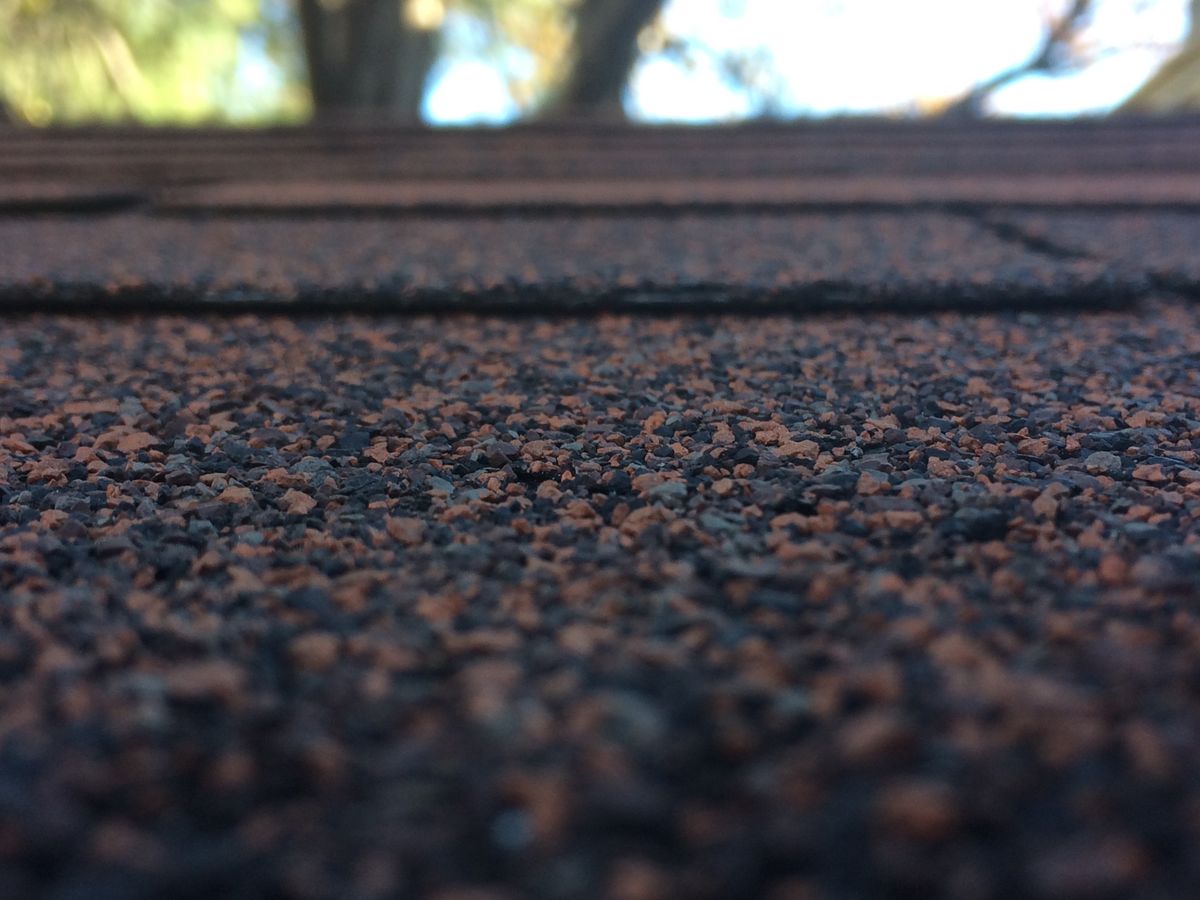
Quick answer: After a DFW storm, the useful question is not "did it hail" but "is my roof damaged in a way that matters." You can answer a surprising amount from the ground: missing or lifted shingles, granules in the gutters, dented soft metals, and new interior stains. What you should not do is climb the roof to find out. Roofs here take a specific combination of punishment: hail, straight-line wind, intense UV, and repeated thermal cycling between hot afternoons and cooler nights. Add the age of the roof and the quality of the original installation, and you have the full set of variables that decide how a roof performs.
Start with what you can see safely
- Missing shingles after wind: What Should I Do If I Find a Missing Roof Shingle?
- Shingles coming loose repeatedly: Why Are Shingles Coming Off My Roof?
- A stain on the ceiling: first decide whether it is the roof or plumbing. How Can I Tell If a Ceiling Stain Is From the Roof or Plumbing?
- Suspected active leak: How Do I Know If My Roof Is Leaking?
- Water running behind the gutters: Why Is Water Getting Behind My Gutters?
- Post-storm walkthrough: What Should I Check After a Major Storm?
- Deciding whether the roof is near the end: What Are the Signs That a Roof Needs Replacement?
How hail damage actually presents
Hail damage is rarely a hole in the roof. It usually shows as bruised or fractured shingle mat, loss of granules, and dents on soft metals such as vents, flashing and gutter edges. That is why two roofs on the same street can be treated differently: age, shingle type and condition change how the same hail affects them. Granules in the gutters and downspouts after a storm are one of the more useful ground-level clues. So are dents on the aluminum around the house. Neither proves roof damage, but both tell you the storm was significant at your address.
What to do right after a storm
- Look at the roof from the ground, not on it.
- Check the ceiling inside for new stains, especially at exterior walls and near chimneys or vents.
- Look at gutters, downspouts, vents and flashing for dents.
- Photograph what you find, with the date.
- If water is entering, contain it and address the source rather than the stain.
If water is coming in, the priority order is stop the water, protect what is underneath, then repair. The water damage guide covers the containment sequence.
Insurance: what to expect, and what not to assume
Roof claims depend on policy language, cause of loss, deductibles and the adjuster's inspection. This publication does not promise coverage or predict claim outcomes, because neither is knowable from a web page. What is knowable: document the damage with dates, keep the damaged materials available for inspection until the claim is resolved, and get the scope of work in writing. What Affects the Cost of Roof Repair? and What Affects the Cost of Roof Replacement? explain the pricing variables, and How to Compare Home Repair Estimates Without Looking Only at Price explains why the lowest bid is often the most expensive.
Repair or replace?
A localized problem, such as a failed pipe boot or a wind-lifted ridge, is usually a repair. A roof with widespread granule loss, multiple leak points, or shingles at the end of their service life is a different decision. Should I Repair or Replace My Roof? lays out the factors: age, extent, number of repairs, and whether the decking or underlayment is compromised.
Gutters and drainage are part of the roof system
A roof that sheds water onto the foundation is doing half its job. Gutters that overflow at a valley, downspouts that discharge against the slab, and grading that slopes back toward the house all create water problems that look like foundation or basement issues later. Water behind gutters is often a hanger, pitch or debris problem rather than a roof failure.
What matters in North Texas
Hail frequency. This is the defining exterior risk in the metro. Roof age and condition at the time of the storm drive most of the difference between "no action" and "replacement." Heat and UV. Long, intense summers age shingles and sealant strips faster than in cooler climates. Attic ventilation affects how much heat the roof assembly absorbs. Wind without hail. Spring and summer storm lines produce wind damage that homeowners sometimes miss because there is no hail to look for. Freeze-thaw on flashings. Small freeze events can open seams that were already marginal.
Frequently asked questions
Can I tell hail damage from the ground? Not definitively. You can identify clues and decide whether an inspection is warranted. How long do roofs last here? Service life depends on material, installation quality, ventilation and storm exposure. Age is a starting point for the conversation, not the answer. Will my insurance go up if I file a claim? That depends on your policy and carrier. Ask your agent directly rather than relying on general claims. Should I sign anything on the spot after a storm? No. Storm-chasing contractors exist in every metro. Verify the company, get the scope in writing, and read what you sign. Questions to Ask Before Hiring a Home Service Company is a reasonable checklist.
Next step
Do the ground-level check, document what you find, and if the roof needs eyes on it, have it inspected by someone qualified to be up there. Find Local Help lists roofing options by area.