
What Should I Check After a Major Storm?
Short answer: After a major storm, inspect your property safely from the ground and from inside the living space. Examine roof lines, gutters, soft metal vents, siding, and...
By Everyday Home Advice Editorial Team
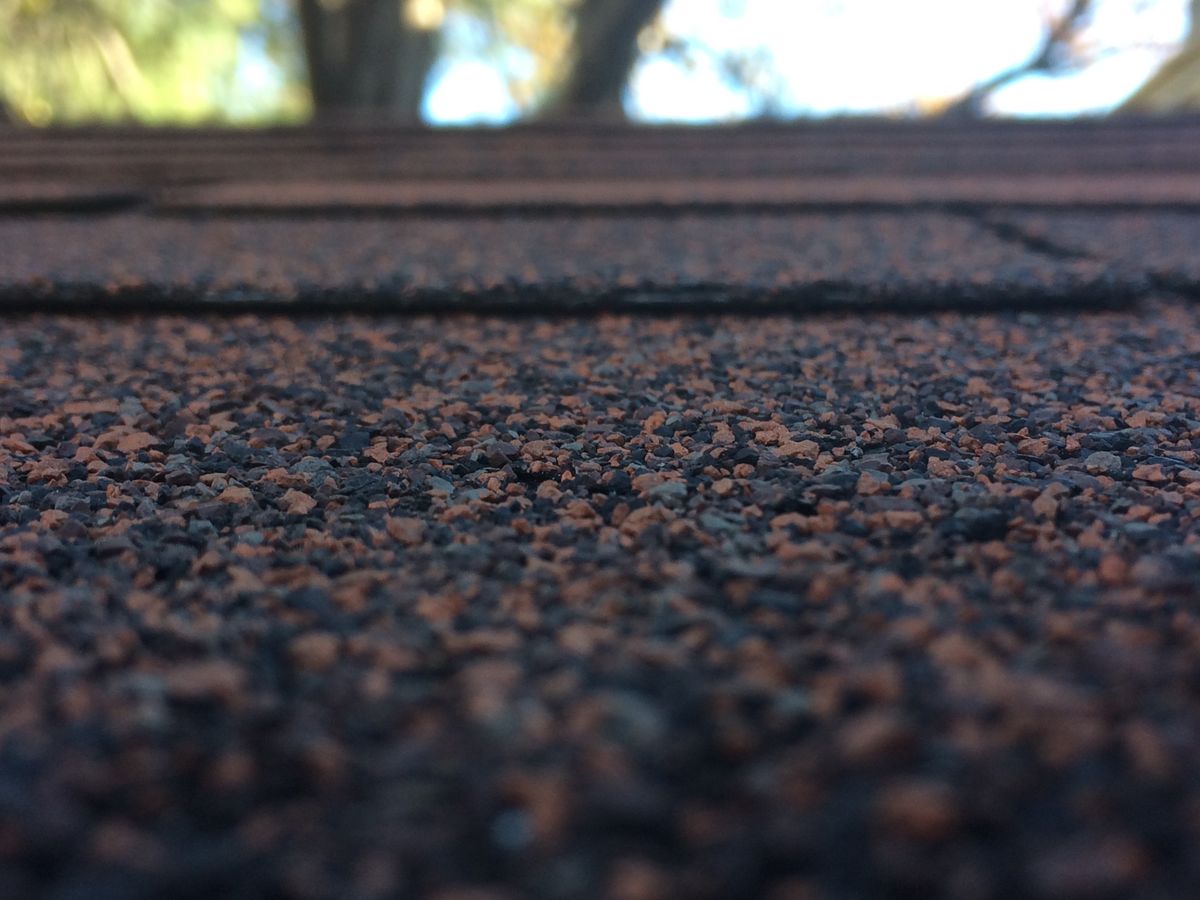
Short answer: After a major storm, inspect your property safely from the ground and from inside the living space. Examine roof lines, gutters, soft metal vents, siding, and windows for visible impacts, missing materials, or leaks. Inspect your attic and upper-story ceilings for fresh water stains or active drips. Document all damage with date-stamped photographs before disturbing debris, and hire qualified local professionals for elevated roof checks or emergency repairs.
Ground-level exterior and roof evaluation
A thorough post-storm evaluation begins outside at ground level. Walk around the entire perimeter of the home using binoculars to inspect high roof ridges, hips, and gables without leaving the ground. Look for lifted, curled, creased, or completely missing shingle tabs. Pay close attention to roof edges and eaves where wind uplift often strips away protective layers. Inspect all soft metal components on and around the roof line. Metal box vents, ridge vents, chimney caps, valley flashings, and drip edges act as clear indicators for hail impacts. If these soft metal surfaces show rounded dings or deep indentations, the roof shingles have likely sustained impact damage as well. Check the roof drainage system. Look for gutters that have pulled away from the fascia board, detached downspouts, or heavy accumulations of mineral granules collecting at downspout outlets. Granule loss weakens the underlying asphalt matting, accelerating sun damage over time. Examine wall cladding, window screens, glass panes, window frames, and outdoor mechanical equipment. Wind-blown hail can bend aluminum fins on air conditioning condensers, reducing system cooling efficiency.
Interior leak and attic checks
After completing the exterior ground check, inspect the interior of your home. Start on the uppermost floor directly beneath the roof structure. Check ceilings, drywall corners, and light fixtures for yellow or brown rings, bubbling paint, sagging sheetrock, or active water drops. Water can travel along roof rafters and wall framing before pooling above a ceiling, so a leak may appear several feet away from the actual roof penetration. If your attic is safely accessible via a pull-down staircase or hatch, inspect the space using a bright flashlight. Stand on secured floor joists and look up at the underside of the roof deck. Look for dark water streaks on plywood or OSB sheathing, damp insulation, or pinpricks of daylight shining through near valleys and pipe boots. Pay close attention to attic mechanical systems. Many homes house the primary air handler and secondary drain pan in the attic space. High attic humidity caused by storm intrusions combined with clogged condensate lines can cause immediate water overflow into lower living spaces.
Identifying wind, hail, and water damage
Storm damage manifests differently depending on the storm type. Distinguishing between wind impact, hail strikes, and wind-driven rain helps determine the appropriate scope of restoration. Wind damage typically creates clear structural displacement. Strong gusts lift shingle tabs, breaking the seal strip beneath. Once broken, the shingle can crease, tear away entirely, or expose fasteners underneath. Missing shingles or broken soffit vents allow open entry points for rain during subsequent weather events. Hail damage causes impact fractures. Hail strikes bruise the fiberglass or asphalt mat within a shingle, often dislodging mineral granules and exposing the underlying asphalt layer. These circular depressions compromise the shingle waterproofing barrier even if the material is not completely torn away. Wind-driven water damage occurs when high-velocity gusts force rainfall upward beneath roof overlaps, under window flashing, or into mechanical wall louvers. This type of damage can occur without tearing away physical roofing materials, leaving moisture trapped inside structural cavities.
Safety risks and what homeowners should not touch
Personal safety takes precedence during any post-storm evaluation. Homeowners should never walk on a wet or storm-damaged roof. Roof pitches, loose mineral granules acting like small ball bearings, and compromised structural decking create severe fall hazards. Emergency roof tarping should always be performed by experienced contractors using proper safety harnesses and tie-off equipment. Avoid touching downed utility lines, service drop wires, or electrical service masts attached to the house. Storm winds can break tree limbs that pull down energized conductors onto roof structures, metal gutters, or chain-link fences. If water has entered electrical service panels or wall outlets, do not touch switches or breakers until a qualified technician inspects the system. In Texas, electrical work, plumbing, HVAC servicing, and mold remediation require individual state licenses through the Texas Department of Licensing and Regulation (TDLR). Roofing and general contractors are not licensed at the state level. Homeowners should verify local business credentials, physical office addresses, and insurance coverage before signing contracts or work authorizations with door-to-door solicitors following a weather event.
Professional storm assessments and repair options
When ground-level checks indicate structural damage or water intrusion, hire a professional to perform a complete technical assessment. Professional inspectors utilize specialized equipment, including high-resolution pole cameras, thermal imaging cameras to locate hidden moisture behind drywall, and moisture meters. Repair options range from localized component replacement to full structural restoration:
Spot repairs
Individual shingle tabs, isolated ridge cap sections, or single vent boots can be replaced if the surrounding roof membrane remains intact and flexible.
Partial slope restoration
When wind damage concentrates on a single exposed slope, contractors can replace matching materials along defined valleys and hips.
Full replacement
If hail fractures the protective matting across multiple roof facets or if the roof assembly is near the end of its serviceable lifespan, a complete tear-off and re-roofing is necessary to restore water tightness. Repair costs are driven by the total square footage of the roof surface, the pitch and steepness of the rafters, the height of the home, accessibility for material delivery, and the specific materials chosen, such as standard architectural shingles versus impact-resistant alternatives.
North Texas weather and local building considerations
North Texas weather patterns present unique challenges for residential roofing systems. The region experiences severe spring storm cycles featuring large hail, high wind shear, and torrential rainfall, often following severe winter freeze conditions or summer heat spells. Prolonged exposure to intense summer solar heat causes asphalt shingles to lose volatile oils, making them brittle and highly susceptible to impact damage when hail strikes. Soil behavior across the Dallas-Fort Worth region also impacts roof performance. Expansive clay soils expand significantly when saturated by severe storm rainfall and contract during dry periods. This soil movement causes subtle shifts in residential foundations. Structural movement can twist framing, loosen metal flashings where roof lines meet exterior walls, or alter the slope of seamless gutters so water overflows back into fascia boards. Additionally, because local home designs frequently place air handlers and ductwork in unconditioned attic spaces, hot weather combined with storm leaks can create rapid moisture accumulation, leading to accelerated mold growth within days if not addressed quickly.
Common questions
Should I clean up storm debris before taking pictures?
No. Take detailed, date-stamped photos and videos of all fallen branches, hail accumulation, displaced shingles, and indoor water stains before moving anything. Documentation is critical when proving the direct cause of loss during the insurance claim process.
How do I know if hail damaged my roof if no shingles are missing?
Look for ground-level clues such as soft metal vent dings, heavily dented gutter downspouts, and large piles of dark sand-like granules at downspout exits. A professional inspector can evaluate the roof to check for bruised asphalt mats and fractured fiberglass layers.
Are roofing contractors licensed by the state of Texas?
No. The state of Texas does not issue statewide licenses for roofing or general contractors, though trades like electricians, plumbers, HVAC technicians, and mold remediators must be licensed through TDLR. Always verify local references and physical business locations.
Is a small ceiling stain considered an urgent repair?
Yes. Even a minor water spot indicates that water has penetrated the outer roof surface, saturated the attic insulation, and soaked through the drywall ceiling. Leaving it unattended can foster mold growth and cause structural ceiling drywall failures.