
Why Does My Breaker Trip When I Use the Microwave?
Short answer: A breaker trips when using a microwave because the appliance draws more current than the circuit can safely supply, or because there is an internal short circuit...
By Everyday Home Advice Editorial Team
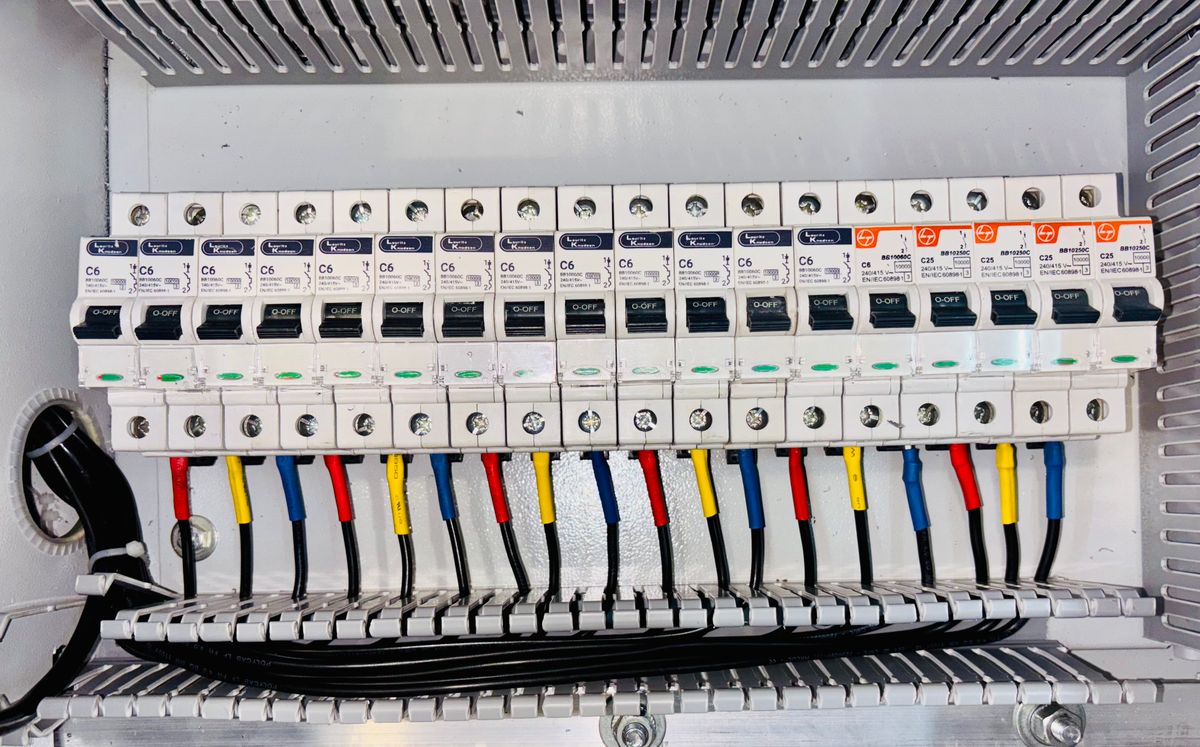
Short answer: A breaker trips when using a microwave because the appliance draws more current than the circuit can safely supply, or because there is an internal short circuit inside the microwave itself. In many older kitchen configurations, microwaves share a circuit with other high-wattage appliances, pushing total electrical draw past the breaker rating.
Identifying the Underlying Cause
A circuit breaker trips to prevent electrical fires caused by overheating wiring. When a microwave runs, it demands a significant amount of electricity. If the breaker trips, the underlying cause usually falls into one of three categories: a circuit overload, a short circuit, or a failing electrical component. Circuit overloads occur when multiple devices on the same breaker draw more current than the circuit supports. Short circuits occur when a hot wire contacts a neutral wire or ground wire, creating an immediate spike in current. Internal microwave failures, such as a shorted high-voltage capacitor, door interlock switch failure, or magnetron failure, can also trigger a short circuit that trips the breaker instantly. Dual-function AFCI or GFCI breakers may also trip due to arc faults or ground faults within the appliance wiring.
Safe Diagnosing and Homeowner Checks
Homeowners can perform simple troubleshooting steps without touching electrical wiring inside walls or panels. First, check if other electronics or appliances lose power when the breaker trips. If countertop outlets, lights, or refrigerators also go dark, the microwave is sharing a circuit with other loads. To test the appliance itself, unplug the microwave and move it to a separate, dedicated outlet on a different circuit, such as an outlet in a laundry room or dining room. If the microwave runs normally on a separate circuit without tripping the breaker, the original kitchen circuit is overloaded. If the microwave trips the breaker on a completely different circuit, the microwave itself has an internal electrical fault and requires repair or replacement. Inspect the microwave power cord for visible melting, scorch marks, or damaged insulation. If any cord damage is present, stop using the appliance immediately.
Safety Risks and What Not to Touch
Repeatedly resetting a tripping breaker without identifying the root cause creates a severe fire hazard. Overheated conductors inside wall cavities can degrade wire insulation, leading to electrical arcing and fires. Homeowners should never remove the deadfront cover of an electrical panel to inspect breakers or wiring. Touching live bus bars inside the breaker box can cause fatal electric shocks. Avoid disassembling the microwave housing, as high-voltage capacitors inside microwaves store dangerous electrical charges long after the appliance is unplugged. Never force a circuit breaker to stay in the ON position or replace a breaker with a higher amperage model to stop tripping, as this bypasses the protection designed to prevent wall wiring from catching fire.
Professional Electrical Testing and Repairs
If simple appliance swapping indicates a household circuit issue, hire a licensed electrician. Electrical contractors in Texas are licensed through the Texas Department of Licensing and Regulation (TDLR). A licensed electrician will test the circuit using digital multimeters and clamp meters. They measure the operating current draw on the circuit, check wire connections for looseness, test breaker spring mechanisms, and inspect outlet terminals. If the breaker itself is weak or worn out, the electrician will replace it with a matching breaker approved for your panel brand. If the kitchen circuit is overloaded, the electrician can install a dedicated 20-amp small appliance branch circuit running directly from the main service panel to the microwave location.
Cost Drivers and Repair Versus Replacement
Deciding whether to repair or replace equipment depends on the source of the trip: Microwave failure: Countertop microwaves are generally cheaper to replace than to repair. Built-in or over-the-range units may warrant professional appliance repair if the unit is high-value or covered by a warranty. Circuit upgrades: Installing a dedicated circuit involves running new cable from the breaker panel to the kitchen. Cost factors for electrical work depend on the accessibility of the breaker panel, the distance between the panel and the kitchen, attic access for running new wire, wall material type, and whether panel space allows adding a new breaker. Replacing a faulty standard or AFCI/GFCI breaker on an existing circuit is straightforward, while adding subpanels or expanding main service increases total project scope.
Dallas-Fort Worth Home Electrical Factors
Homes across Dallas-Fort Worth face specific environmental and structural factors that contribute to kitchen circuit issues. In older DFW neighborhoods built before modern building codes required dedicated 20-amp countertop circuits, kitchens frequently share one or two 15-amp circuits across all wall outlets, lighting, and built-in microwaves. Adding modern high-wattage kitchen appliances onto these legacy branch circuits reliably triggers overloads. Additionally, main breaker panels installed in hot garage locations or exterior walls absorb extreme summer heat. High ambient temperatures inside panel enclosures reduce a thermal-magnetic breaker's heat tolerance, causing it to trip at lower electrical currents during summer months. In homes with slab foundations, ground movement caused by expanding and contracting clay soil can pull at underground service conduits or shift structural framing, occasionally straining junction boxes or wire runs feeding kitchen branch circuits.
Common questions
Can a microwave share an outlet with a refrigerator?
No. Modern electrical codes require refrigerators and microwaves to operate on separate branch circuits or dedicated high-capacity circuits. Sharing a circuit between two high-wattage appliances causes frequent overloads.
Why does my breaker trip instantly when I press start?
An instant trip when pressing start usually indicates a short circuit inside the microwave, such as a failed door switch or shorted magnetron, or a direct short in the wall outlet wiring.
Is a tripping breaker dangerous?
Yes. A breaker trips to protect your home from thermal overload and fire. Ignoring repeated trips or repeatedly flipping the breaker back on can damage appliance electronics and overheat home wiring.
Do I need a general contractor or electrician to add a kitchen circuit?
In Texas, electrical installations must be performed by an electrician licensed through the TDLR. General contractors are not licensed statewide for electrical trade work.