
Why Does an Outlet Feel Warm?
Short answer: An electrical outlet should not feel warm to the touch under normal operating conditions. Warmth signals electrical resistance, an overloaded circuit, or loose...
By Everyday Home Advice Editorial Team
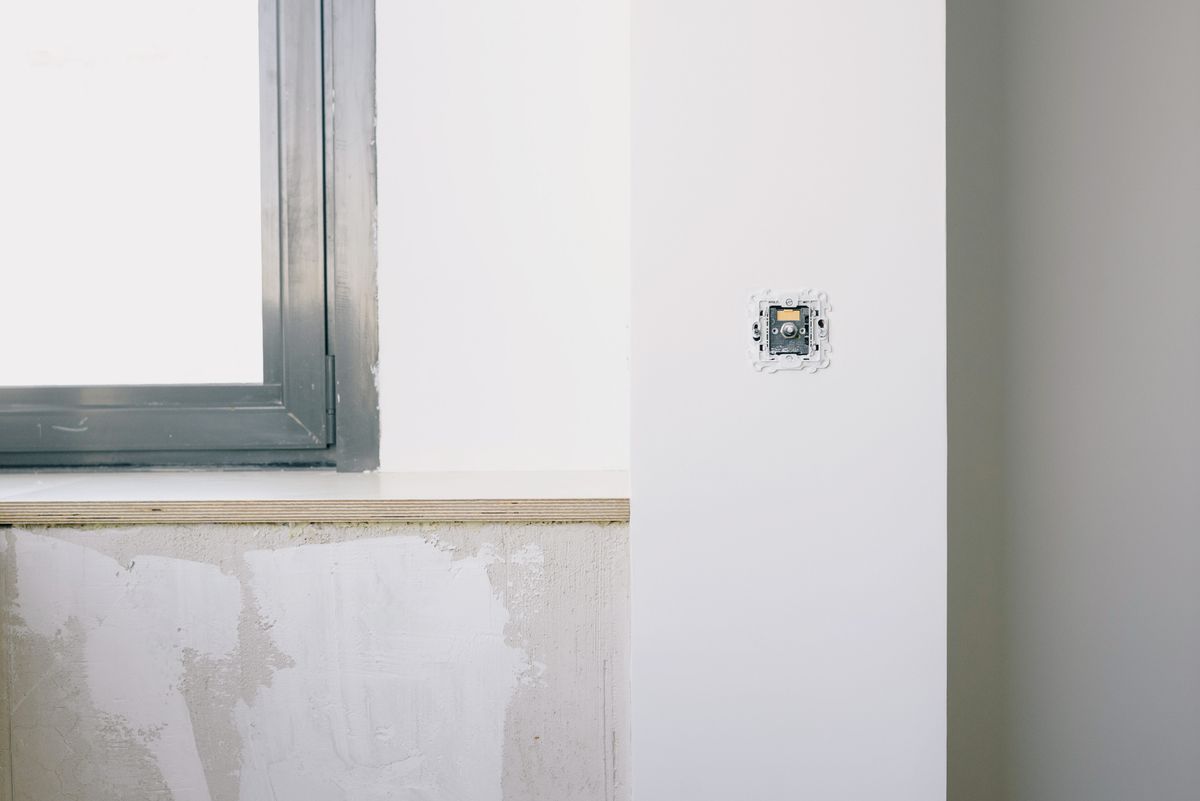
Short answer: An electrical outlet should not feel warm to the touch under normal operating conditions. Warmth signals electrical resistance, an overloaded circuit, or loose wiring connections inside the junction box. Because heat buildup inside a wall cavity can degrade wire insulation and ignite surrounding materials, shut off power to the circuit at the main breaker panel immediately and have a licensed electrician evaluate the outlet.
Identifying Warm Outlets and Warning Signs
A standard wall receptacle should remain close to room temperature. The only standard exception involves low-voltage transformers, such as the bulky power adapters used for cell phone chargers or small electronics, which convert alternating current to direct current and radiate mild heat directly through their plastic casing. However, the wall outlet plate itself should not be hot. Heat generated directly by the wall receptacle or cover plate indicates an abnormal electrical condition. Homeowners should watch for secondary warning signs that indicate severe heat buildup: Discoloration, yellowing, or scorching on the plastic cover plate or faceplate screws. Plugs that feel loose, slide out easily, or sag when plugged into the receptacle. A faint burning plastic or rubber odor near the wall. Soft buzzing, clicking, or crackling sounds originating from behind the cover plate. * Smoke or visible melting around the plug slots. If any of these severe symptoms accompany a warm outlet, turn off the circuit breaker immediately.
Primary Causes of Electrical Outlet Heat
Heat in an electrical circuit is caused by resistance. When electricity encounters resistance while flowing through a conductor or terminal, kinetic energy transforms into thermal energy. Several distinct issues cause this condition:
Loose Wiring Terminations
Wires are attached to outlets using side terminal screws or push-in connectors on the back of the device, often called backstabbed connections. Over time, vibrations, thermal movement, and physical strain from inserting and removing plugs loosen these connections. A loose connection reduces the contact surface area, forcing electrical current through a smaller point of contact and producing intense localized heat.
Overloaded Circuits
Plugging high-draw space heaters, portable air conditioners, hair dryers, or large kitchen appliances into a single outlet circuit pulls heavy current through the conductors. While the circuit breaker may not immediately trip if the load stays near its threshold, high current passing through older or slightly degraded connections generates continuous heat.
Worn Internal Contact Springs
Inside the receptacle slots, metal spring contacts grip the prongs of an inserted plug. With years of use, these internal springs lose tension and spread apart. Loose contacts create resistance between the plug prongs and the receptacle, causing the plug and wall plate to heat up during operation.
Aluminum Wiring
Homes constructed during the late 1960s and 1970s frequently used solid aluminum branch-circuit wiring. Aluminum expands and contracts much more significantly than copper when carrying current and is prone to oxidation. Unsuitable connections on aluminum wire loosen over time, generating extreme electrical heat.
Internal Failure of Integrated Devices
Smart outlets, dimmers, and receptacles with built-in USB ports contain small internal electronic transformers. While slight warmth can occur in dimmers as they dissipate excess voltage, excessive heat indicates internal component degradation or a short circuit inside the module.
Safe Homeowner Inspections and Safety Warnings
Homeowners can perform basic visual checks safely, but strict boundaries must be maintained to prevent electrical shock or arc flash injuries. First, unplug all devices from the warm outlet and feel the plug prongs. If the prongs are hot but the wall plate cools down quickly after unplugging, the attached device or its cord may be failing rather than the wall outlet. Second, walk to the main electrical panel and switch off the breaker supplying power to that room. Verify that power is off by testing the outlet with a reliable lamp or non-contact voltage tester before touching the faceplate again. Never attempt the following actions: Do not remove the wall plate or insert metal tools, screwdrivers, or probes into an energized outlet box. Do not touch wires that show signs of melting, burning, or exposed bare metal. Do not replace a tripping breaker with a higher-amperage breaker to stop a circuit from shutting down. Do not continue using a warm outlet simply because the circuit breaker has not tripped. Standard thermal-magnetic breakers trip from sustained overcurrent or direct short circuits, not necessarily from a localized loose terminal screw.
North Texas Climate and Housing Factors
North Texas homes face structural and environmental conditions that accelerate electrical connection wear. Extreme summer temperatures push attic spaces to extraordinarily high heat levels. Electrical cables routing through unconditioned attics carry elevated ambient temperatures down into top-plate wall cavities, reducing the wire's natural ability to dissipate heat. Continuous summer air conditioning demands also play a direct role. During long stretches of triple-digit heat, central HVAC systems run constantly. Homeowners often supplement cooling by plugging portable air conditioners or window units into bedroom circuits. Running these high-amp continuous loads through older wall receptacles exposes latent loose connections to maximum current for hours at a time, turning a minor wiring flaw into a heat hazard during peak summer months. Furthermore, severe seasonal moisture changes cause expansion and contraction in foundation slabs and framing timbers across the Dallas-Fort Worth area. Structural movement shifts wall framing slightly, putting physical tension on wiring runs and loosening screw terminals on older devices over several seasons. Older neighborhoods across Dallas and Tarrant counties contain housing stock with original backstabbed receptacles and legacy aluminum branch circuits that are particularly vulnerable to these stress factors.
What a Professional Electrician Tests and Repair Options
When inspecting a warm outlet, an electrician licensed by the Texas Department of Licensing and Regulation (TDLR) follows systematic diagnostic steps:
- Voltage and Load Testing: The electrician measures voltage drop across the circuit under load to detect high-resistance points.
- Thermal Imaging: Infrared cameras identify hidden heat spots behind drywall and inside the electrical panel.
- Physical Inspection: After isolating power, the electrician pulls the receptacle out to inspect wire insulation for heat degradation, check box fill capacity, and evaluate conductor integrity.
Repair options depend on the root cause found inside the box: Receptacle Replacement: Replacing worn or backstabbed outlets with commercial-grade receptacles utilizing side-screw or screw-clamp terminals. Pigtailing Connections: Splicing incoming and outgoing wires with a jumper wire using proper wire connectors, ensuring the outlet itself does not carry pass-through current for downstream outlets. Aluminum Remediation: Installing special CO/ALR rated devices or applying specialized torque connectors with anti-oxidant compound to safely join aluminum wiring to copper pigtails. Junction Box Replacement: Upgrading shallow or overcrowded plastic boxes to larger volume boxes to allow proper air circulation and heat dissipation.
Repair Versus Replace and Cost Drivers
A warm outlet should almost always be replaced rather than repaired. Electrical receptacles are inexpensive mechanical devices; once internal contact springs soften or plastic housing suffers heat stress, the device loses structural integrity. Re-tightening a terminal screw on a heat-damaged outlet is unsafe. Several factors drive the overall cost of resolving a warm outlet issue: Scope of Damage: If heat has melted wire insulation inside the box, the electrician must cut back the damaged wire or run a new cable segment from an adjacent junction point. Wiring Type: Aluminum wire remediation requires specialized connectors, tools, and labor protocols compared to standard copper wiring. Circuit Modifications: If the warmth stems from an overloaded circuit, installing a new dedicated circuit from the panel to handle heavy appliances may be required. Panel and Box Accessibility: Tight work areas, plaster walls in historic homes, or overcrowded service panels increase diagnostic and labor time.
Prevention Strategies
Preventing outlet heat issues requires proper load management and modern device standards: Avoid plugging high-draw heating or cooling appliances into extension cords or power strips. Plug heavy loads directly into dedicated circuits or outlets that do not share power with multiple rooms. Have an electrician replace backstabbed builder-grade outlets with heavy-duty screw-terminal receptacles during home updates. Ensure all plug prongs fit tightly into wall outlets; replace any receptacle that fails to hold a plug firmly. * Schedule periodic electrical safety inspections for homes over thirty years old to check terminal torque and insulation condition.
Common questions
Is it normal for a dimmer switch or USB outlet to feel warm?
Dimmer switches dissipate excess energy as heat and can feel slightly warm during normal operation when lights are on. USB wall outlets also contain internal transformers that create mild warmth while charging a device. However, neither device should ever feel hot, smell burnt, or show discoloration.
Why didn't my circuit breaker trip if the outlet is hot?
Standard circuit breakers trip when current exceeds a specific amperage threshold or when a direct short circuit occurs. A loose terminal screw creates high resistance and heat at a single point without necessarily drawing enough extra current to trip a standard breaker. Arc-Fault Circuit Interrupters (AFCIs) are better equipped to detect arcing from loose connections.
Can I just replace the discolored faceplate and keep using the outlet?
No. Discoloration on a faceplate proves that extreme heat occurred behind the wall. Replacing only the plastic cover hides a severe fire hazard without addressing the loose wiring, damaged insulation, or degraded receptacle inside the junction box.
What is backstabbed wiring and why does it cause heat?
Backstabbed wiring occurs when solid copper wires are pushed into spring-clamp holes on the back of an outlet instead of being secured under screw terminals. Over time, these spring clamps lose tension, reducing contact surface area and generating high resistance heat. When Should You Call an Electrician? Why Is One Outlet Loose? What Affects the Cost of Hiring an Electrician? Dallas Home Repair & Maintenance Guide * Frisco Home Repair & Maintenance Guide