
Why Is One Outlet Loose?
Short answer: A loose outlet is typically caused by worn metal tension springs inside the receptacle or an electrical box that has detached from surrounding drywall or wall...
By Everyday Home Advice Editorial Team
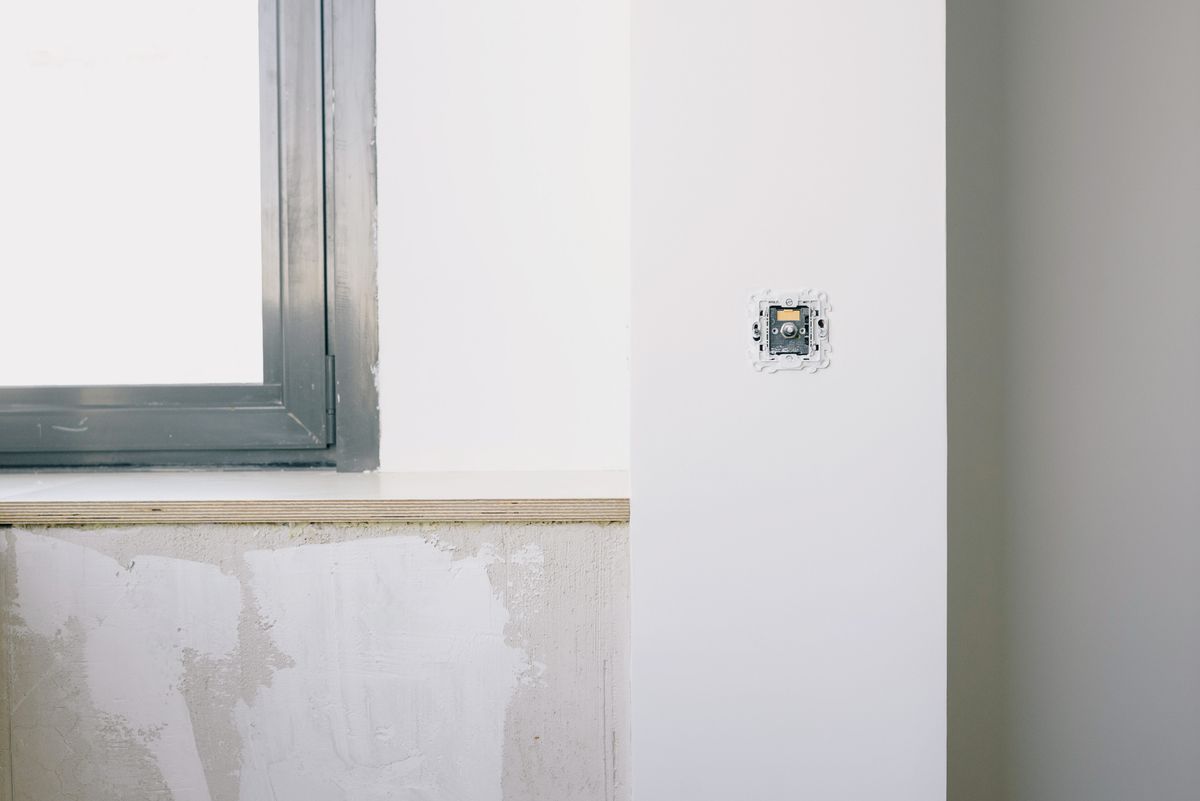
Short answer: A loose outlet is typically caused by worn metal tension springs inside the receptacle or an electrical box that has detached from surrounding drywall or wall studs. Because loose electrical connections generate heat, arcing, and fire hazards, a loose outlet should be repaired or replaced promptly rather than ignored.
Identifying Internal Wear Versus a Loose Junction Box
A loose outlet generally falls into one of two categories: mechanical failure inside the receptacle or structural movement of the wall box. Distinguishing between these conditions helps determine the necessary fix. Internal contact failure occurs when a plug sags, slips, or falls out of the wall easily. Inside every wall receptacle are spring-loaded brass contacts that grip the plug prongs. Over years of inserting and removing cords, these internal springs stretch and lose tension. Heavy transformer blocks, angled cords, and cords yanked out from a distance accelerate this tension loss. Box mounting failure occurs when the entire plastic or metal junction box shifts when pushing in or pulling out a plug. Junction boxes are secured either directly to wooden wall framing studs or attached to drywall using fold-out plastic mounting wings. If drywall crumbling occurs around the wall opening, or if mounting fasteners back out due to frame movement, the box becomes unstable inside the wall cavity.
Fire Hazards of Loose Contacts and Arcing
An outlet that fails to hold a plug firmly poses a serious safety threat. Electrical current relies on continuous, tight physical contact to flow smoothly from the receptacle to an appliance cord. When contacts become worn or loose, the physical contact surface area shrinks significantly. This restriction forces electrical current through small contact points, creating electrical resistance. High resistance produces localized heat inside the wall receptacle. In addition, gaps between metal prongs and internal contacts allow electricity to jump across the air space, creating electrical arcing. Arcing can melt surrounding plastic housing, char wire insulation, and ignite combustible wood framing or drywall paper behind the wall plate.
Safe Homeowner Checks and What Not to Touch
Before investigating a loose outlet, safety must come first. Never insert metal tools, screwdrivers, or fingers into receptacle slots, and never touch exposed wiring terminal screws. Homeowners can safely perform a few non-invasive checks:
- Test plug firmness with the power on using a light, low-draw appliance like a small desk lamp. If the plug falls out or sags, stop using the outlet.
- Check for physical movement by holding the outer plastic cover plate gently to see if the entire assembly shifts inside the wall opening.
- Check for signs of heat damage, such as discoloration, scorch marks, buzzing noises, or a faint burning smell near the wall plate.
If you notice heat, charring, or buzzing, turn off the circuit breaker controlling that outlet at the main electrical panel immediately. Do not attempt to bend internal brass contacts back into shape with pliers or insert objects into the slots to wedge plugs into place.
What a Licensed Electrician Tests and Repairs
Electrical work involving fixed building wiring in Texas must be performed by a licensed electrician, regulated by the Texas Department of Licensing and Regulation (TDLR). A professional electrician conducts a systematic diagnostic evaluation before making repairs. During an inspection, an electrician will:
- Shut off power at the main breaker panel and verify the circuit is dead using a calibrated voltage tester.
- Remove the faceplate to inspect the junction box mounting, securing loose screws to framing studs or replacing damaged snap-in drywall boxes with proper old-work electrical boxes.
- Inspect wire connections at the terminal screws for loose, charred, or nicked copper conductors.
- Evaluate older wiring types, such as aluminum wiring, which requires specialized aluminum-to-copper wire connectors and rated devices to prevent thermal expansion hazards.
- Check for proper grounding continuity and correct circuit polarity using specialized testing meters.
Repair Versus Replacement and Cost Factors
When an outlet's internal contacts lose tension, repair is not an option. Electrical code standards and safety guidelines mandate complete replacement of the wall receptacle. Receptacles are sealed devices, and attempting to modify or bend internal metal springs is unsafe and temporary. If the issue is strictly a loose junction box while the receptacle contacts remain tight, an electrician can re-anchor the box using box shims, leveling clips, or mounting screws driven directly into wall framing. Several factors drive the cost of repairing or replacing a loose outlet:
- Accessibility of the wall box, such as outlets located behind built-in cabinetry, high on walls, or inside tight closets.
- Box type and wall material, as plaster or tile walls require more labor to secure boxes than standard drywall.
- Overall condition of the branch circuit wiring behind the box, including short wires that require pigtail extensions.
- Wiring material compatibility, as aluminum branch wiring or ungrounded two-wire systems require specialized devices or retrofits.
- Needing to replace damaged wall boxes versus simply replacing the electrical device inside.
North Texas Home Factors Affecting Outlet Stability
Properties in the Dallas-Fort Worth region experience environmental conditions that directly influence electrical hardware stability. Highly expansive clay soil causes frequent seasonal movement in slab foundations, leading to subtle drywall shifting, cracked wallboard around outlet cutouts, and back-out of junction box mounting fasteners. Unconditioned spaces such as garages, covered patios, and attic-adjacent interior walls endure intense seasonal temperature spikes and high summer humidity. Moisture and extreme heat accelerate the degradation of plastic junction boxes, causing mounting tabs to snap or warp under normal plug insertion force. Garages also experience constant vibration from automatic garage door openers and heavy motorized lawn equipment, which slowly loosens outlet mounting screws over time. Furthermore, winter freeze events in North Texas lead to increased temporary reliance on high-wattage portable space heaters. Plugging heavy-draw heating appliances into older wall outlets degrades internal contact tension rapidly, turning minor contact wear into active thermal damage during cold snaps.
Common questions
Can I use electrical tape to hold a loose plug in the wall?
No. Using tape or plastic wedges to hold a plug in place does not fix the loose metal contact inside the receptacle. Intermittent contact will continue to generate electrical resistance and heat behind the plug, creating an active fire hazard.
Why does my outlet sink deep into the wall when I push a plug in?
A sinking outlet occurs when the mounting ears of the receptacle lose support against the drywall surface, or when the electrical box inside the wall has detached from the framing stud. An electrician can install box spacers or secure the wall box to keep the device flush.
How do I know if my loose outlet has aluminum wiring?
Homes built during the late 1960s and 1970s often feature aluminum branch circuit wiring. You can sometimes see wire colors behind the faceplate, but a licensed electrician should evaluate the circuit, as aluminum requires special CO/ALR rated outlets or specialized crimp connectors.