
Why Does My Circuit Breaker Keep Tripping?
Short answer: A circuit breaker trips because the circuit is drawing more current than it is designed to handle or because electricity is escaping its intended path. An...
By Everyday Home Advice Editorial Team
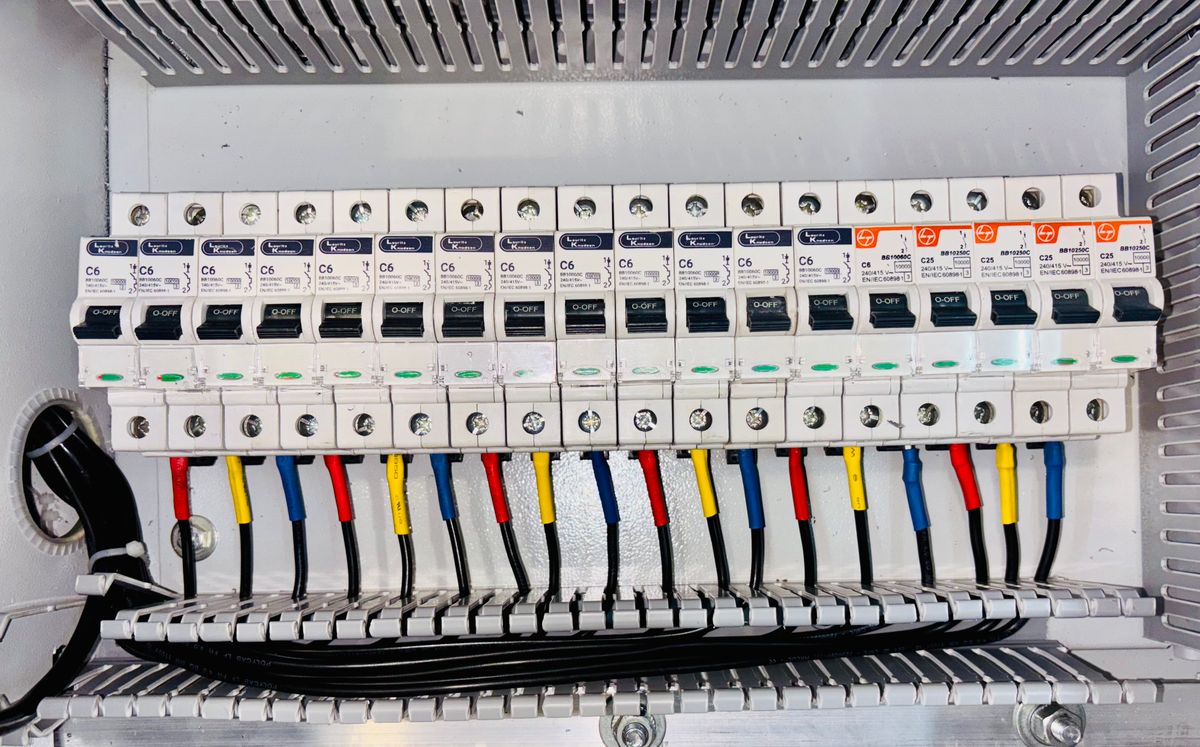
Short answer: A circuit breaker trips because the circuit is drawing more current than it is designed to handle or because electricity is escaping its intended path. An immediate trip upon reset indicates a direct short circuit or ground fault, while a trip after minutes or hours of operation usually signals a circuit overload, heat buildup, or a degrading breaker.
Identifying Circuit Breaker Symptoms
Observing when and how a breaker trips provides immediate clues about the underlying problem. An immediate trip happens the second you push the breaker switch back to the ON position. This action signals a hard short circuit, a severe ground fault in the wiring, or a shorted internal component in a plugged-in appliance. A delayed trip occurs after a device or circuit runs for several minutes or hours. This behavior typically points to a standard circuit overload, where total electrical draw slightly exceeds the rating, or internal heat accumulation inside a worn breaker switch.
Primary Causes of a Tripped Breaker
Circuit breakers protect your electrical system through several mechanisms, each responding to specific conditions: Circuit overload: Plugging too many energy-intensive devices into a single circuit pulls more amperage than the wiring can safely carry. Short circuit: A bare hot wire contacts a neutral wire, creating an immediate, massive surge in current. Ground fault: A hot wire touches a grounded metal box, bare copper ground wire, or moisture, causing electricity to divert safely to the ground. Arc fault: Damaged wiring, loose wire nuts, or crushed cords produce dangerous electrical arcing, which causes Arc Fault Circuit Interrupter (AFCI) breakers to open. * Worn component: Over years of operation, internal spring mechanisms and bi-metallic strips inside the breaker weaken, causing it to trip under normal electrical loads.
Safe Homeowner Checks and What Not to Touch
Homeowners can safely perform basic isolation steps before calling a professional. Unplug all devices on the affected circuit and switch off wall switches. Firmly reset the breaker by pushing the lever fully to the OFF position until it clicks, then back to the ON position. If the breaker holds, reconnect devices one at a time to identify if a single appliance causes the fault. Safety hazards require strict boundaries. Never repeatedly force a breaker lever to stay ON if it trips immediately. Do not remove the metal cover panel (dead front) to access exposed, energized bus bars. Never replace a tripping breaker with a larger amperage breaker, as running excess current through smaller gauge wires creates a serious fire hazard. If the panel smells like burning plastic, feels hot, or shows soot marks, shut off power and leave it alone.
Professional Diagnosis and Repair
An electrician holding a license through the Texas Department of Licensing and Regulation (TDLR) has the equipment needed to diagnose complex electrical failures safely. Professionals use clamp meters to measure live amperage draw, insulation testers to check for broken wire jackets hidden behind drywalls, and thermal imaging cameras to locate loose, overheating connections. Simple repairs involve replacing a worn breaker, tightening loose terminal screws, or swapping out damaged receptacles. If diagnostic testing reveals severely scorched bus bars, obsolete panel designs, or failing service entrance conductors, a full electrical panel upgrade or secondary subpanel installation may be required.
What Drives Cost and Prevention
Repair costs depend on the labor required to locate the fault, component costs, and the accessibility of the wiring. Isolating an open neutral or short circuit inside a completed wall or high attic takes significantly more diagnostic time than replacing a single faulty breaker inside an accessible panel. To prevent future trips, distribute high-wattage appliances across separate dedicated circuits. Avoid connecting multiple extension cords or power strips together. Ensure outdoor receptacles have weatherproof covers that stay closed when in use.
Dallas-Fort Worth Environmental Factors
The regional climate places unique stresses on residential electrical systems. During peak summer heat, attic temperatures rise dramatically, exposing attic air handlers and upper-story electrical wiring to extreme heat. High ambient temperatures increase electrical resistance in branch circuits, making breakers trip more easily under heavy cooling loads. Rodents seeking shelter in attics can chew through plastic wire insulation, causing unpredictable ground faults. During severe winter freezes, sudden heavy usage of portable space heaters frequently overloads older branch circuits. Outdoor circuits dedicated to pool pumps, landscape lighting, and irrigation controllers face rapid degradation from intense summer sunlight and torrential rainstorms, leading to frequent ground faults.
Common questions
Can I replace a 15-amp breaker with a 20-amp breaker to stop trips?
No. Circuit breakers are sized specifically to protect the gauge of wire installed in the wall. Installing a larger breaker on thinner wire allows conductors to overheat without tripping the breaker, creating a severe fire hazard.
Why does my breaker trip only when the air conditioner turns on?
An air conditioner draws a massive burst of current upon startup. A weak capacitor, an aging compressor motor, or loose electrical connections can cause this starting current to spike high enough to trip the circuit.
Is a warm breaker panel dangerous?
A panel cover can feel slightly warm during periods of heavy electrical usage. However, if a panel feels hot to the touch, smells like burning plastic, or produces buzzing noises, turn off main power and contact a licensed electrician immediately.
Why does heavy rain cause my outdoor breaker to trip?
Rainwater entering an unsealed outdoor receptacle, junction box, or exterior light fixture creates a conductive path between hot and ground conductors, triggering a ground fault trip.