
Why Is My Light Switch Buzzing?
Short answer: A buzzing light switch indicates either electrical arcing across loose connections or internal electromagnetic vibration within a dimmer device. Standard...
By Everyday Home Advice Editorial Team
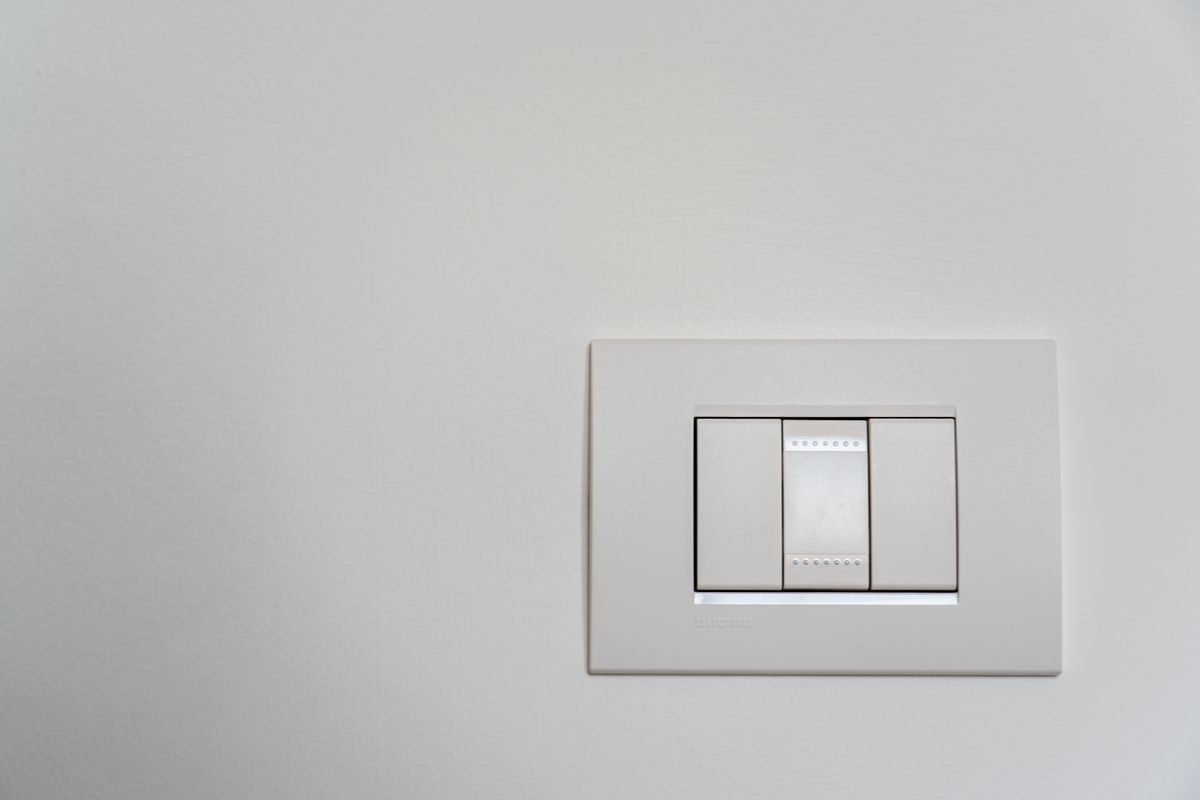
Short answer: A buzzing light switch indicates either electrical arcing across loose connections or internal electromagnetic vibration within a dimmer device. Standard mechanical wall switches should operate completely silently. A buzzing or crackling noise from a standard switch signals a loose wire terminal, worn internal switch contacts, or an overloaded circuit, all of which pose potential fire risks. Dimmer switches may produce a quiet hum due to rapid power modulation, but loud buzzing usually points to an incompatible light bulb or a failing control mechanism.
Identifying switch noise and severity
Understanding the exact sound coming from a switch box helps determine the urgency of the issue. A high-pitched, soft hum from a dimmer switch controlling dimmed lights often stems from normal electronic operation. The internal components rapidly interrupt current flow to decrease light output, which can physically vibrate components inside the switch or the bulb filament. A sizzling, crackling, or buzzing sound from a standard toggle switch is a serious symptom. This noise is caused by electrical arcing, where electric current jumps across a small gap between metal conductors inside the switch box. Arcing generates localized heat, degrades metal terminals, and oxidizes wiring. Left unaddressed, an arcing light switch can ignite surrounding wall insulation or wood framing inside the wall cavity.
Primary causes of light switch buzzing
Several distinct issues cause wall switches to make noise during operation:
- Loose wire terminal connections: Screws securing copper wires to the side of the switch can back out over time. Electrical current bridging these tiny gaps causes audible arcing.
- Worn internal contact points: Standard toggle switches rely on spring-loaded metal contacts inside a sealed housing. Over thousands of flipping cycles, these contacts pit, corrode, or lose tension, preventing a solid electrical connection.
- Dimmer and LED incompatibility: Solid-state dimmers chop alternating current to regulate light levels. Older dimmers designed for incandescent bulbs struggle with the driver circuits in modern LED bulbs, leading to electronic chatter and severe buzzing.
- Circuit overloading: Connecting light fixtures that exceed the wattage rating of a switch causes severe heat buildup and internal physical vibration.
Safe homeowner checks and safety precautions
Homeowners can safely perform basic visual and tactile checks without opening the electrical box or exposing live wiring. First, touch the faceplate lightly with the back of your hand. A standard toggle switch should never feel warm to the touch. A dimmer switch may feel slightly warm when operating at partial brightness, but it should never feel hot. Second, check the light bulbs connected to the circuit. If the switch is a dimmer, ensure the installed LED bulbs are explicitly labeled as dimmable. Swapping non-dimmable LEDs for dimmable models often resolves humming issues immediately. Never spray electrical contact cleaners, aerosol lubricants, or liquid solvents into the switch openings. These chemicals are flammable, can damage internal plastic components, and create an explosive hazard near arcing contacts. Do not probe inside the switch box with metal tools or screwdrivers while power is connected. If you notice a burning plastic odor, scorch marks on the wall plate, or active sparking, turn off the circuit breaker at the main electrical panel immediately.
Professional testing and repair options
Electrical repairs inside switch boxes require proper safety protocols and technical diagnosis. In Texas, electrical work on residential structures should be performed by an electrician licensed through the Texas Department of Licensing and Regulation (TDLR). A licensed electrician begins by shutting off circuit power and verifying zero voltage with a calibrated meter. They inspect the wire terminals, evaluate physical conductor condition, and check box fill capacities. For standard toggle switches experiencing arcing, complete replacement is the standard remedy. Standard switch bodies are sealed units that cannot be safely disassembled or repaired internally. If loose terminal screws are the only issue and the switch body remains undamaged, the electrician can strip fresh wire ends and torque the terminals to spec. When dealing with dimmer noise, the electrician tests the total wattage load, verifies line voltage stability, and installs a compatible electronic low-voltage or LED-rated dimmer switch designed specifically for modern lighting loads.
What drives electrical repair costs
The overall cost of resolving a buzzing switch depends on several technical factors:
- Device type: Basic single-pole toggle switches are quick to replace, while multi-way switches, smart controls, or specialized digital dimmers require more time and higher material costs.
- Conductor material: Mid-century homes built with aluminum wiring require specialized copper-to-aluminum pigtailing using rated connectors or CO/ALR devices to ensure fire safety.
- Wiring condition: Heat damage from arcing may require trimming back burnt conductors or pulling new wire from an adjacent junction box if the existing conductor length is too short.
- Electrical box accessibility: Outdated or damaged electrical wall boxes may require replacement, increasing time spent framing or patching wall openings.
North Texas environmental and housing factors
Dallas-Fort Worth homes face environmental and structural stressors that contribute directly to switch degradation. Extended summer heat waves drive attic temperatures to extreme levels. Switch boxes located on exterior walls or upper-story wall cavities absorb this ambient heat, accelerating thermal degradation of wire insulation and switch mechanisms. During peak summer months, residential air handling units and air conditioning compressors run continuously under heavy load. High current draw across the home electrical system creates voltage variations that amplify resistance issues at weak electrical switch contacts. Older mid-century neighborhoods across Dallas and Tarrant counties contain housing stock built during eras when aluminum branch circuit wiring was common. Aluminum expands and contracts significantly more than copper during temperature changes, causing screw terminals on standard switches to back out and initiate arcing over time. Additionally, regional expansive clay soils expand during wet periods and contract during dry weather. Moisture fluctuations cause foundation movement that transfers structural stress into interior wall framing. This micro-movement can dislodge loosely mounted junction boxes and loosen wire connections inside wall cavities over time.
Common questions
Is a buzzing light switch an immediate fire hazard?
A standard toggle switch that buzzes or crackles is an active electrical arcing hazard and should be turned off at the breaker immediately. A mild hum from a dimmer switch controlling LED lights is usually an electronic compatibility issue rather than an immediate fire risk, though it should still be evaluated if it grows loud or generates heat.
Why does my dimmer switch buzz only when lights are turned down low?
Dimmers chop the electrical current wave to reduce light output. At lower dimming levels, the rapid switching cycles occur at phase angles that generate higher mechanical resonance in the internal coils and LED drivers, resulting in a louder audible hum.
Will changing my light bulbs stop a dimmer switch from buzzing?
Yes, swapping non-dimmable LED bulbs for high-quality dimmable LEDs that match the switch manufacturer compatibility list frequently eliminates buzzing sounds without needing to replace the wall switch.
Can I tighten loose switch terminals myself?
Tightening terminals requires opening the junction box and working directly with branch circuit conductors. Because incorrect torque, damaged wire strands, or mismatched wire metals create serious fire risks, electrical repairs should be left to a TDLR-licensed electrician.