
Should I Close Vents in Rooms I Don't Use?
Short answer: No, you should not close supply vents in unused rooms. Closing registers increases static pressure inside your ductwork, forces your air handler blower motor to...
By Everyday Home Advice Editorial Team
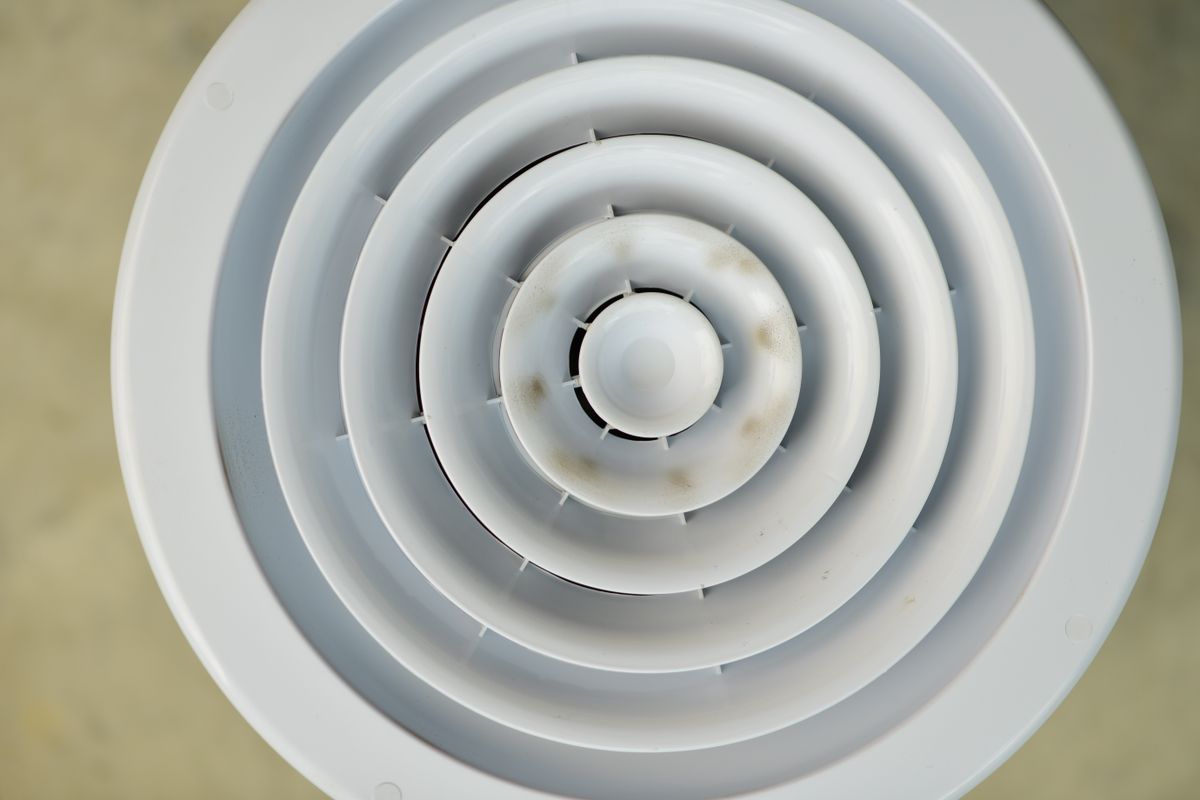
Short answer: No, you should not close supply vents in unused rooms. Closing registers increases static pressure inside your ductwork, forces your air handler blower motor to work harder, and lowers system efficiency. Instead of saving energy, closed vents can cause duct leakage, freeze evaporator coils during summer cooling, overheat furnaces in winter, and increase utility bills.
How Vent Closure Affects Static Pressure and Airflow
Central heating and cooling systems are engineered as balanced closed loops. An air handler moves a precise volume of air, measured in cubic feet per minute, across the indoor cooling coil or furnace heat exchanger. This air is distributed through supply ducts and returned to the air handler through return grilles. When you close a supply register, the air handler blower does not slow down or produce less air. Instead, the air encounters resistance, which causes static pressure inside the duct system to jump. Air within the system seeks alternative paths, which creates several mechanical issues: Excessive static pressure forces conditioned air out of minor gaps, seams, and duct connections before it reaches living spaces. Air forced through remaining open registers moves at higher velocities, creating whistling noises and drafts. Reduced overall airflow starves the evaporator coil during cooling cycles, preventing refrigerant from absorbing adequate heat. Reduced airflow over a gas furnace heat exchanger causes internal temperatures to spike quickly.
Risks and Damage Caused by Closed Registers
Closing registers does far more than alter room temperatures. It places unnecessary mechanical stress on your HVAC system and can lead to major component failures. In cooling mode, restricted airflow prevents heat transfer at the indoor coil. The refrigerant inside the coil stays cold enough to drop below the freezing mark, causing moisture pulled from indoor air to collect and freeze solid on the coil fins. A frozen coil blocks airflow completely, risks liquid refrigerant flowing back to damage the compressor, and floods furnace cabinets or ceilings when the ice thaws. In heating mode, restricted airflow causes heat to build up inside the furnace exchanger. High internal temperatures trigger the high-limit switch, turning off the burners to prevent damage. Repeated short-cycling against high-limit safety controls strains electrical components, degrades system efficiency, and can crack the heat exchanger, creating a severe safety hazard. Closed supply registers in unused rooms also lower room temperature and air movement, allowing indoor humidity to build up. Damp, stagnant conditions in unconditioned or closed-off rooms encourage mold growth on drywall, window sills, and ceiling trim.
North Texas Attic Conditions and System Performance
In Dallas-Fort Worth home design, air handlers and supply ductwork are predominantly installed inside attic spaces above slab-on-grade foundations. DFW attic temperatures routinely reach extreme heat levels during summer months. This environment makes register closure particularly damaging to local homes. When attic-mounted ductwork experiences elevated static pressure from closed registers, air leakage increases significantly at flex-duct connections and distribution boxes. Cool, conditioned air escapes directly into the superheated attic, forcing your cooling unit to run longer cycles to keep up with your thermostat setting. During DFW humidity spikes, keeping registers closed in unoccupied rooms isolates those spaces from central dehumidification. Stagnant, humid air gathers on interior surfaces, increasing the risk of surface mold. Conversely, during severe winter freeze events, completely closing supply registers in unused perimeter rooms can lower wall cavity temperatures enough to expose plumbing pipes within exterior walls to freezing conditions.
Safe Homeowner Checks and What Not to Touch
If you are experiencing uneven cooling or high utility costs, perform these safe inspections before making adjustments to your vents: Confirm that supply registers and return air grilles in every room are open, clean, and unobstructed by furniture, drapes, or rugs. Inspect your HVAC air filter. A clogged filter restricts system airflow in the same manner as closed supply registers. Verify that indoor doors remain slightly open or feature adequate undercut gaps so supply air can flow freely back to return grilles. Avoid touching or attempting specific adjustments yourself: Do not attempt to adjust manual inline balancing dampers located inside dark, high-temperature attic crawl spaces unless you can safely navigate ceiling joists. Do not open the electrical cabinet of your furnace or air handler, touch high-voltage wiring, or attempt to adjust blower motor speed settings. Never tamper with gas furnace manifold valves, gas lines, or safety limit switches. * Do not attempt to seal or alter refrigerant lines running to and from your outdoor condenser.
Professional Testing by a Licensed Technician
In Texas, HVAC contractors must be licensed through the Texas Department of Licensing and Regulation (TDLR). A licensed technician can diagnose airflow issues using specialized diagnostic tools rather than relying on register adjustments. During an airflow assessment, a technician measures Total External Static Pressure (TESP) across the indoor equipment using a dual-port digital manometer. High static pressure readings point toward restrictive ductwork, undersized returns, or blocked coils. Technicians also measure airflow volume at individual supply registers using a balancing hood (flow hood) to evaluate whether each room receives the correct amount of air. They test the temperature split across the indoor coil to verify that heat transfer is operating within design specifications, and they can conduct a duct leakage test using a duct blaster fan to quantify air loss into your attic.
Solutions, Repair vs. Replace, and Cost Drivers
If specific rooms in your home are uncomfortably cold or hot, shutting off vents is an ineffective fix. Licensed contractors offer several permanent solutions: Manual duct balancing: Technicians adjust inline volume dampers located at duct branch takeoffs near the main trunk line, gently tuning airflow without creating excessive backpressure. Duct repair and sealing: Mastic sealant and foil-backed tape applied to open attic ducts eliminate air loss, delivering full system capacity to living areas. * Zoning systems: Motorized dampers installed inside duct branches open and close automatically based on individual room thermostats, utilizing bypass dampers or variable-speed blowers to regulate pressure safely. When considering repairs, evaluate system age and equipment type. If your air handler uses a basic single-speed blower motor paired with aging flex ductwork that has torn or collapsed inner liners, investing in custom duct modifications or zoning may not be cost-effective. Upgrading to a modern variable-speed, multi-stage HVAC system paired with properly sized ductwork resolves airflow imbalances, improves humidity control, and reduces ongoing power consumption. Key cost drivers for airflow repairs include ductwork accessibility in tight attic spaces, the total number of supply branches requiring balancing dampers, the complexity of adding bypass ductwork for zoning, and whether duct sections must be completely replaced.
Common questions
Is it okay to partially close a supply register?
Closing a register slightly to redirect airflow direction is acceptable, but louvers should remain at least three-quarters open. Partially closing vents to restrict airflow still raises static pressure inside the duct system.
Should I keep interior room doors open or closed?
Keep interior doors open or cracked whenever possible. Closed doors prevent supply air from returning to central return grilles, building positive air pressure inside the bedroom and negative pressure in central hallways.
What should I do if one room is much hotter than the rest of the house?
Inspect the room for blocked registers, thin window coverings, or unsealed exterior doors. If those elements are clear, hire a licensed contractor to inspect duct insulation, check for detached attic ducts, or perform manual duct balancing.
Does closing vents save money on utility bills?
No, closing vents does not lower energy usage. The air handler motor continues drawing electricity to push air against increased resistance, while system duct leaks and longer run times often cause utility bills to rise. What Homeowners Can Check Before Calling for AC Repair Should I Repair or Replace My HVAC System? How Often Should You Change Your HVAC Filter? Why Is One Room Hotter Than the Rest? * The Complete Guide to Heating & Cooling in Dallas–Fort Worth