
How Do I Know If My Roof Is Leaking?
Short answer: You can tell your roof is leaking by identifying interior water stains, peeling paint, damp attic insulation, rusted decking nails, or damaged shingles and...
By Everyday Home Advice Editorial Team
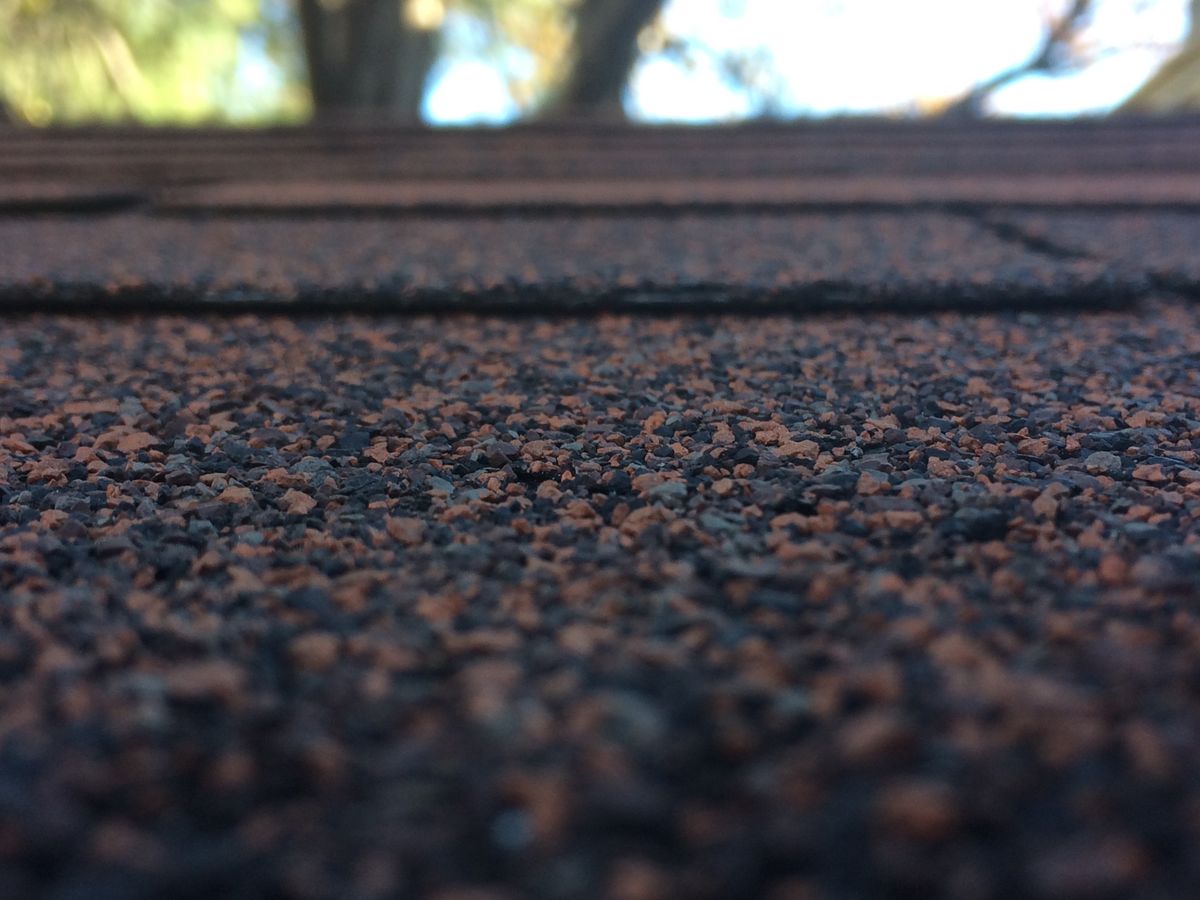
Short answer: You can tell your roof is leaking by identifying interior water stains, peeling paint, damp attic insulation, rusted decking nails, or damaged shingles and flashing on the exterior. Because water travels along roof rafters and underlayment before dripping onto ceilings, the interior stain rarely appears directly below the actual roof penetration.
Identifying Symptoms Inside and Outside the Home
Roof leaks present different warning signs depending on where the water enters and how far it travels. Catching these indicators early prevents structural decay and mold growth inside walls and ceiling cavities.
Interior Warning Signs
Water entering the living space often creates discolored rings on drywall. These stains range from faint yellow to dark brown. You may also notice:
- Peeling, bubbling, or sagging paint along ceilings and upper wall corners.
- Damp or discolored drywall around ceiling light fixtures and supply vents.
- Active dripping during rainfall or immediately after a severe storm.
- Musty odors in upper-story rooms or directly beneath the attic.
Attic Warning Signs
An attic inspection often reveals leaks long before water breaks through living area drywall. Key attic indicators include:
- Dark stains, water streaks, or white mineral deposits along wood rafters, trusses, and plywood decking.
- Clumped, compressed, or wet insulation.
- Rusted nails sticking through the underside of the roof deck.
- Daylight visible through the roof boards around valleys, chimneys, or vent pipes.
Exterior Warning Signs
Exterior damage reduces the roof's ability to shed water. Look for:
- Missing, cracked, lifted, or curling asphalt shingles.
- Large accumulations of dark shingle granules inside gutters and at downspout outlets.
- Lifted, cracked, or missing flashing around chimneys, skylights, and plumbing vent stacks.
- Sagging sections along the roof ridge or exterior eaves.
How Water Travels: Roof Leaks vs. HVAC and Plumbing Issues
Water rarely takes a straight downward path through a roof. When rain penetrates shingles or flashing, it hits the water-resistant underlayment or wooden decking. From there, gravity pulls the water down the slope of the roof, along rafters, or across horizontal ceiling joists. Water drops only when it reaches a seam in the decking, a joint in the framing, or a low point in the ceiling drywall. A stain in a hallway ceiling can easily originate from a flashing failure ten feet away near the roof ridge. In Dallas-Fort Worth homes, ceiling stains do not always stem from rain. Many local residences feature HVAC air handlers located inside the attic. During hot summer months, a clogged condensate drain line or rusted primary drain pan in the attic unit can overflow, spilling water directly onto ceiling joists. To distinguish a roof leak from an HVAC or plumbing issue, monitor when the water appears:
- A roof leak typically drips or worsens during active rainfall and wind events.
- An HVAC condensate overflow occurs during peak summer cooling periods, even under clear skies.
- A plumbing pipe leak creates continuous dampness or dripping regardless of weather or A/C operation.
North Texas Climate Factors That Accelerate Leaks
Severe local weather patterns place heavy physical stress on roofing assemblies. High wind-driven rain during spring and fall thunderstorms can force moisture upward under shingle laps and around step flashing installed against exterior wall junctions. Standard flashing sheds gravity-driven vertical rain, but powerful wind gusts drive water sideways into unprotected roof joints. Severe spring hail events present another major threat to DFW roofs. Hail strikes dislodge protective mineral granules from asphalt shingles and bruise the underlying fiberglass mat. While a hail strike may not puncture the roof immediately, the loss of granules exposes the raw asphalt beneath to intense solar ultraviolet radiation. Over subsequent months, the exposed area degrades, cracks, and eventually leaks. Extreme summer heat also shortens the lifespan of roof components. Unventilated attic spaces frequently reach elevated temperatures in July and August. This heat bakes neoprene rubber gaskets surrounding plumbing vent stacks, causing them to crack and split within a few seasons. Heat also dries out asphalt sealants, breaking the bond between shingle courses and allowing wind to lift shingle tabs. Winter freeze events bring occasional ice accumulation. Water trapped behind ice or melting snow refreezes in microscopic cracks around flashing, expanding the gaps and breaking water-tight bonds.
Safe Homeowner Inspections and Safety Boundaries
Homeowners can safely perform basic visual checks to spot leaks without putting themselves in danger. Walk around the exterior of your home after major storms using binoculars to check for missing shingles, bent flashing, or pulled gutter hangers. Inside the home, safely enter the attic space using a bright flashlight during daylight hours. Look up at the underside of the roof deck for dark streaks or damp spots. If it is raining, listen for dripping sounds and trace wet spots on the framing back to their highest point.
Safety Limits and What Not to Touch
Never walk on a wet, steep, or storm-damaged roof. Climbing onto a compromised structure poses severe falling hazards. Additionally:
- Do not poke or press aggressively into water-bulged ceiling drywall. The weight of trapped water can cause a sudden drywall collapse. Place a deep bucket beneath the bulge and carefully pierce the center with a small nail to drain the trapped water safely into the container.
- Do not touch exposed electrical wiring near damp drywall or inside an attic with active water entry.
- Avoid entering an attic during extreme summer afternoons when high heat poses a severe risk of heat exhaustion.
Professional Diagnostic Methods and Repair Options
When a leak is difficult to pinpoint, professional roofing contractors use specialized diagnostic techniques. Technicians utilize moisture meters to read moisture content beneath surface drywall and thermal imaging cameras to map temperature drops caused by evaporating moisture behind walls. In complex cases, contractors perform isolated water spray tests, soaking individual roof penetrations, valleys, and wall intersections sequentially to observe where water penetrates.
Repair Options
Depending on the extent of the damage, repairs generally involve:
- Flashing and boot replacement: Swapping cracked rubber pipe boots or re-sealing compromised wall flashing and valley metal.
- Localized shingle replacement: Removing damaged shingle courses, replacing rotted decking beneath, putting down new underlayment, and weaving in matching shingles.
- Roof replacement: Full replacement becomes necessary when shingles have lost widespread granule coverage, underlayment has degraded across large sections, or structural wood decking has suffered extensive rot.
What Drives Repair and Replacement Costs
Roofing costs depend heavily on several physical factors:
- Roof pitch and accessibility: Steeper slopes and multi-story homes require specialized staging, safety rigging, and additional labor hours.
- Decking condition: Replacing rotted plywood or OSB decking beneath damaged shingles increases material and labor requirements.
- Material quality: Heavyweight architectural shingles, synthetic underlayments, and custom metal valley liners vary in quality and longevity.
- Penetrations and roof complexity: Roofs with numerous valleys, dormers, chimneys, and pipe vents require far more labor-intensive custom flashing work than simple gable roofs.
Preventing Roof Leaks in North Texas
Regular maintenance helps mitigate roof damage caused by severe weather and thermal stress:
- Inspect rubber pipe boots every few years and replace torn or cracked collars promptly.
- Keep gutters and downspouts clear of leaves and debris to prevent water from backing up beneath lower shingle edges and fascia boards.
- Trim overhanging tree branches away from the roof line to eliminate scraping during high winds and reduce leaf accumulation in roof valleys.
- Conduct a visual attic check every spring and fall to spot minor wood staining before it damages interior ceilings.
Common questions
Can a roof leak without causing an immediate ceiling stain?
Yes. Water can pool in thick attic insulation or travel along wood rafters for a long period before reaching drywall. The wood and insulation absorb moisture initially, delaying visible ceiling spots until the materials reach full saturation.
Are roofing contractors licensed by the state of Texas?
No. Texas does not require a statewide license for general roofing contractors. However, specialized trades involved in surrounding systems, such as plumbers repairing roof vent pipes, mold remediation contractors handling mold removal, and air conditioning contractors servicing attic HVAC units, are licensed through the Texas Department of Licensing and Regulation (TDLR).
How do I tell if a ceiling leak is from my roof or my A/C unit?
Check the timing and location. If the stain darkens or drips during rainstorms, it points to a roof leak. If the dripping occurs during hot summer days when your air conditioner runs constantly, check the attic A/C drain pan and condensate line for clogs.
Will small hail cause an immediate roof leak?
Small hail usually does not puncture shingles to cause immediate leaks. However, it knocks off protective granules. Solar exposure degrades the unprotected asphalt over time, leading to leaks months or years after the hail storm.