
Should I Repair or Replace My Roof?
Short answer: Repair your roof if damage is localized to a small area, such as a few blown-off shingles or a failed pipe boot, and the surrounding roofing materials remain...
By Everyday Home Advice Editorial Team
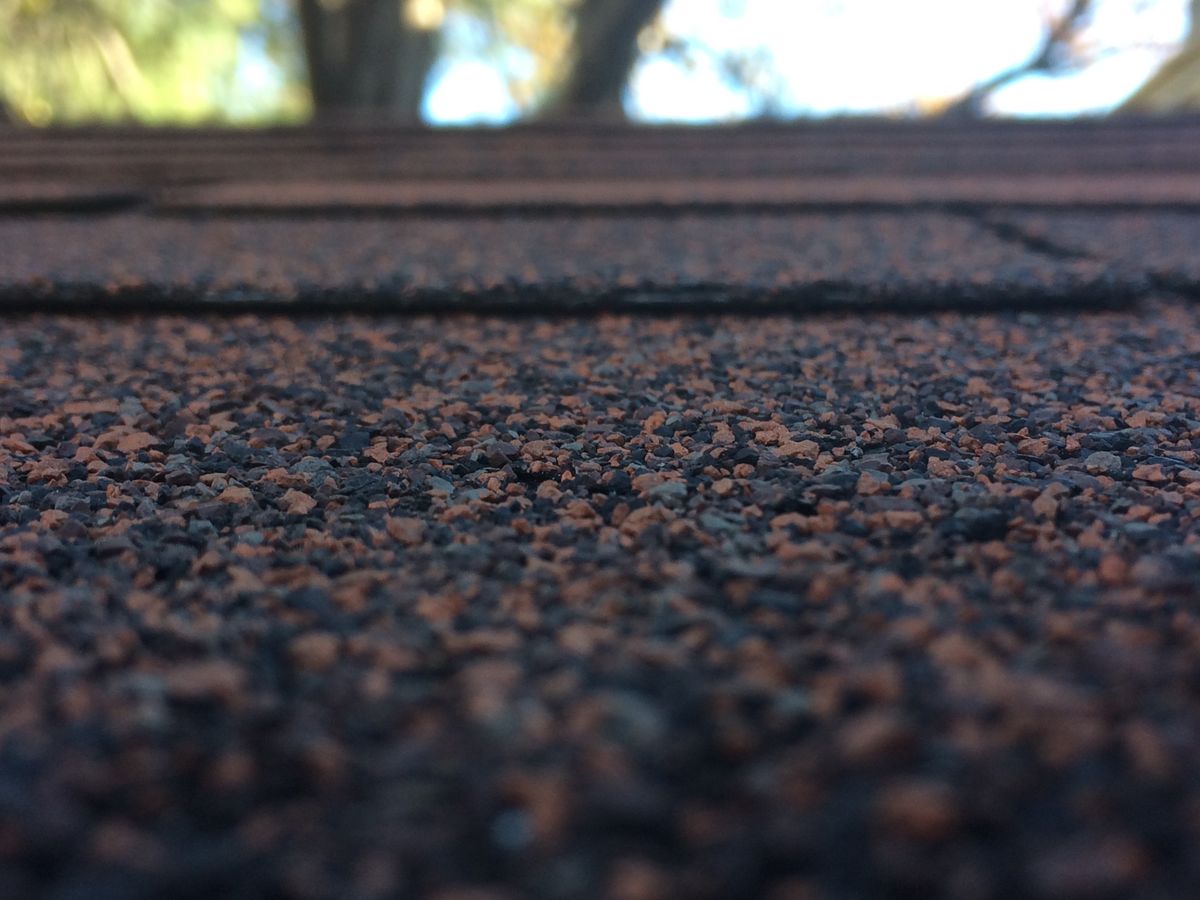
Short answer: Repair your roof if damage is localized to a small area, such as a few blown-off shingles or a failed pipe boot, and the surrounding roofing materials remain flexible and intact. Choose replacement when damage extends across multiple slopes, when shingles show widespread granule loss and brittleness, when structural decking is soft or rotted, or after a severe storm fractures the underlying fiberglass mat across the entire roof assembly.
Spotting Roof Damage and Understanding the Causes
Roof deterioration shows up in specific ways, depending on whether the cause is environmental exposure, mechanical impact, or structural movement. Visual signs of damage include missing shingle tabs, heavy accumulation of dark mineral granules in gutters, curled shingle edges, and dark water stains on interior ceilings or attic rafters. Understanding what causes these symptoms helps determine the scope of the problem: Wind displacement: Strong gusts break the thermal sealant strip holding shingles together, lifting individual tabs or tearing entire strips off the roof decking. Hail impact: Falling hail strikes the roof surface, knocking away protective granules and fracturing the internal fiberglass mat underneath. This creates soft spots that allow water to penetrate over time. Thermal degradation: Intense sunlight and heat cook the asphalt layer, causing oils to evaporate. This leaves shingles stiff, cracked, and prone to breaking during minor weather events. Structural shifting: Movement in the home's framing, often driven by expanding and contracting clay soils beneath the foundation, puts tension on flashing joints around chimneys, walls, and roof valleys, breaking watertight seals.
Safe Homeowner Checks and Safety Limits
Homeowners can perform basic roof inspections safely without climbing onto the roof structure. Performing ground-level and attic checks helps spot trouble early while avoiding fall hazards. From the ground, walk the perimeter of the home using binoculars to inspect shingle lines, ridge caps, and valley seams. Look for missing pieces, lifted edges, or exposed nail heads. Check gutter outlets and downspouts for dense piles of loose granules, which indicate that shingles are losing their protective upper coating. Inside the home, access the attic during daylight hours with a bright flashlight. Turn off the attic lights and look toward the roof ridge, eaves, and penetrations for daylight showing through the decking. Use the flashlight to check rafters, plywood seams, and insulation for dark water rings, active dampness, or surface mold. Never step onto a steep, high, wet, or aging roof. Walking on fragile shingles can cause immediate structural damage and creates a serious fall risk. Do not attempt to lift adhered shingles, pry up flashing, or cut into underlayment. Avoid working near overhead utility service lines, and never touch wet electrical wiring near an active attic leak.
Weighing Repair Options Against Full Replacement
Deciding between a localized repair and a full roof replacement comes down to the age of the system, the extent of the physical damage, and the condition of the underlying substrate. A repair is appropriate when the issue is confined to a distinct zone. Replacing a single damaged pipe boot, patching a few lifted shingles on one slope, or resealing a step flashing detail around a dormer works well when the surrounding asphalt remains pliable and the underlying felt paper is dry. A full replacement is necessary when material failure is widespread. If shingles across all slopes are brittle, cupped, or missing large amounts of granule coating, localized repairs will not hold. Multiple active leaks in different rooms, widespread mat fractures from hail, or sagging decking caused by prolonged water exposure require removing the old system down to the wood framing and installing new underlayment, flashing, and shingles.
What Professional Inspectors Evaluate
A thorough roof assessment by a professional contractor goes beyond surface appearance. Inspectors evaluate the complete roofing assembly to determine its structural integrity and remaining service life. The evaluation includes checking the firmness of the wood decking, measuring attic ventilation to ensure air intake and exhaust are balanced, examining valley underlayment materials, and inspecting counter-flashing embedded in masonry walls or chimneys. Inspectors also look for hidden moisture under intact shingles using thermal imaging or moisture meters. In Texas, general roofing contractors are not licensed by the state, unlike plumbers, electricians, or air conditioning contractors who hold state licenses through the Texas Department of Licensing and Regulation (TDLR). Homeowners should confirm that a roofing contractor carries general liability insurance, holds local municipal registrations where required, pulls necessary building permits, and follows manufacturer installation specifications.
Factors That Drive Roof Repair and Replacement Costs
The financial scope of a roofing project depends on several structural and material variables rather than simple square footage alone. Key drivers of roof repair and replacement scope include: Roof pitch and complexity: Steeper slopes require specialized safety rigging and extra labor. Roofs with multiple gables, valleys, dormers, and skylights require significantly more flashing detail work than a simple gable roof. Decking replacement: If leaks have gone undetected, rotten plywood or OSB decking must be torn out and replaced before new underlayment can be applied. Material layers: Tearing off multiple layers of old shingles increases labor and disposal requirements. Penetrations and flashings: The number of plumbing stacks, attic vents, furnace flues, and wall intersections dictates how much custom metal fabrication and seal work is needed. Material selections: Heavy architectural shingles, synthetic slates, standing-seam metal panels, and high-performance synthetic underlayments alter total material requirements. Post-storm demand: Widespread weather events temporarily increase regional demand for skilled labor and raw materials.
North Texas Climate and Building Stress Factors
Roofing systems in the Dallas-Fort Worth area face extreme operational stress due to distinct regional weather patterns and soil conditions. Summer heat superheats unvented attic spaces, creating extreme temperature differentials between the outdoors and the interior decking. This severe heat bakes asphalt materials from both top and bottom, drying out neoprene rubber pipe boots and causing asphalt sealant strips to degrade faster than expected. Spring thunderheads bring large hail and severe straight-line winds. Hail impacts fracture shingle mats without always creating immediate leaks, leading to slow leaks months later as rain washes exposed asphalt away. Strong winds catch exposed ridge caps and gable edges, peeling back compromised tabs. Additionally, seasonal shifts cause swelling and shrinking in local expansive clay soils. As foundations rise and settle with changing soil moisture, the home's timber framing flexes. This movement pulls wall flashings away from siding and cracks rigid sealant beads along chimney bases, creating entry points for driven rain even when shingles appear intact.
Preventing Roof Failures and Extending Service Life
Proactive maintenance prevents small defects from escalating into structural failures. Keeping roof components clean and well-maintained extends the operational lifespan of the entire assembly. Clear leaves, pine needles, and branches from roof valleys and gutter troughs. Clogged gutters trap standing water against the roof edge, backing moisture up under the starter shingles and rotting the fascia boards. Trim tree branches so they hang well clear of the roofline, preventing mechanical scraping and keeping shade from trapping dampness on northern slopes. Inspect rubber plumbing vent boots every few years, as UV exposure causes rubber seals to split long before asphalt shingles wear out. Ensure soffit vents remain unobstructed by attic insulation so cool air can flow freely into the attic space and exhaust through ridge or turbine vents, keeping deck temperatures within normal limits.
Common questions
Can I install a new layer of shingles over my existing roof?
Installing new shingles directly over an existing layer hides damaged decking, seals in existing heat, and reduces the wind resistance of the new shingles. Most modern building codes and manufacturer warranties require tearing off old roofing materials down to the wood deck to inspect for hidden rot and ensure proper fastener penetration.
How does hail damage differ from ordinary material aging?
Ordinary aging causes uniform granule loss, subtle surface cracking, and edge curling across all slopes over many years. Hail damage creates sharp, localized circular indentations that dislodge granules in distinct spots, exposed black asphalt, and fractured underlying fiberglass mats on the specific slopes exposed to the storm direction.
Will repair shingles perfectly match my current roof color?
Matching existing shingles is difficult. Even if the exact manufacturer and color name are installed, years of direct sunlight and weather exposure fade the original shingles. A patch repair will usually appear darker or slightly different in tone than the surrounding roof plane.
Is a ceiling stain always caused by a roof leak?
Not always. While roof leaks are a primary cause, ceiling stains can also stem from sweating air conditioning ductwork in the attic, overflowing condensate drain pans, or leaking upper-story plumbing supply and drain pipes. Checking the attic directly above the stain helps identify the true source.