
Roof & Exterior Home Guide: Leaks, Windows, Siding & Weather Damage
Short answer: Exterior damage often presents as indoor ceiling stains, window condensation, damaged siding, or standing water around foundation edges. Protecting a home...
By Everyday Home Advice Editorial Team
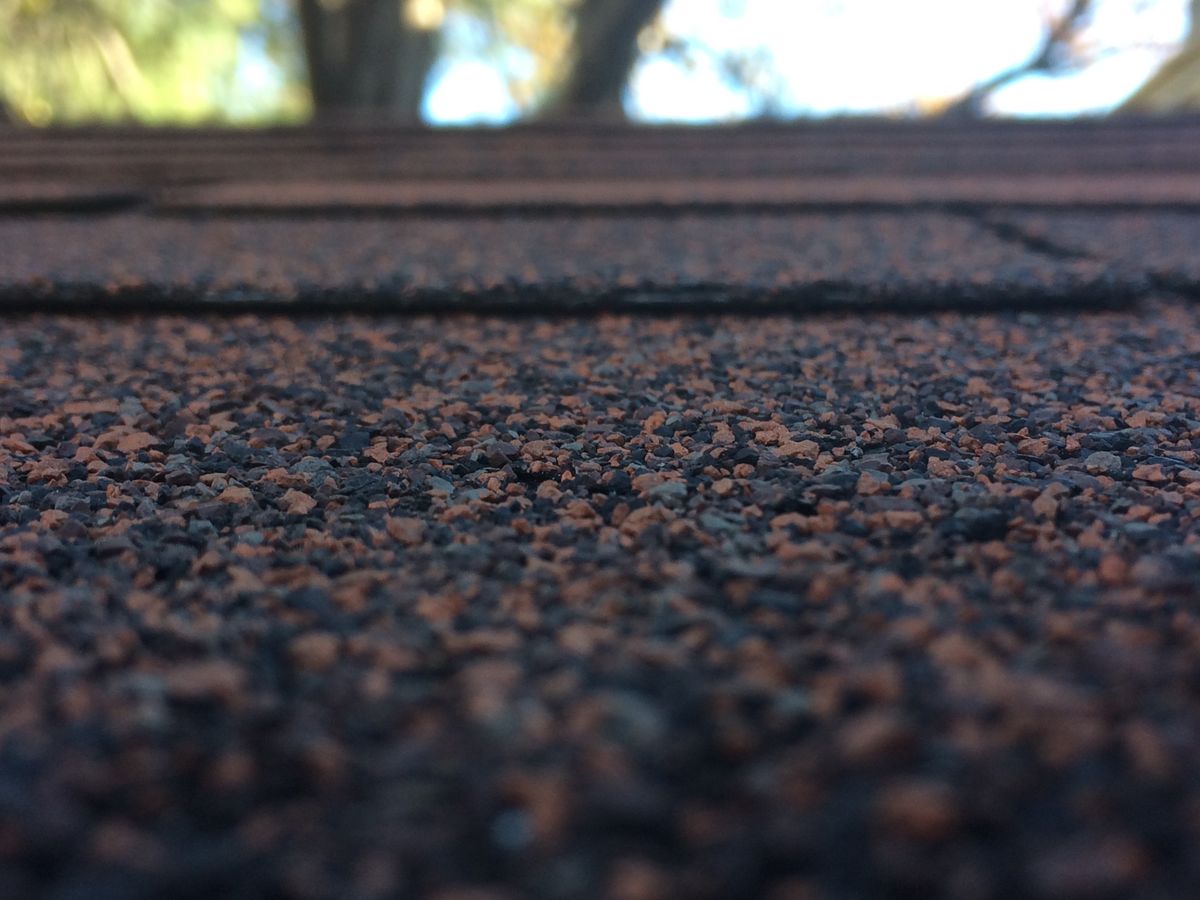
Short answer: Exterior damage often presents as indoor ceiling stains, window condensation, damaged siding, or standing water around foundation edges. Protecting a home requires identifying whether water enters through damaged roofing, compromised flashing, failed caulk seals, or HVAC lines in the attic. Regular visual inspections from the ground, maintaining clean gutters, addressing roof penetration failures promptly, and keeping exterior caulking intact help prevent structural wood rot and foundation movement in the Dallas-Fort Worth area.
Exterior Damage Symptoms and Likely Causes
Identifying the entry point of exterior moisture requires matching specific symptoms inside or outside the home with potential failures in the building envelope.
- Ceiling Stains: Brown rings or sagging drywall can indicate a leaking roof shingle, degraded pipe boot flashing, or a clogged primary condensate drain on an attic air handler.
- Window Condensation or Drafts: Fog between double-pane glass signals a failed thermal seal. Moisture on the room-side surface points to high indoor humidity, while cold air currents indicate worn weatherstripping or exterior sealant failure around the casing.
- Siding Cracks or Buckling: Physical impact from windborne debris or hail can crack siding panels. Buckling or warping often occurs when moisture leaks behind the cladding and swells the underlying structural sheathing.
- Water at the Foundation Line: Overflowing gutters, misdirected downspouts, or improper ground slope cause pooling water next to the home, which accelerates soil movement around concrete slab foundations.
Roof Leaks, Water Intrusion, and Flashing Issues
Water rarely travels straight down through undamaged shingles. It usually enters at roof penetrations, flashing joints, or along valley seams where water concentrates during intense downpours. Attic air handlers are frequent sources of ceiling stains in North Texas homes. When the primary HVAC condensate drain line clogs, moisture overflows into secondary drain pans or directly onto attic floor joists. Distinguishing between a plumbing or HVAC leak and a roof leak involves inspecting the attic during active rainfall. If the leak occurs only during severe weather and originates near a plumbing vent, chimney, or roof valley, compromised flashing or impact-damaged asphalt shingles are likely responsible. Small roof leaks can remain hidden inside attic insulation for months before showing up on drywall. Unaddressed leaks rot structural roof decking, promote fungal growth, and compromise wood ceiling framing.
Window Condensation, Drafts, and Siding Defect Evaluation
Windows and exterior cladding serve as the secondary line of defense against weather intrusion. When window seals fail, inert gas escapes from between the insulated glass panes, lowering window thermal performance and allowing moisture vapor to condense internally. Exterior siding requires intact expansion joints and functional flashing over window and door heads. When expansive clay soils expand or shrink, the movement shifts concrete slab foundations. This shifting distorts window bucks, opens seams between siding panels, and cracks exterior caulk lines. Homeowners should inspect window perimeter caulk, mortar joints around brick veneer, and siding lap seams annually to ensure water cannot penetrate behind exterior walls.
Safe Homeowner Checks and Professional Testing
Homeowners can safely perform basic visual checks from the ground or using binoculars. Look for missing asphalt shingle tabs, granule accumulation in gutter troughs, cracked boot seals around plumbing vents, and gaps in siding trim.
What Homeowners Should Not Touch
Avoid walking on steep or high-pitched roof decks. Stepping on sun-softened shingles can cause surface damage, and fall hazards increase significantly on multi-story structures. Homeowners should also avoid opening main electrical panel covers, touching overhead service drops near the roofline, or attempting direct repairs on high-voltage attic equipment.
Professional Diagnostic Methods
A licensed A/C contractor or licensed plumber evaluates internal mechanical lines and drain pans, while professional roofing contractors perform moisture meter testing, thermal imaging camera scans, and attic framing assessments to locate hidden leak paths without destructive teardowns.
Repair Versus Replacement Guidelines and Cost Factors
Choosing between spot repairs and full replacement depends on the overall age, material condition, and extent of the damage.
- Roofing: Isolated damage from wind or pipe boot dry rot usually calls for localized flashing replacement or shingle repairs. If asphalt shingles show widespread granule loss, severe hail bruising, or curling across multiple slopes, complete replacement is warranted.
- Windows: Defective weatherstripping or dried caulk requires simple maintenance. However, broken thermal window seals or rotted wood window frames typically require replacement of the sash or complete window unit.
- Siding: Individual cracked vinyl or fiber-cement boards can be unclipped or removed and replaced. Extensive substrate decay behind the cladding requires removing large sections of siding to replace rotted sheathing and weather-resistive barriers.
Total project costs depend on roof slope pitch, building height, material availability, labor complexity, and structural repairs beneath the surface layer.
North Texas Climate Concerns and Prevention
Dallas-Fort Worth homes face environmental stressors that accelerate building exterior wear:
- Spring Hail and High Winds: Severe thunderstorms generate large hail and wind gusts that fracture shingle matting, dent gutters, and split siding.
- High UV Exposure: Summer heat and intense sunlight dry out roofing caulk, elastomeric roof sealants, and window caulking, leading to premature cracking.
- Winter Freeze Events: Freezing temperatures split uninsulated exterior hose bibs and outdoor piping, allowing water to back up into exterior walls.
- Expansive Clay Soil: Soil shrinkage during dry periods and swelling during heavy rains causes movement in concrete slab foundations, pulling apart window trim and exterior siding joints.
- Attic Air Handlers: Placing A/C equipment in hot attic spaces increases condensate generation, requiring regular drain line maintenance to prevent ceiling damage.
Texas does not issue a statewide license for general contractors or roofing contractors. However, air conditioning contractors, plumbers, and mold remediation contractors must hold active licenses issued by the Texas Department of Licensing and Regulation (TDLR).
Common questions
How often should gutters be cleaned in DFW?
Gutters should be cleaned at least twice a year, typically in late spring after tree pollen drops and late autumn after leaf fall, to ensure proper runoff drainage during heavy rains.
Why do granules collect in my gutters?
Asphalt shingles shed small amounts of protective mineral granules normally over time. Excessive granule loss in gutters indicates advancing shingle age or severe impact damage from hail.
Can foundation movement cause window leaks?
Yes. Expansive clay soil movement alters the frame alignment of windows and doors, cracking surrounding exterior caulk and breaking window weather seals.
Who regulates mold contractors in Texas?
Mold remediation contractors and assessors are licensed and regulated statewide by the Texas Department of Licensing and Regulation (TDLR).