
What Are the Signs That a Roof Needs Replacement?
Short answer: A roof requires replacement when physical deterioration spans entire slopes, including widespread shingle cracking, edge curling, heavy granule loss, structural...
By Everyday Home Advice Editorial Team
Short answer: A roof requires replacement when physical deterioration spans entire slopes, including widespread shingle cracking, edge curling, heavy granule loss, structural decking sag, or extensive hail impact damage. Single missing shingles, isolated pipe boot failures, or localized leaks are repair items. Full replacement becomes necessary when the underlying waterproof layer or matting fails across large areas, making ongoing repairs ineffective.
Key Physical Signs of Widespread Roof Failure
Identifying whether a roof needs full replacement starts with looking for signs of widespread systemic aging versus isolated damage.
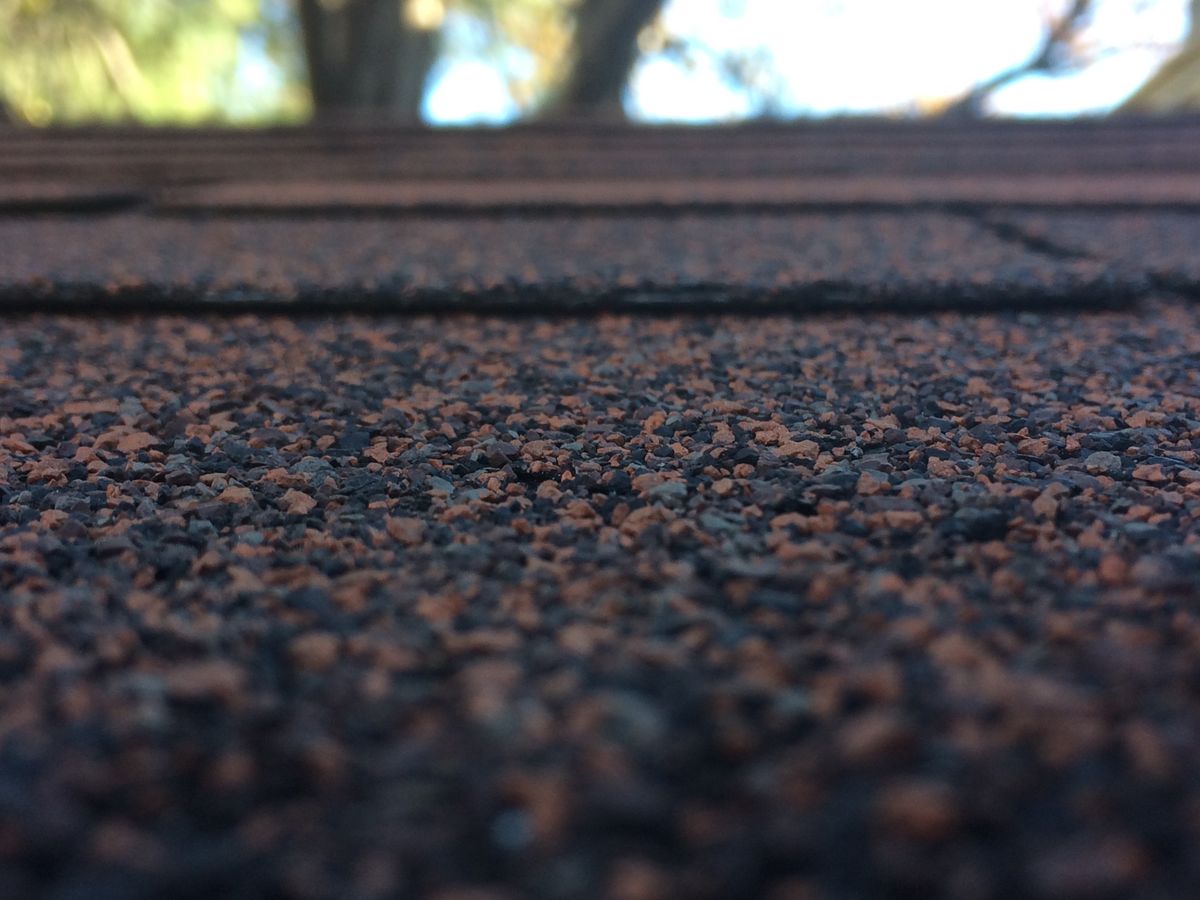
- Granule loss across large areas: Granules protect asphalt shingles from ultraviolet light. When granules wash away, exposed asphalt dries out and cracks. Large piles of granules at downspouts indicate advanced mat exposure.
- Cupping, curling, and clawing: Shingle edges turning upward or middle sections bulging downward signal that the asphalt layer has dried out and lost adhesion to the fiberglass backing.
- Thermal cracking and splitting: Straight cracks running across multiple shingles happen when mats lose flexibility and break under temperature changes.
- Sagging roof deck lines: A dipped or wavy roofline indicates compromised decking boards or structural framing issues beneath the shingles, often caused by long term water intrusion.
- Multiple active leak locations: Water entering the attic through several different valleys, penetrations, or rafter bays means the protective underlayment has failed beyond a single patchable point.
Climate Factors Accelerating Roof Wear
Environmental factors in the Dallas-Fort Worth region accelerate roof wear long before a shingle reaches its rated manufacturer lifespan. Intense summer sun generates extreme surface temperatures on asphalt shingles. This continuous thermal exposure bakes out essential volatile oils in the asphalt binder, rendering shingles brittle and susceptible to cracking. High ambient temperatures combined with unvented attic heat cook shingles from both top and bottom, weakening the factory sealant strips that bind course layers together. Severe weather events introduce unique risks. Large hail impacts fracture the underlying fiberglass mat beneath the granule layer. Even if a shingle remains attached, a fractured mat loses its waterproofing capability and will leak during subsequent rains. Strong wind gusts lift loosened shingle tabs and pull off ridge caps along roof peaks. In this region, severe hail and wind storms are a primary reason roofs require replacement before their expected age limit, with insurance claim scopes frequently dictating full replacement rather than simple wear and tear.
Safe Homeowner Inspection Procedures
Homeowners can safely monitor roof condition without stepping onto the roof surface.
- Ground level exterior visual checks: Use binoculars or a mobile device with high zoom to scan every roof slope. Look for uneven color, missing tabs, buckled valleys, or lifted ridge caps.
- Downspout and gutter checks: Inspect downspout outlets and gutter troughs after heavy rain. Fine grit resembling dark coarse sand indicates active granule shedding.
- Interior attic inspections: Go into the attic during daylight hours with a flashlight. Look for daylight penetrating through roof decking, dark water rings on rafters, damp insulation, or rotted plywood.
- Safety limits: Do not walk on steep pitched roofs, wet shingles, or structural surfaces with visible sag. Slipping hazards and brittle shingles that break under foot traffic make roof walking risky. Avoid touching ceiling drywall or electrical fixtures near active water leaks.
What a Professional Inspector Evaluates
A professional roof inspection provides a comprehensive assessment of structural and surface health.
- Shingle pliability and mat condition: Inspectors physically test shingle flexibility across different slopes to determine whether the asphalt mat retains sufficient elastomer content.
- Flashing and penetration seals: Technicians inspect step flashing along sidewalls, metal valleys, chimney aprons, and rubber boots surrounding plumbing vent stacks. Deteriorated flashing allows water to travel along roof sheathing before appearing inside the home.
- Decking integrity: Inspectors check for soft spots, wood rot, delamination of plywood, or warping of oriented strand board (OSB) sheathing beneath the underlayment.
- Contractor licensing context: In Texas, general roofing contractors are not licensed through the Texas Department of Licensing and Regulation (TDLR), unlike plumbers, electricians, air conditioning technicians, or mold remediation contractors. Homeowners should verify general liability insurance, local business history, and manufacturer certifications before hiring a contractor.
Repair Versus Full Replacement
Determining whether to repair or replace depends on damage scope, roof age, and structural integrity. Isolated repairs are appropriate for localized issues, such as replacing a few wind damaged shingles, replacing a cracked pipe boot, or resetting loose flashing in a single valley. When damage covers less than a small fraction of a slope and surrounding shingles remain pliable, targeted repair restores full protection. Full replacement is necessary when shingles are too brittle to lift without snapping, when hail has bruised multiple slopes, or when structural decking requires broad replacement. Attempting to repair individual shingles on a brittle roof often causes adjacent shingles to crack, resulting in expanded leaks. Key drivers of replacement cost include roof pitch and height, total square footage, accessibility for tear off equipment, the number of existing shingle layers requiring removal, decking board replacement needs, and upgraded materials like high wind or impact resistant shingles.
Maintenance Steps to Prolong Roof Lifespan
Proper maintenance prevents premature roof replacement and protects structural components.
- Ensure attic ventilation: Balanced ridge vents and soffit intake vents allow hot air to escape, lowering attic temperatures and preventing heat from baking shingles from below.
- Clear debris and overhanging branches: Trim tree limbs back to prevent physical rubbing against shingles and to stop leaves from trapping moisture along roof valleys.
- Maintain gutter systems: Clean gutters regularly so water drains freely. Backed up water can seep under perimeter drip edges and rot fascia boards.
- Check pipe boots periodically: Rubber penetration boots degrade faster than asphalt shingles under solar exposure. Replacing worn boots early prevents costly roof deck saturation.
Common questions
Can a roof be replaced if hail damage is only on one slope?
Insurance coverage and structural integrity dictate whether a partial or full replacement occurs. If hail impacts fracture shingles across multiple slopes or if matching replacement materials are unavailable, a complete replacement is standard to ensure consistent weather protection.
Is granule loss in gutters always a sign of failure?
Brand new asphalt roofs shed excess surface granules during their initial rainy seasons without loss of protection. However, consistent accumulation of thick granule deposits on an older roof indicates severe binder degradation, signaling that replacement is near.
Is a ceiling water stain proof that the roof needs full replacement?
No. A ceiling stain often results from a single failed pipe boot, localized valley leak, or plumbing condensate issue. An inspection determines whether the leak is isolated or part of systemic roof failure.
Does Texas license roofing contractors?
The State of Texas does not issue a specific state license for roofing contractors through TDLR. Homeowners should request proof of local registration, general liability insurance, written warranties, and manufacturer certifications.