
Why Are Shingles Coming Off My Roof?
Short answer: Shingles come off roofs due to high wind uplift, failed thermal sealant adhesive, incorrect nailing during original installation, and material degradation from...
By Everyday Home Advice Editorial Team
Short answer: Shingles come off roofs due to high wind uplift, failed thermal sealant adhesive, incorrect nailing during original installation, and material degradation from heat and age. When wind catches the edge of an unsealed tab, it creates a lever effect that snaps brittle asphalt or pulls fasteners straight through the fiberglass mat. Addressing loose or missing shingles quickly prevents water from penetrating underlayment and damaging underlying roof decking.
Identifying lost shingles and visible symptoms
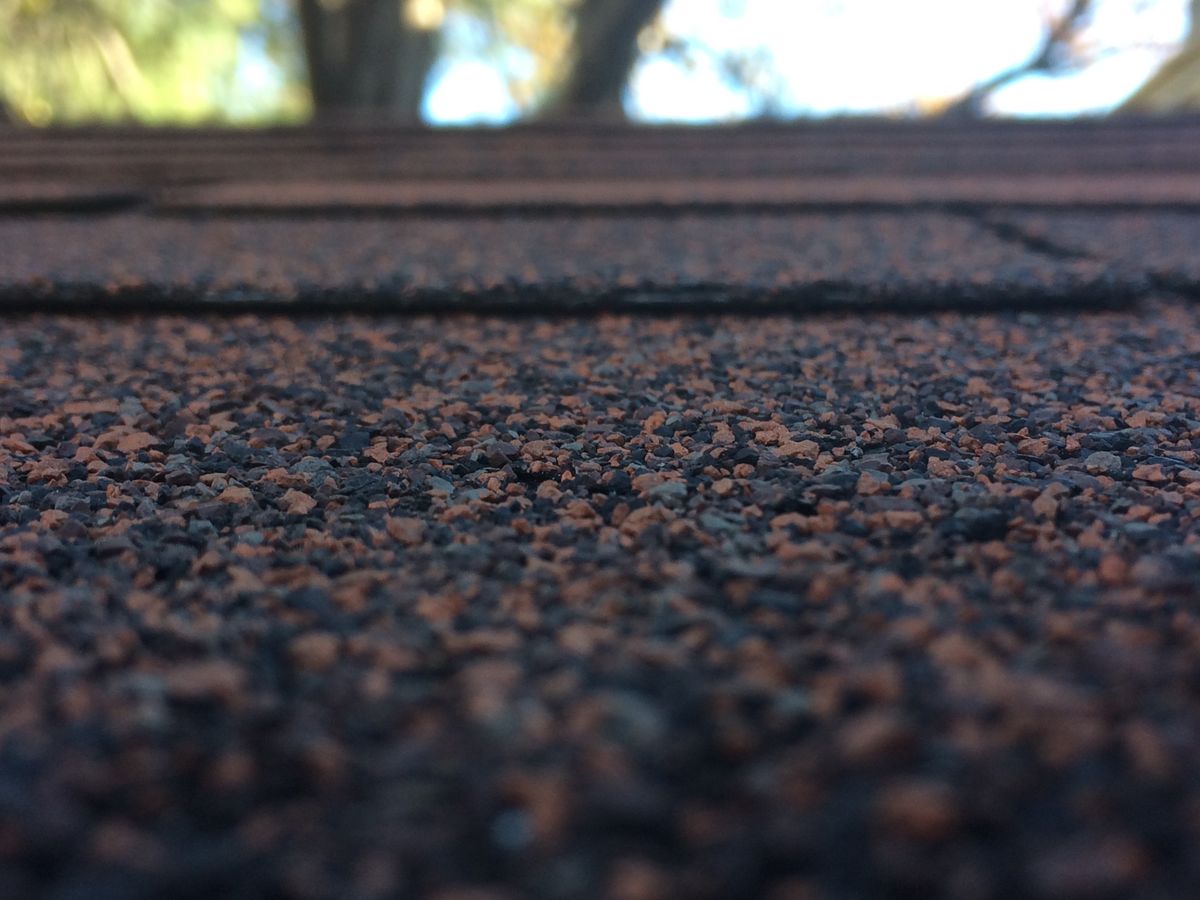
Look for distinct visual clues from ground level or the top of a ladder. Missing shingles leave dark, rectangular patches where black underlayment felt or wooden decking shows through. Lifted shingles curl at the edges or flex upward during light breezes, indicating the adhesive thermal strip under the tab has failed. Accumulations of mineral granules in downspouts or gutter troughs signal advanced shingle deterioration. Asphalt shingles rely on crushed stone granules to shield the asphalt layer from ultraviolet radiation. When granules wash away, exposed asphalt dries, cracks, and loses structural strength, making individual shingle tabs prone to tearing off during windstorms. Inside the home, moisture stains on attic rafters, water rings on sheetrock ceilings, or peeling paint near ceiling lines often follow missing shingles. Even a single blown-off shingle allows wind-driven rain to reach underlayment, where water can find fastener penetrations and leak into living spaces.
Why shingles come off
Several mechanical and environmental factors cause shingles to detach. Understanding these mechanisms helps determine whether the issue is isolated to localized damage or indicates widespread roof failure.
Wind uplift and atmospheric pressure
Wind moving over a roof slope accelerates, creating negative pressure above the shingles. If a shingle edge is unsealed or lifted, this pressure differential pulls the tab upward. High wind gusts tear shingles along the nail line or pop fastener heads through the shingle mat.
Improper fastener placement
Roofing nails must be placed along the designated nail line at a precise depth. Nails driven too high miss the underlying double-ply seal strip, leaving the shingle supported by reduced holding power. Nails driven too deep penetrate through the fiberglass mat, creating a weak point that rips away during high winds. Fasteners installed at an angle cut into the material rather than clamping it flat.
Thermal sealant strip failure
Standard asphalt shingles feature a factory-applied strip of heat-activated adhesive. High summer temperatures melt this strip, bonding adjacent shingle courses into a continuous barrier. Heavy dust, oxidation, cold-weather installation, or age can prevent this seal from bonding or break an existing bond permanently.
Structural aging and loss of flexibility
As asphalt shingles age, volatile oils within the asphalt compound evaporate over time. The material loses its ability to flex under temperature shifts. Expanding and contracting during daily temperature swings causes brittle shingles to snap at the fold line or break off along stress points.
Safe homeowner checks and what to avoid
Homeowners can inspect roof conditions safely without walking on the roof surface. Stepping onto an aged or steep roof damages fragile granules, tears brittle shingles, and presents significant fall hazards. Use binoculars or a mobile device camera from ground level to scan ridge caps, roof valleys, rake edges, and chimney flashings. Look for loose tabs, misaligned courses, exposed nail heads, and missing sections. Examine gutters and splash blocks for heavy layers of washed-out granules. Inside the attic, use a bright flashlight to inspect the underside of roof decking for water staining, damp insulation, or daylight passing through decking gaps. Never step off attic ceiling joists onto sheetrock, and do not touch electrical wiring, junction boxes, or light fixtures near wet areas. Avoid pulling on loose shingles from a ladder, as tearing a partially attached shingle can damage surrounding courses and expose larger areas of underlayment.
Professional inspection and repair options
Professional roof inspections assess whether the underlying deck and surrounding materials remain sound. In Texas, general contractors and roofing contractors are not licensed statewide, whereas electricians, plumbers, mold remediation contractors, and air conditioning contractors are licensed through the Texas Department of Licensing and Regulation (TDLR). Homeowners should verify general liability insurance, local references, and industry trade credentials before hiring a contractor. A qualified professional uses physical inspection techniques and thermal imaging tools to evaluate structural moisture levels. They verify nail placement accuracy, assess decking integrity, and test the adhesion strength of neighboring shingle courses.
Spot repairs
When shingle loss is limited to a small area and adjacent shingles remain flexible, a contractor can perform a spot repair. This involves carefully lifting upper shingle tabs, removing pulled nails, sliding replacement shingle courses into position, and securing them with proper fasteners and roofing sealant.
Sectional or complete replacement
If shingles across multiple slopes are brittle, lifting, or missing significant granule coverage, spot repairs will not hold long-term. Attempting to patch brittle shingles breaks neighboring tabs during installation. In these cases, replacing an entire roof slope or the complete roof system is necessary to restore water tightness.
Factors that drive repair and replacement costs
Roof repair and replacement expenses vary based on structural design, material choices, and labor requirements rather than shingle material pricing alone.
- Roof pitch and accessibility: Steeper roof slopes require specialized rigging, fall-protection equipment, and slower labor production. Multi-story homes or properties with restricted perimeter access increase staging time.
- Underlayment and decking condition: If missing shingles allowed water to rot plywood or oriented strand board (OSB) decking boards, replacing damaged wood decks increases labor and material requirements.
- Flashing and penetration details: Roofs featuring multiple chimneys, skylights, plumbing stacks, and dormers demand custom flashing work and extended installation labor.
- Waste disposal and tear-off layers: Removing multiple layers of old roofing materials increases labor demands and heavy disposal fees compared to single-layer tear-offs.
North Texas climate and local roof stresses
Dallas-Fort Worth homes experience environmental conditions that accelerate shingle wear and detachment. Spring weather brings severe wind gusts and violent hail events. Hail strikes fracture the internal fiberglass mat inside asphalt shingles, stripping away protective surface granules and creating micro-cracks where wind can lift shingle edges. Summer climate places intense thermal stress on roof assemblies. Radiant heat drives attic temperatures high when soffit and ridge ventilation is inadequate. Trapped attic heat cooks shingles from below, drying out essential asphalt oils and degrading thermal sealant strips long before expected material lifespans end. Winter freeze events introduce freeze-thaw moisture cycles. Water trapped beneath unsealed shingle edges freezes and expands, forcing shingle tabs upward and breaking adhesive bonds right before spring windstorms arrive. In established DFW neighborhoods with homes built in the 1970s and 1980s, aging roof decking and undersized attic ventilation make routine shingle checks essential.
Common questions
Can missing shingles cause immediate interior water leaks?
Yes. While underlying synthetic or felt underlayment offers brief water resistance, wind-driven rain can penetrate underlayment seams and nail holes, allowing water to migrate into attic insulation and interior ceilings.
Can I reattach a fallen shingle using roofing cement?
Reattaching a fallen shingle with roofing cement provides only temporary holding power. If a shingle tore away from its fasteners, the structural mat is damaged, making full replacement of that shingle tab necessary.
How many missing shingles mean I need a full roof replacement?
If shingle loss occurs across multiple slopes or surrounding shingles crack when lifted, full replacement is usually necessary. Isolated shingle loss on a flexible, healthy roof can typically be repaired.
Does homeowners insurance cover shingle loss from wind storms?
Insurance coverage typically applies when shingle loss results from a sudden wind or hail event rather than long-term wear, age, or improper installation. A professional inspection documents storm damage for insurance claim reviews.