
Dallas–Fort Worth Siding & Exterior Guide
Short answer: Dallas–Fort Worth siding and exterior walls face intense environmental stress from solar radiation, severe hail, wind-driven rain, and seasonal soil movement....
By Everyday Home Advice Editorial Team
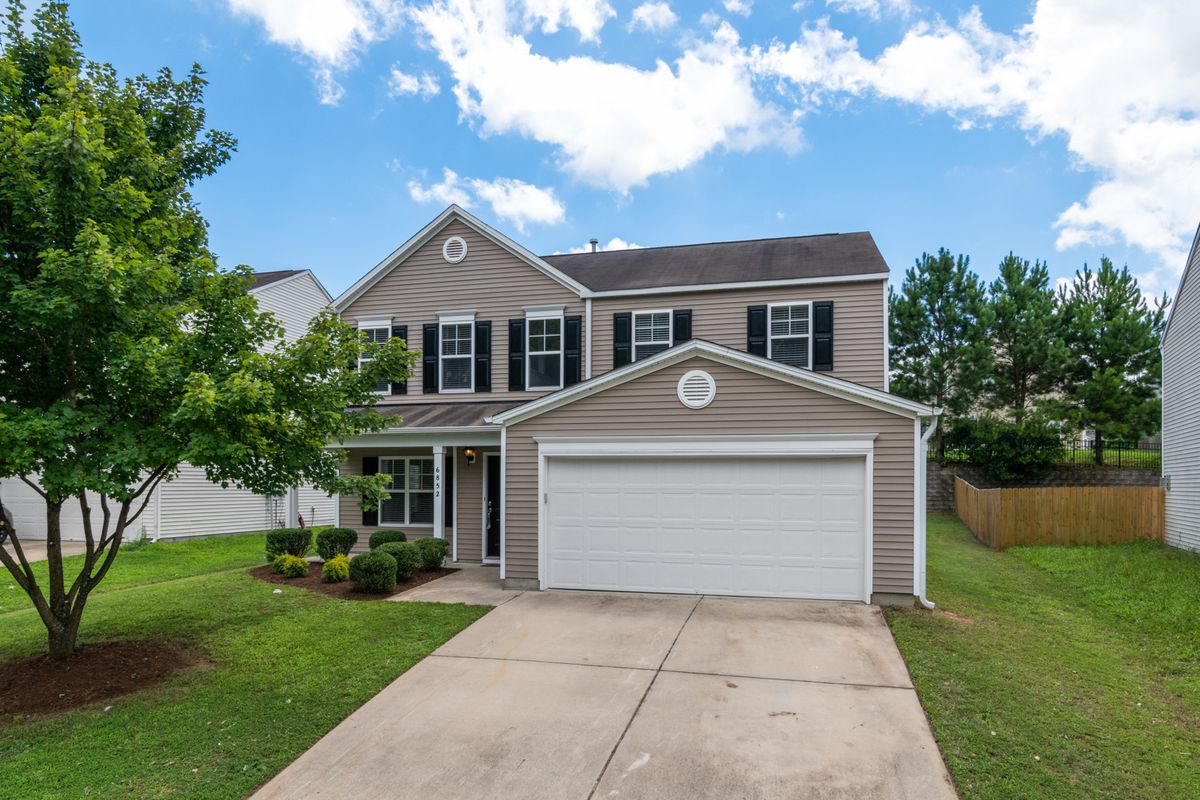
Short answer: Dallas–Fort Worth siding and exterior walls face intense environmental stress from solar radiation, severe hail, wind-driven rain, and seasonal soil movement. Protecting your exterior requires recognizing material vulnerabilities, keeping brick weep holes clear, maintaining sealant at wall penetrations, and addressing foundation-driven racking before water damages structural framing.
Exterior siding materials and regional environmental hazards
Dallas–Fort Worth homes feature diverse exterior materials, often combining brick veneer, stone, fiber cement, vinyl, stucco, and wood trim on the same street. Each material reacts differently to local weather extremes and requires specific care. Intense solar radiation during summer generates high thermal stress. UV exposure fades paint, chalks vinyl cladding, and degrades elastomeric caulk within a few years. Extreme temperature swings between summer heat and winter freezes cause continuous expansion and contraction at panel joints, trim, and wall transitions. Severe spring storms bring heavy hail and wind-driven rain. Hail chips fiber cement, cracks sun-embrittled vinyl, dents aluminum trim, and fractures stucco finishes. Rain rarely penetrates through undamaged cladding fields. Instead, water enters at seams, light fixtures, hose bibs, A/C refrigerant line penetrations, dryer vents, and roof-to-wall intersections missing kickout flashing.
Foundation movement, clay soil, and cladding distress
Slab-on-grade foundations constructed over expansive clay soil shift between wet and dry seasons. Clay soil swells when saturated during heavy rain and shrinks during prolonged summer dry spells. This movement shifts the concrete slab, transferring racking forces into exterior framing. Exterior materials show foundation distress in distinct ways:
Brick and stone veneer
Masonry veneer develops diagonal, stair-step cracks through mortar joints near window and door corners. Widening cracks indicate significant foundation movement. Brick walls feature open weep holes along the bottom course above the foundation ledge. Weep holes allow moisture trapped in the drainage cavity behind brick to escape. Homeowners must never seal or block weep holes with caulk, mortar, or expanding foam.
Stucco and EIFS systems
Stucco applies over framing or masonry backing. Foundation movement causes diagonal shear cracks at window corners. If cracks allow water past the weather barrier, moisture rots internal wall framing.
Vinyl and fiber cement siding
As framing shifts, siding boards buckle, overlap improperly, or detach from studs. Gaps appear around door casings and corner posts as panels pull away.
Safe homeowner inspections and red flags
Inspect exterior walls twice yearly and after severe hail or wind events. Walk the perimeter during daylight and look for visible shifts or material damage. Key ground-level checks: Window and door head flashing to verify metal drip caps slope outward. Sealant joints around wall penetrations, including hose bibs, electrical conduits, vent hoods, and refrigerant lines. Stucco surfaces for soft spots, bulging, or brown water staining. Wood siding, fascia, and soffits for softening, peeling paint, or insect damage. * Irrigation spray patterns to ensure sprinkler heads do not hit siding. Sprinkler hard water stains cladding and accelerates wood decay. Do not climb ladders near overhead power lines. Do not scrape pre-1978 painted wood without testing for lead paint, and do not pull siding panels near electrical entry points.
Professional diagnostics and wall evaluation
When severe cladding failure or moisture intrusion occurs, professional diagnostic testing isolates the cause. General contractors do not hold statewide licenses in Texas, but specialized trades like electricians and plumbers require state licenses through the Texas Department of Licensing and Regulation (TDLR). Exterior specialists use technical tools to assess wall assemblies: Moisture meters evaluate moisture levels inside wall sheathing and studs behind stucco or brick veneer. Infrared thermal cameras identify temperature anomalies from hidden water accumulation or missing wall insulation. * Flashing inspections verify whether weather-resistive barriers and flashing membranes integrate properly around window frames and roof transitions.
Repair versus complete cladding replacement
Deciding between localized repairs and complete replacement depends on damage extent and substrate condition. Localized repairs work well when damage is isolated to a few hail-cracked vinyl panels, individual damaged fiber cement boards, or small mortar cracks in brick veneer. Mortar repairs require tuckpointing with matching mortar to restore strength without causing spalling. Complete replacement is necessary when hail damage spans multiple wall elevations, when cladding reaches the end of its service life, or when water rots structural sheathing and framing behind the siding. Moisture intrusion behind stucco often requires stripping finishes to repair framing rot and replace weather barriers.
Primary drivers of exterior project costs
Understanding key cost drivers helps evaluate repair and replacement scope without relying on vague figures. Structural framing decay: Replacing rotted rim joists, studs, or plywood sheathing increases labor and material demands. Multi-story access: Multi-story homes require scaffolding, lifts, and rigging equipment. Material selection: Heavy brick and stone require masonry foundation ledges and skilled labor, whereas vinyl or fiber cement use distinct installation processes. Architectural detail: Complex wall geometry, gables, dormers, and detailed trim require precise field cutting and custom flashing. * Substrate prep and disposal: Removing old cladding, managing lead containment on older homes, and disposing of masonry add to total project scope.
Common questions
Why do brick walls have open vertical gaps along the bottom row?
Those gaps are weep holes designed to drain moisture that penetrates brick veneer. Blocking weep holes traps water against framing, leading to internal rot.
Can foundation repair cause exterior siding to crack?
Yes. Lifting a concrete slab moves the house framing. This movement can crack mortar joints, fracture stucco, and pull siding panels out of alignment as framing returns toward its original position.
How does hard water from lawn sprinklers damage exterior walls?
Sprinkler spray leaves mineral deposits that discolor siding and breaks down paint coatings, accelerating wood rot along bottom trim boards.
Is vinyl siding durable enough for North Texas weather?
Vinyl is budget-friendly, but intense solar heat can warp dark panels, and severe hail cracks sun-embrittled vinyl. Fiber cement and brick veneer offer higher impact and heat resistance.