
What Affects the Cost of Siding Replacement?
Short answer: Siding replacement cost is driven by total exterior surface area, wall height, material selection, teardown of existing cladding, and hidden substrate or framing...
By Everyday Home Advice Editorial Team
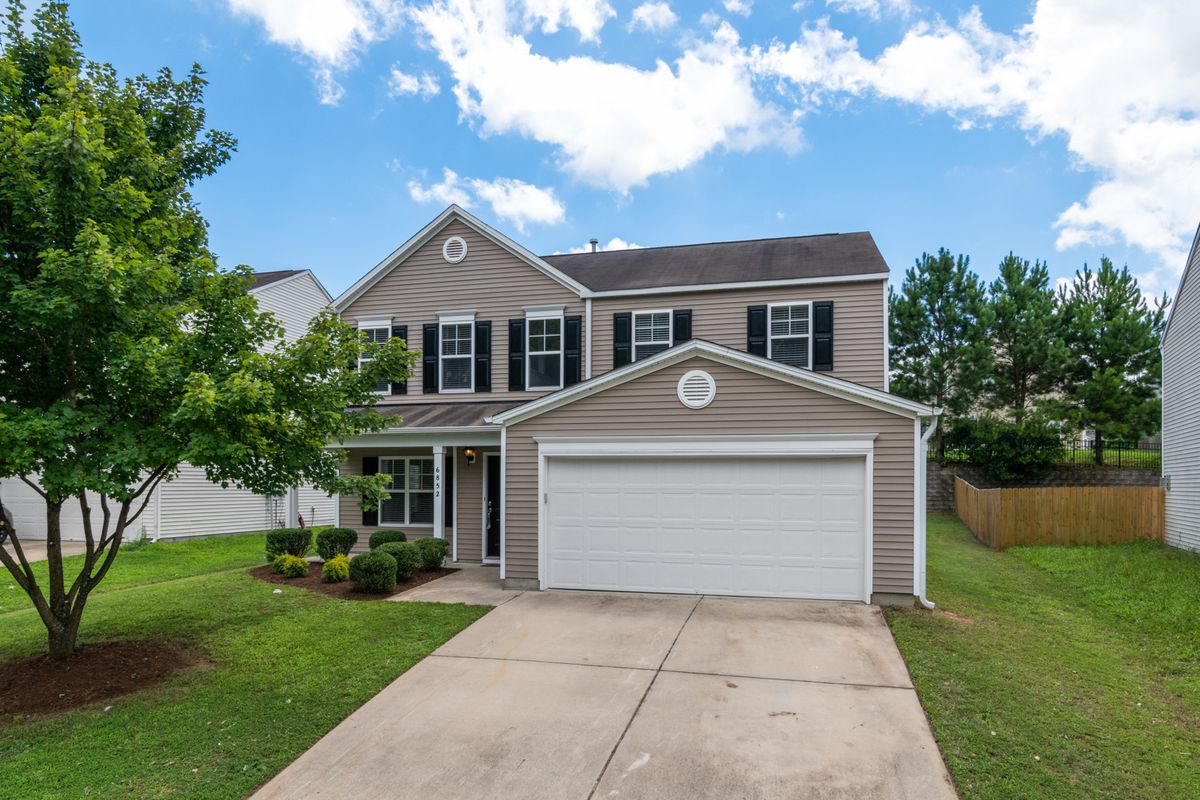
Short answer: Siding replacement cost is driven by total exterior surface area, wall height, material selection, teardown of existing cladding, and hidden substrate or framing repairs behind old panels. Additional factors include architectural trim complexity, weather-resistive barrier upgrades, site access, and municipal permit requirements.
Signs of Siding Degradation and Structural Risk
Exterior cladding protects wall framing, insulation, and interior finishes from environmental moisture. Recognizing failure symptoms early prevents deep structural damage to the home framing. Common symptoms of compromised siding include:
- Wavy or buckled panels along long horizontal runs.
- Cracks, chips, or holes caused by physical impacts or material weathering.
- Chalking, severe fading, or peeling paint across sun-exposed exterior elevations.
- Soft or spongy trim boards around window frames, door jambs, and corner posts.
- Interior wall paint blistering or water staining near exterior wall intersections.
Distinguishing cosmetic wear from structural failure is essential. Surface chalking on synthetic materials or minor paint peeling on wood reflects normal finish degradation. Bowed panels, separating seams, and rotted substrate sheathing indicate that moisture has breached the outer cladding layer. When moisture reaches oriented strand board (OSB) or plywood sheathing, wood decay can spread into wall studs, floor joists, and sill plates. Ignoring open siding joints turns minor exterior updates into extensive structural framing repairs.
Material Selection and Architectural Complexity
Material choice directly dictates project labor demands and supply expenses. Fiber cement planks require specialized cutting blades, heavier handling, and specific fastener patterns, while vinyl panels install quickly with interlocking edges. Engineered wood siding demands strict clearance above grade and precise field-cut sealing. Heavy materials like brick veneer or manufactured stone require reinforced support ledges and specialized wall tie systems. Wall geometry alters project labor time significantly:
- Multi-story homes require scaffolding, staging, and safety rigging, which increases labor setup time.
- Steep roof slopes, gables, dormers, and tight clearances between neighboring structures complicate material access and installation.
- Architectural features such as bump-out windows, decorative trim bands, and custom corner profiles increase cutting, fitting, and sealing steps.
- Board-and-batten configurations require more trim alignment and labor hours than standard horizontal lap siding.
Factory-finished materials reduce on-site finishing time, whereas unprimed or job-site painted cladding requires additional staging for primer and topcoat applications once installation is complete.
Teardown, Sheathing Repair, and Site Access Safety
Total cost depends heavily on what sits underneath old siding. Removing existing cladding exposes hidden framing conditions that cannot be diagnosed from a visual surface inspection.
Teardown and Disposal
Removing single-layer vinyl siding takes less labor than stripping multiple historical layers of hardboard or wood shingles. Heavy or thick materials generate high disposal volume and landfill fees.
Substrate and Structural Sheathing
Once old cladding is removed, the exposed wall sheathing must be inspected for rot, delamination, termite damage, and mold growth. Replacing compromised OSB or plywood sheets adds labor and material costs to the project scope.
Safe Homeowner Inspections
Homeowners can inspect their siding safely from ground level using a flashlight. Check for loose panels, missing caulk, or soft spots in bottom trim boards using a plastic putty knife.
Hazards Not to Touch
Do not pull back loose siding near incoming overhead electrical service lines. Never disturb older cementitious shingle siding that may contain asbestos fibers; handling these materials requires specialized containment procedures. Avoid disconnecting exterior light fixtures or outlets attached to siding panels, as exposed wiring poses electrical shock hazards.
Dallas–Fort Worth Climate and Environmental Pressures
Exterior walls in North Texas experience severe thermal and structural stresses that influence material selection and installation practices.
Soil Dynamics and Wall Racking
Expansive clay soil throughout the Dallas–Fort Worth area expands when saturated and shrinks during hot, dry periods. This continuous movement causes slab foundations to settle or heave, racking the wall framing above. Structural racking pulls horizontal siding joints apart, pops fasteners, and cracks rigid lap siding seams. Proper installation must allow for movement without binding or splitting panels.
Heat Exposure and Solar UV
North Texas summers bring intense sunlight and high temperatures. Southern and western wall elevations absorb extreme thermal heat, causing high expansion rates in synthetic siding. Improperly nailed vinyl or composite siding that lacks room for expansion will warp, buckle, or push out of corner tracks. UV exposure also breaks down low-grade caulks and sealant beads, opening gaps for moisture intrusion.
Severe Weather and Thunderstorms
High-wind events and hail storms crack embrittled plastic siding, dent thin metal panels, and strip unanchored soffit boards from gable ends. Intense spring downpours force rainwater sideways against exterior walls. A high-performance weather-resistive barrier, proper window head Z-flashing, and sealed trim integrations are essential to keep wind-driven rain out of wall cavities.
Professional Inspections and Texas Contractor Standards
A complete professional siding evaluation goes far beyond measuring square footage. Certified installers conduct technical tests to verify the integrity of the building envelope before quoting a project. Professional siding contractors perform specific diagnostic steps:
- Measuring framing wall lines with long straightedges to locate hidden sagging, bow, or racking issues.
- Using pinless moisture meters to check sheathing wetness levels around window openings and wall bases.
- Inspecting existing housewrap or weather-resistive barriers for tears, reverse laps, or missing flashing tapes.
- Verifying depth, spacing, and penetration of wall fasteners into solid wood framing.
General contractors do not hold a statewide license in Texas, making standard trade qualifications crucial. Homeowners should verify general liability insurance, local references, and manufacturer installation certifications before signing contracts. If siding work requires relocating exterior electrical outlets, light sconces, or HVAC line-hide covers, Texas law requires licensed sub-contractors. Electricians, plumbers, air conditioning contractors, and mold remediation contractors are licensed through the Texas Department of Licensing and Regulation (TDLR). If widespread substrate decay involves professional mold removal inside wall cavities, a licensed mold remediation contractor must handle abatement.
Repair versus Complete Replacement
Deciding between targeted siding repairs and total cladding replacement depends on material age, damage distribution, and structural envelope condition. Targeted repairs work well when:
- Damage is isolated to a small area from a localized impact, such as vehicle contact or minor storm damage.
- Matching replacement panels are readily available and match existing paint fading.
- The underlying housewrap, flashing, and wall sheathing remain dry and structurally sound.
Full replacement is necessary when:
- Moisture has breached the weather-resistive barrier across wide wall sections, causing substrate rot.
- Siding panels are warped or delaminated across multiple elevations.
- Brittle material breaks during partial removal, making isolated repairs impossible.
- The home lacks an adequate weather-resistive barrier underneath older siding.
Replacing the entire exterior envelope allows contractors to apply modern weatherization membranes, integrate proper window flashing, and install continuous insulation boards to improve building efficiency.
Long-Term Prevention and Maintenance
Extending the service life of exterior cladding requires routine inspection and preventative care.
- Keep soil, mulch, and landscaping beds at least six inches below the bottom edge of siding to prevent moisture wicking and insect entry.
- Maintain roof gutters and downspouts to prevent rainwater from overflowing and cascading down exterior wall faces.
- Trim tree branches back at least three feet from exterior walls to stop physical rubbing and prevent shade from trapping moisture against cladding.
- Inspect sealant joints around windows, doors, and corner boards annually; scrape out cracked caulk and apply high-grade polyurethane or elastomeric sealant.
- Clean synthetic siding yearly using mild detergent and low-pressure water sprays to remove airborne dirt and mold spores without forcing water behind panel overlaps.
Common questions
Does existing siding always need to be removed before installing new material?
Removing old siding is standard practice because installing new material over old cladding hides substrate rot, prevents proper window flashing integration, adds unnecessary weight to wall framing, and can void manufacturer material warranties.
How does foundation movement affect siding life?
Expansive clay soil shifts cause walls to rack out of square. This movement puts stress on siding joints, pulls lap seams apart, cracks rigid panels, and creates entry points for wind-driven rain and exterior pests.
Do siding contractors need a license in Texas?
Texas does not issue a statewide license for general construction or siding contractors. However, trade work involved during siding replacement, such as electrical outlet work or mold abatement, requires TDLR-licensed professionals. Always check local city registration and insurance coverage.
Can new siding improve home energy efficiency?
Installing modern siding along with fanfold foam insulation boards or insulated siding backer improves exterior wall insulation values and reduces thermal bridging across wood wall studs.