
How Long Does Siding Last?
Short answer: Siding lifespan ranges from 15 to 20 years for basic vinyl or poorly maintained wood up to 50 years or more for fiber cement, masonry veneer, and engineered wood...
By Everyday Home Advice Editorial Team
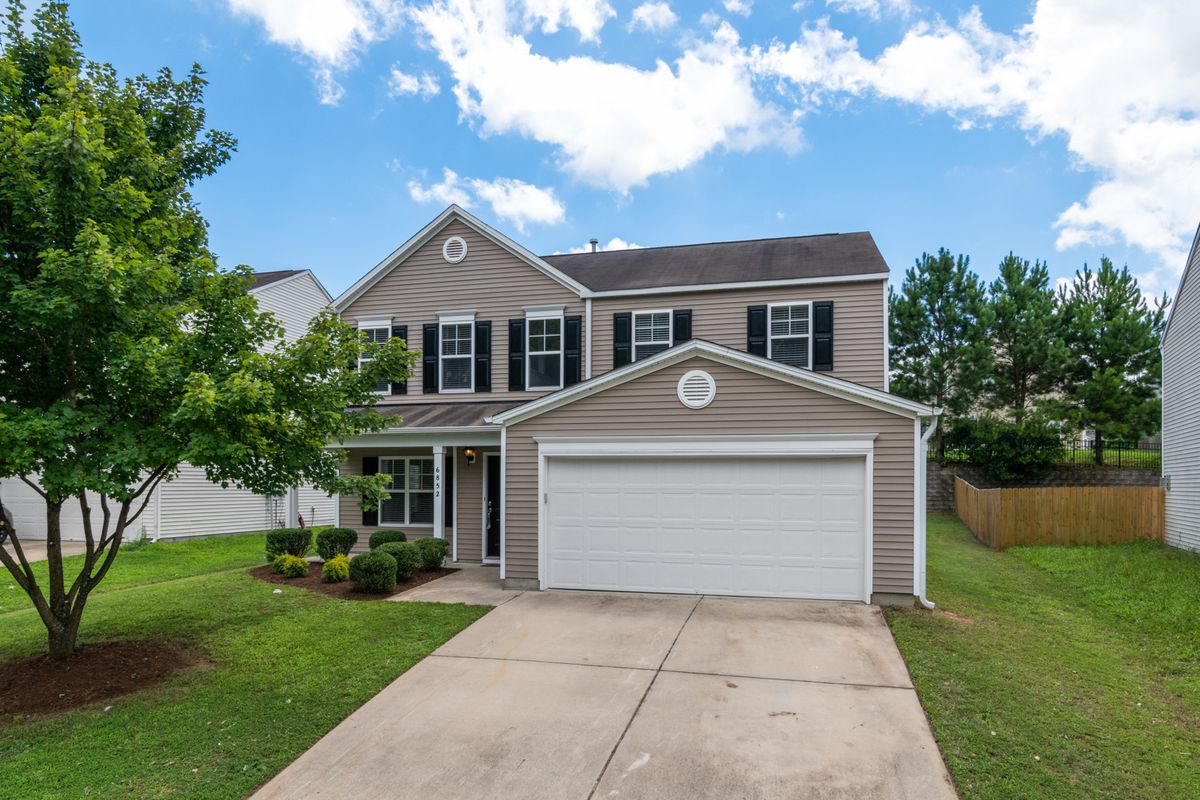
Short answer: Siding lifespan ranges from 15 to 20 years for basic vinyl or poorly maintained wood up to 50 years or more for fiber cement, masonry veneer, and engineered wood systems. In the Dallas-Fort Worth region, actual service life depends heavily on resistance to intense sun exposure, severe hail impacts, seasonal moisture swings, and thermal movement caused by extreme summer heat. Proper installation details and regular joint maintenance ultimately dictate whether cladding lasts its full expected lifespan.
Lifespan expectations by siding material
Different siding materials age through distinct physical mechanisms, and local environmental conditions accelerate specific failure modes:
Masonry veneer and natural stone
Brick and natural stone veneer can last 50 to 100 years or longer. The masonry units themselves rarely fail, but the mortar joints typically require tuckpointing or repointing every 25 to 30 years. Sealant at expansion joints and window perimeters requires replacement far more frequently.
Fiber cement lap siding
Fiber cement offers a service life of 30 to 50 years. It does not rot and holds up well against hail impact and insect activity. Its functional lifespan relies on maintaining field paint coats every 10 to 15 years and ensuring bottom edges maintain proper ground clearance.
Engineered wood siding
High-grade engineered wood siding can last 30 to 50 years when installed with sealed factory edges and continuous back-ventilation. Moisture intrusion through unsealed field cuts or tight joints without expansion gaps can significantly shorten its usable life.
Vinyl siding
Vinyl siding generally lasts 20 to 30 years. Intense ultraviolet light gradually breaks down the chemical plasticizers in vinyl, making panels brittle and prone to cracking under minor physical impact. Darker vinyl colors absorb significant heat, which can lead to panel distortion.
Natural wood cladding
Cedar, pine, and redwood siding last 15 to 30 years depending on maintenance. Wood demands repainting or re-staining every 3 to 7 years. Without strict upkeep, moisture penetration causes warping, splitting, rot, and pest infestations.
Stucco and EIFS
Traditional hard-coat stucco lasts 30 to 50 years if kept sealed and dry. Synthetic stucco, or Exterior Insulation and Finish System (EIFS), relies entirely on an intact water-resistive barrier. Trapped moisture behind stucco leads to concealed wall sheath rot long before the exterior face shows obvious damage.
North Texas environmental pressures on siding
Dallas-Fort Worth weather patterns subject exterior cladding to severe mechanical and environmental stress: Ultraviolet exposure and heat: Summer solar radiation accelerates chemical degradation in paint, vinyl, and sealants. Dark-colored siding absorbs thermal energy, increasing expansion and contraction cycles that stress fasteners and gap joints. Hail storms: Spring storms frequently produce large hail capable of cracking brittle vinyl, denting aluminum, chipping paint, and cracking fiber cement or stucco. Expansive clay soils: Seasonal soil expansion and shrinkage cause foundation settlement and upheaval. This structural movement shifts exterior wall frames, pulling siding joints apart, cracking mortar lines, and breaking perimeter caulk seals. Wind-driven rain: High winds push rain laterally behind lap siding, trim, and light fixtures. Without a sound weather-resistive barrier and proper flashing, moisture saturates the structural wall framing. * Ground clearance and moisture: High humidity and wet soil near the building perimeter cause moisture to migrate into bottom siding courses, accelerating rot and attracting subterranean termites.
Signs your siding is reaching the end of its service life
Early detection of siding degradation prevents costly structural wall repair. Key warning signs include: Surface chalking and fading: A chalky residue on vinyl or painted siding indicates UV degradation of the surface coating, signaling that the material is losing its weather resistance. Warping, buckling, or oil-canning: Vinyl panels that buckle or appear wavy have expanded beyond their allowable clearances or were nailed too tightly during installation. Soft or spongy spots: Soft wood or crumbling fiber cement near baseboards or rooflines indicates active fungal decay caused by prolonged water retention. Cracked or missing caulk: Separation along vertical trim boards, window corners, and material transitions creates direct pathways for bulk water intrusion. * Interior moisture signs: Peeling wall paint, water spots on drywall, or persistent indoor humidity can stem from unseen leaks behind degraded siding panels.
Safe inspection practices and hazards to avoid
Homeowners can perform routine visual inspections safely from the ground or using a short stepladder. Inspect siding courses annually and after major hail storms. Look for loose boards, damaged trim, missing caulk, and pest entry holes. Verify that soil, mulch, and landscaping stay at least six inches below the bottom edge of wood or fiber cement siding to prevent moisture wicking and insect pathways. Avoid using high-pressure power washers on vinyl or fiber cement. High-pressure water can drive moisture upward behind lap joints, saturate the house wrap, and blow out flexible caulk joints. Wash siding using low-pressure hose nozzles and soft-bristle brushes instead. Never touch or tamper with siding around high-voltage electrical service entrances, weatherheads, gas lines, or air conditioning line sets. Disconnecting or altering exterior penetrations requires qualified trade professionals.
Professional evaluation and repair versus replacement
When siding shows structural damage or widespread rot, a professional contractor conducts a complete elevation analysis. Specialists use moisture meters to detect trapped water in wall sheathing and thermal imaging cameras to identify concealed moisture plumes behind the cladding. Localized damage, such as a few hail-dented vinyl panels or a single rotted wood board, can often be repaired individually. However, if water penetration has damaged structural wall framing or house wrap across large areas, full siding replacement is necessary. Texas does not license general building or siding contractors at the state level. Homeowners should verify contractor insurance, local references, and manufacturer installation credentials. If siding replacement involves electrical line reattachments, plumbing penetrations, or HVAC line sets, those specific tasks must be completed by electricians, plumbers, or A/C contractors licensed through the Texas Department of Licensing and Regulation (TDLR). Mold remediation contractors are also licensed by TDLR if mold contamination is discovered inside wall cavities.
Factors that drive replacement cost
Siding project expenses vary based on technical scope rather than square footage alone: Material selection: Fiber cement, masonry veneer, and architectural stone incur higher material and shipping costs than standard vinyl or engineered wood options. Substrate condition: Replacing damaged wall sheathing, rotted rim joists, or compromised house wrap adds labor and materials to the scope. Building height and complexity: Multi-story homes, steep roofline intersections, dormers, and intricate trim details require specialized scaffolding and extra labor hours. Flashing and detailing: Proper installation of window drip caps, kick-out flashing at roof-wall intersections, and sealants requires detailed craftsmanship that impacts overall installation expense. * Waste removal and disposal: Removing heavy original materials like real brick, stucco, or hardboard requires higher hauling and landfill fees.
Common questions
How long does fiber cement siding last compared to vinyl?
Fiber cement typically lasts 30 to 50 years, offers superior hail resistance, and does not melt or warp in extreme heat. Vinyl siding lasts 20 to 30 years and is more susceptible to UV embrittlement, thermal warping, and hail impact damage.
Can hail damage shorten siding lifespan without visible holes?
Yes. Severe hail can create hairline cracks in vinyl, micro-fractures in fiber cement, or chips in painted coatings. These subtle damage points allow moisture to penetrate to the house wrap, accelerating hidden structural decay over time.
Why does siding pull away from the wall on North Texas homes?
Foundation movement driven by expanding and shrinking clay soils shifts the building frame. This movement stresses structural fasteners, pops siding nails, and causes trim joints to open up along exterior walls.
Do you need a permit to replace siding in the DFW area?
Permit requirements depend on your specific municipality. Many local cities require building permits for structural wall repairs or full siding replacements to ensure code compliance regarding weather barriers and flashings.