
Bathroom Flooring Guide
Short answer: Porcelain tile and luxury vinyl tile (LVT) or plank (LVP) are the most reliable choices for bathroom floors because they resist standing water and routine surface...
By Everyday Home Advice Editorial Team
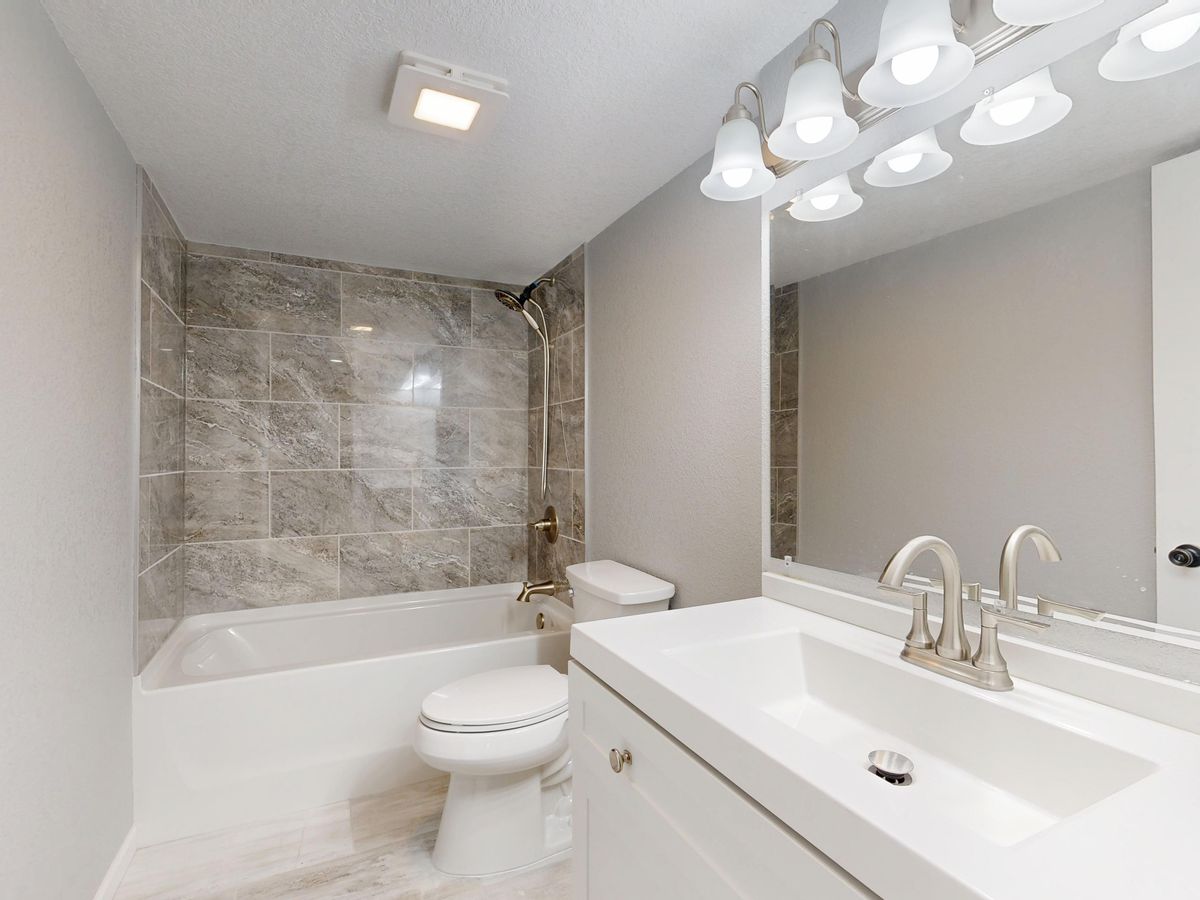
Short answer: Porcelain tile and luxury vinyl tile (LVT) or plank (LVP) are the most reliable choices for bathroom floors because they resist standing water and routine surface humidity. Choosing the right material requires evaluating your subfloor structure, managing moisture vapor from concrete slabs or crawl spaces, and accounting for foundation movement in Dallas-Fort Worth homes.
Identifying Bathroom Floor Failure and Material Damage
Bathroom flooring failures usually present visible symptoms before structural collapse occurs. Recognizing these signs early helps distinguish minor cosmetic repairs from major subfloor degradation. Common signs of flooring distress include: Cracked, loose, or crumbling grout lines between tiles. Tiles that feel hollow when tapped or lift away from the substrate. Springy, spongy, or soft spots in the floor underfoot, particularly around toilets, tubs, and shower entrances. Buckling, cupping, or peeling seams on vinyl or wood-look planks. * Persistent dark spots along baseboards or a recurring musty odor that remains after cleaning. Cosmetic surface wear, such as dull tile finish or discolored grout surface stains, usually indicates aging sealant or surface dirt. In contrast, loose tiles, floor deflection, or soft spots signal that water has penetrated the surface layer and damaged the subfloor, underlayment, or structural framing beneath.
Primary Causes of Floor Failure and Material Comparison
Flooring failure typically stems from four distinct water sources: surface splashes from bathing, high ambient room humidity, concealed plumbing leaks from supply or drain lines, and moisture vapor rising through a concrete slab. Choosing the appropriate floor material depends heavily on how well the product handles these environmental stressors.
Porcelain and Ceramic Tile
Porcelain tile features a very low absorption rate, making it virtually impervious to surface water. Ceramic tile is slightly more porous but remains highly water-resistant when properly glazed. Both materials require a completely rigid subfloor to prevent movement that leads to cracked tiles and failed grout.
Luxury Vinyl Plank (LVP) and Luxury Vinyl Tile (LVT)
Modern luxury vinyl features a rigid waterproof core, typically made from stone-polymer composite materials. Vinyl holds up exceptionally well against surface drips, feels warmer underfoot than natural stone, and installs with fewer seams. However, it requires a flat subfloor to prevent the click-lock joints from disengaging under foot traffic.
Natural Stone
Marble, slate, and travertine offer high visual appeal but are naturally porous. Natural stone requires routine application of penetrating sealers to prevent water absorption and staining. Stone is also susceptible to chemical etching from acidic household cleaners and minerals present in municipal water supplies.
Sheet Vinyl
Sheet vinyl offers a seamless surface that prevents water from reaching the subfloor through joints. While cost-effective and water-resistant, it is thinner than plank products and can tear or show imperfections if the subfloor is not perfectly smooth.
Hardwood and Standard Laminate
Solid hardwood, engineered wood, and non-waterproof laminate are poorly suited for full bathrooms. Exposure to steam and standing water causes the wood fibers to swell, cup, warp, and rot, leading to premature floor failure.
Structural Impact and Homeowner Safety Checks
When water bypasses the floor covering, it soaks into the underlying subfloor. In homes built over wood-framed crawl spaces, prolonged moisture exposure rots plywood or oriented strand board (OSB) sheathing and degrades structural floor joists. Over time, this weakens the support structure under heavy fixtures like cast-iron bathtubs or tiled showers.
Safe Homeowner Checks
Homeowners can safely evaluate their bathroom floors using non-destructive methods: Press firmly with a foot around the base of the toilet and along the tub apron to check for structural flexing. Inspect the ceiling directly below a second-story bathroom for water stains, flaking paint, or sagging drywall. Use a non-penetrating pinless moisture meter on wood subfloors or drywall baseboard zones to detect hidden moisture. Inspect accessible crawl spaces beneath the bathroom for water drips, damp insulation, or visible mold on floor joists.
What Not to Touch
Avoid disturbing older vinyl sheet flooring or vinyl floor tiles installed prior to the late 1980s, as they may contain encapsulated asbestos fibers. Do not cut into structural floor joists or subfloor sheathing without temporary support in place. If your floor includes embedded electric radiant heating mats, do not puncture or chip into the thin-set mortar layer; work involving underfloor electrical systems should be evaluated by an electrician licensed by the Texas Department of Licensing and Regulation (TDLR).
North Texas Climate and Slab Considerations
Bathroom flooring performance in the Dallas-Fort Worth area is directly influenced by regional soil dynamics and weather patterns.
Expansive Clay Soil and Slab Movement
The region features deep layers of expansive clay soil that absorb moisture during wet seasons and shrink significantly during extended dry summer heat. This soil movement causes subtle vertical and lateral shifting in slab-on-grade concrete foundations. Rigid floor coverings like ceramic or porcelain tile bonded directly to a slab without a movement joint can crack or sheer off as the concrete shifts.
Subfloor Moisture and Foundation Types
Slab-on-grade foundations act as sponges, drawing moisture vapor upward from the surrounding earth. If a waterproof moisture barrier is not present beneath the slab or floor covering, this vapor pressure can break down tile adhesives or cause vinyl plank backings to cup. In contrast, pier-and-beam homes experience seasonal wood frame expansion, requiring additional subfloor stiffening to prevent tile grout lines from cracking.
Ambient Humidity and Hard Water Impact
Hot summers place heavy demands on home cooling systems. When air conditioning systems struggle to manage indoor relative humidity, moisture lingers on cold bathroom floor tiles, increasing mold risks. Additionally, regional water supplies contain mineral content that leaves hard white deposits on porous, unsealed natural stone flooring over time.
Professional Diagnostic Testing and Repair Options
When addressing damaged bathroom floors, licensed trade professionals perform detailed testing to determine whether spot repairs or full replacement is necessary.
Diagnostic Testing
Tile setters and flooring professionals conduct moisture vapor emission tests on concrete slabs using calcium chloride kits or relative humidity probes drilled into the concrete. They also measure subfloor deflection, ensuring the floor framing meets structural stiffness standards before installing heavy tile assemblies.
Repair vs. Replacement
Individual cracked tiles can be chipped out and replaced if the underlying subfloor remains structurally sound and dry. However, if the subfloor yields to pressure, if grout failure is widespread, or if subfloor moisture readings remain high, complete removal of the tile and subfloor sheathing is required.
Professional Scopes and Licensing
Texas does not license general contractors at the state level. However, specialized trades involved in a bathroom floor tear-out require specific licensing: If plumbing fixtures, toilet flanges, or shower drains must be moved or repaired, hire a plumber licensed through the TDLR. If structural moisture has caused widespread fungal growth, remediation work should be handled by a TDLR-licensed mold remediation contractor. * If heating elements or floor electrical circuits are modified, use a TDLR-licensed electrician.
Key Factors That Drive Bathroom Flooring Costs
The overall financial investment for a bathroom floor replacement depends on several technical variables rather than surface material prices alone: Subfloor Preparation: Concrete slabs requiring mechanical grinding, crack isolation membranes, or self-leveling underlayment add labor and materials. Structural Repairs: Replacing rotted plywood, sistering damaged floor joists, or resetting a sunken toilet flange increases project complexity. Waterproofing Systems: Installing uncoupling membranes, liquid-applied waterproofing, or sheet membranes adds material costs but prevents future water damage. Tile Size and Complexity: Small mosaic tiles or intricate layout patterns require significantly more installation time than large-format tiles. * Room Layout and Accessibility: Tight spaces around vanities, toilets, and custom shower enclosures increase cut waste and labor requirements.
Maintenance and Long-Term Prevention
Protecting a bathroom floor requires ongoing moisture management and surface care. Run a properly sized bathroom exhaust fan during showers and leave it operating for twenty minutes afterward to lower room humidity. Reapply a high-quality penetrating sealer to cementitious grout lines and natural stone flooring annually. Maintain a flexible, 100% silicone caulk joint along the perimeter where the floor meets baseboards, tubs, and shower curbs to allow for natural structural expansion. Place breathable, rubber-free bath mats outside showers and tubs to catch water splashes promptly.
Common questions
Can new flooring be installed directly over existing bathroom tile?
Installing new flooring over old tile is generally discouraged. It increases floor height, creates difficult transitions at doorways, prevents inspection of the underlying subfloor, and often results in poor adhesive bonding.
Is luxury vinyl plank suitable for use inside a shower enclosure?
No. While luxury vinyl plank is waterproof on its surface, it is designed for dry-zone room floors. Wet shower enclosures require dedicated tile or solid-surface pan systems bonded to a continuous waterproof membrane system.
Why does grout keep cracking along the edge of my bathroom floor?
Grout cracks along room perimeters or floor-to-wall transitions because rigid grout cannot handle normal movement between structural planes. These joints should be filled with flexible, color-matched silicone sealant instead of hard grout.
Do concrete slab floors require waterproofing before tiling?
Yes. Concrete slabs transmit ground moisture vapor upward into the room. Installing an uncoupling membrane or a liquid-applied waterproof barrier over the concrete prevents moisture from breaking down tile adhesives and isolates the tile from slab stress cracks. Dallas–Fort Worth Bathroom Remodeling Guide Why Does My Shower Grout Keep Cracking? Why Is My Bathroom Always Humid? Bathroom Remodel Planning Checklist * Dallas Home Repair & Maintenance Guide