
Why Does My Shower Grout Keep Cracking?
Short answer: Shower grout cracks primarily because of structural movement, improper installation at surface transitions, or moisture trapped behind tiles. Cement-based grout...
By Everyday Home Advice Editorial Team
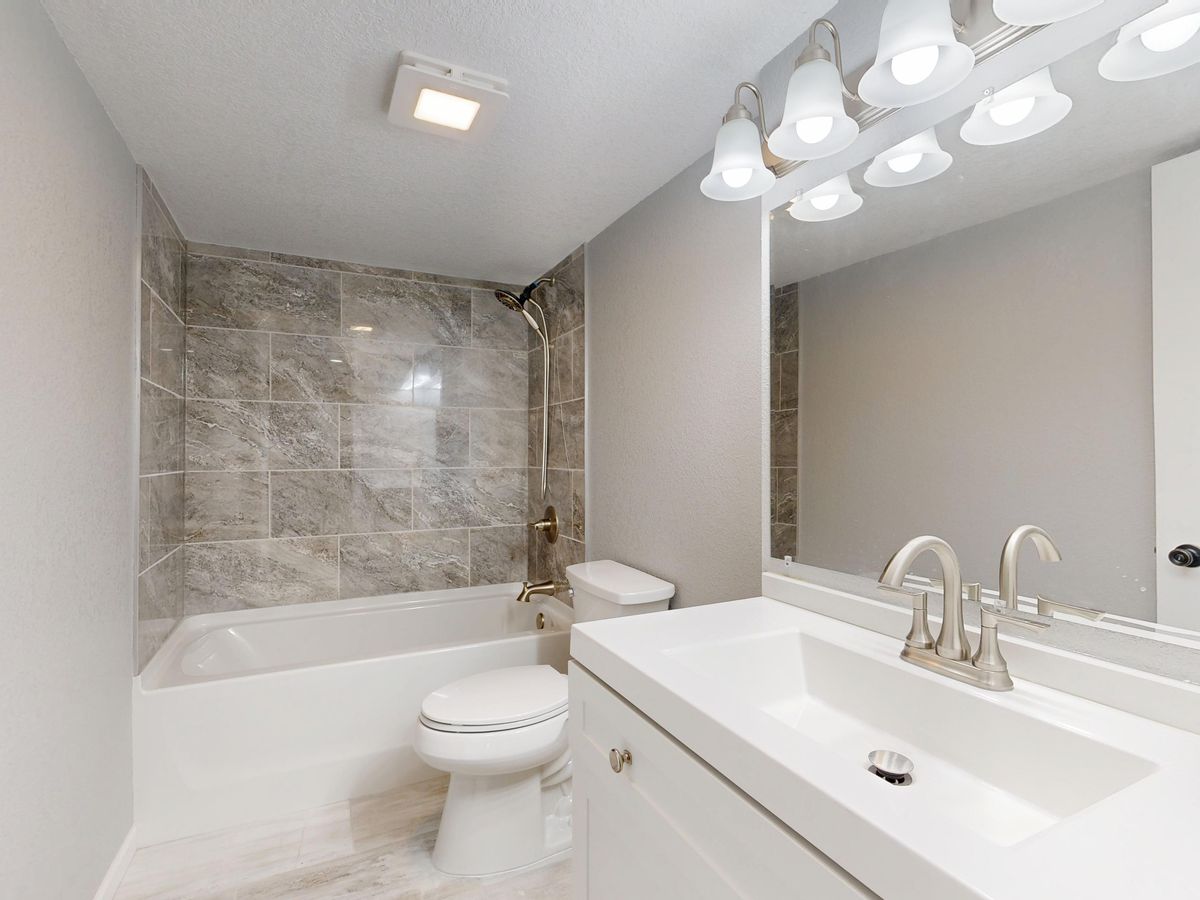
Short answer: Shower grout cracks primarily because of structural movement, improper installation at surface transitions, or moisture trapped behind tiles. Cement-based grout is rigid and cannot flex when walls, floor pans, or foundation slabs shift. When hard grout is used in corners or where wall tiles meet the shower floor instead of flexible silicone sealant, the grout splits as the surfaces move independently.
Identifying grout failures and underlying shower movement
Hairline fractures along grout lines, flaking cement powder, or entire chunks dropping out indicate grout failure. These cracks typically appear in three distinct patterns: along wall corners, at the seam where the wall meets the floor pan, or across the flat field of wall and floor tiles. Inspecting these patterns provides direct clues about the root cause. Cracks concentrated at plane changes, such as vertical wall corners or floor perimeter seams, usually point to localized expansion and contraction. Cracks running straight through field tiles or repeating across flat walls suggest substrate deflection or foundation movement.
Primary causes of recurring grout damage
Cementitious grout lacks elasticity. Several installation and environmental factors cause it to break apart over time: Rigid material in plane changes: Using standard cement grout where two different surfaces meet is a frequent installation error. Walls expand and contract at different rates than floors or adjacent walls, requiring a flexible joint rather than rigid grout. Substrate movement and flex: If wall backing materials such as cement board or wood framing bend under load or moisture, the tile layer shifts, causing the grout lines to shear. Improper grout preparation: Mixing grout with too much water weakens its structural bond. Over-watering causes air pockets to form as the grout cures, resulting in soft, brittle joints that crumble easily. Moisture trapped behind tile: When water penetrates behind tiles through pinholes or failed sealant, cement board or wood framing swells. This expansion pushes tiles outward and snaps grout bonds.
Structural flex and clay soil movement
Dallas-Fort Worth homes encounter environmental conditions that accelerate grout failure. Most local residential structures sit on concrete slab foundations built over expansive clay soil. This clay expands when absorbing seasonal rainfall and contracts significantly during long, hot dry spells. As the underlying soil expands and shrinks, concrete slabs flex. Even minute foundation elevation shifts translate into wall and floor movement inside bathrooms. Rigid shower assemblies feel this strain directly. A shower pan attached to a shifting slab can pull away from timber wall framing, cracking rigid grout joints instantly. Substantial humidity swings in the region also play a role. Wood wall studs absorb indoor moisture during humid summer months and dry out during winter heating periods. This constant expansion and shrinkage of wall studs causes backer boards to shift, breaking the grout bonds above them.
Severity of cracked grout and risks of water intrusion
Cracked grout is more than a cosmetic issue. Grout itself is not waterproof, but wide cracks allow bulk water to bypass the tile layer directly into wall cavities or subfloors. Continuous water seepage behind tile rots timber studs, destabilizes backing boards, and damages subfloors beneath shower pans. Persistent dampness inside dark wall spaces creates an ideal environment for mold growth. Remediation for severe mold infestation must be performed by mold remediation contractors licensed through the Texas Department of Licensing and Regulation (TDLR). Ignoring recurrent cracks can turn a simple maintenance task into a comprehensive tear-out project if water destroys the structural framing behind the tile.
Safe homeowner checks and what to avoid touching
Homeowners can safely evaluate shower conditions with simple visual and physical checks: Tap tests: Lightly tap tiles with a plastic screwdriver handle. Solid tiles emit a high-pitched click, while loose or detached tiles sound hollow. Hollow sounds indicate the tile has separated from its mortar bed. Flex tests: Push firmly against wall tiles near cracked grout lines. If the tile yields under hand pressure, the backing board behind it has softened or rotted. Inspect plane changes: Look closely at corners and floor junctions to check whether hard grout or flexible caulk was installed. Do not attempt to scrape deep into grout joints with sharp metal tools if a sheet membrane or liquid waterproofing layer is present behind the tile. Puncturing the waterproofing barrier creates severe leak paths. Do not pull on loose tiles without wearing eye protection, as ceramic tiles can shatter easily.
Professional diagnostics, repairs, and replacement decisions
When addressing recurring grout cracks, a qualified professional assesses the shower structure using specialized diagnostic tools.
Diagnostic methods
Contractors use electronic moisture meters to map dampness behind tiles without destroying walls. They evaluate substrate rigidity, check shower pan drainage slopes, and inspect accessible plumbing connections for slow leaks. If plumbing lines require repair or modification, work must be conducted by a TDLR-licensed plumber. General contractors in Texas are not licensed statewide, so verifying trade credentials for specialized work is essential.
Repair versus full replacement
Minor surface cracking caused by improper mixing or minor settling can be repaired. A technician scrapes out the damaged grout, cleans the joint, and packs new grout mixed with an acrylic additive to improve flexibility. However, if tiles sound hollow across wide areas, if backer boards bend under pressure, or if water leaks through ceiling spaces below, localized repairs will fail. Complete replacement of the shower assembly, including new waterproofing membranes, backer boards, and tile, becomes necessary.
What drives repair and replacement costs
Costs depend heavily on structural damage, shower size, tile material, and accessibility. Repairing a few joint lines requires minimal material, while replacing rotted framing studs, installing new waterproofing membranes, or working with fragile natural stone tiles requires significantly higher labor investments.
Preventive measures and long-term solutions
Preventing grout cracks requires correct materials and construction methods designed for building movement: Use flexible 100% silicone sealant: Never apply rigid grout to vertical corners, wall-to-floor junctions, or joints where tile meets glass, tub ledges, or metal trim. Fill all plane changes with high-grade, 100% silicone sealant that accommodates movement. Ensure rigid substrate installation: Subfloors and cement backer boards must meet strict stiffness standards. Fastener spacing must follow manufacturer specifications to eliminate flex. Mix grout correctly: Follow precise water-to-powder ratios when mixing cementitious grout, or use pre-mixed urethane or epoxy grouts that offer higher elasticity and water resistance. Maintain balanced indoor humidity: Running bathroom exhaust fans during and after showers reduces moisture absorption by wall studs.
Common questions
Can I apply new grout directly over old cracked grout?
No. Fresh grout applied over cracked grout will not adhere properly and will quickly pop off. Damaged grout must be scraped out to a depth of at least half the tile thickness before applying new material.
Should I use caulk or grout in shower corners?
Always use 100% silicone sealant in shower corners and wall-to-floor seams. Corners are movement joints where adjacent walls expand and contract in different directions, which always snaps rigid grout.
How long does shower grout usually last before needing repair?
Properly mixed grout in flat wall fields can last for decades if protected by functioning seals and sound backing. However, caulk joints at plane changes typically require replacement every few years due to normal building shift and wear.
Does sealing grout prevent it from cracking?
No. Grout sealer repels liquid water and stains, but it adds no structural strength or elasticity. It cannot prevent grout from cracking when substrate movement or foundation flex occurs.