
Why Is My Bathroom Always Humid?
Short answer: Persistent bathroom humidity occurs when daily moisture creation exceeds your exhaust system's capacity to vent it outdoors, or when hidden plumbing leaks and...
By Everyday Home Advice Editorial Team
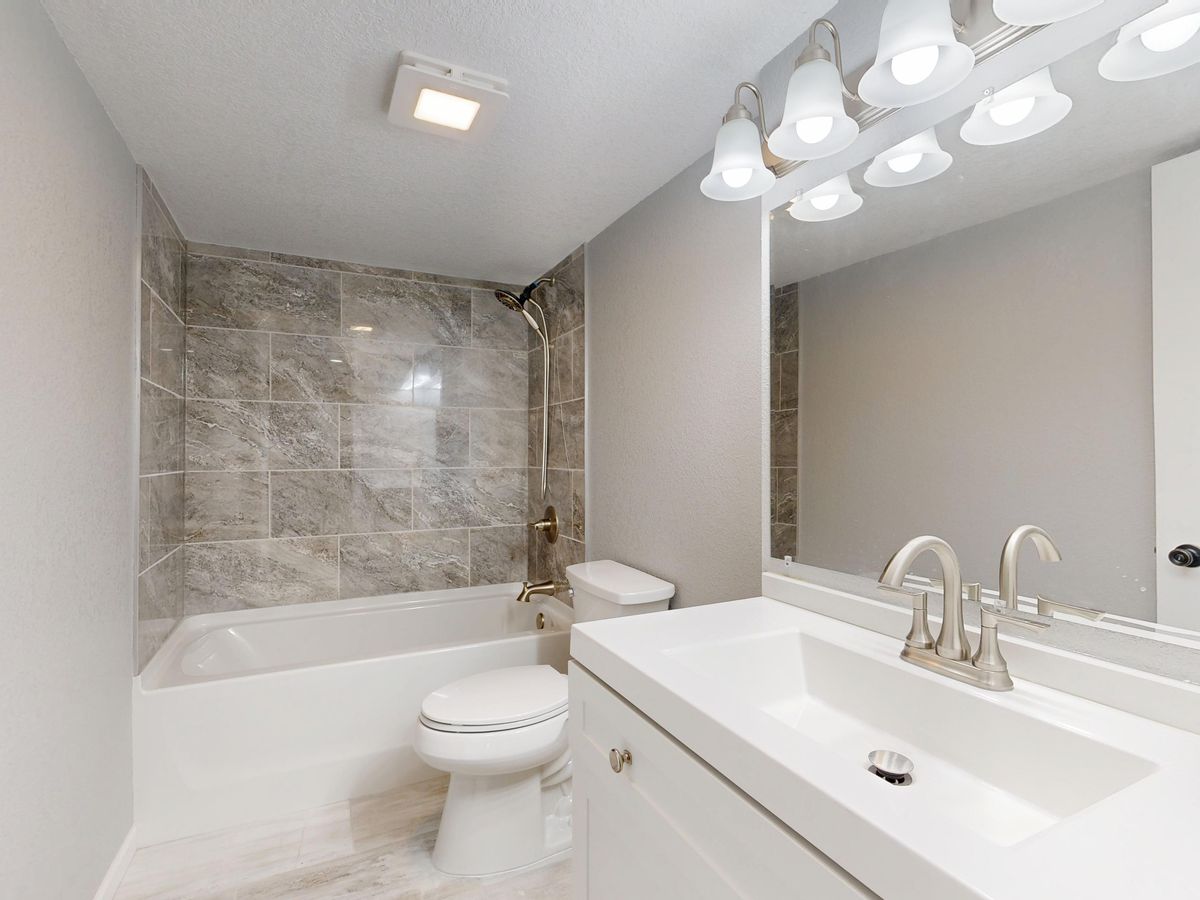
Short answer: Persistent bathroom humidity occurs when daily moisture creation exceeds your exhaust system's capacity to vent it outdoors, or when hidden plumbing leaks and high whole-house indoor humidity keep surfaces damp. In North Texas homes, long cooling seasons and air handlers in hot attics can cause cool drywall and tile to condense moist air continuously, especially if fan ducts terminate inside the attic rather than passing through the roof.
Identifying Bathroom Humidity Symptoms and Causes
Excess moisture in a bathroom reveals itself through distinct visual and sensory cues. Water droplets clinging to the ceiling, foggy mirrors that take longer than fifteen minutes to clear, peeling paint, blistering wallpaper, and persistent dark spots along grout lines or baseboards all indicate trapped water vapor. Musty odors that remain long after a shower also signal that moisture is settling into porous wallboard, subflooring, or framing. The primary causes of continuous dampness fall into three distinct categories:
- Ventilation failure: An undersized fan motor, a clogged exhaust grille, or a crushed duct restricts air movement. In addition, an insufficient gap beneath the bathroom door prevents fresh air from entering the room, which stops the fan from drawing out moist air efficiently.
- Hidden plumbing leaks: Water slowly escaping from a failing shower pan, a degraded toilet wax ring, or an supply line drip behind a vanity introduces steady moisture that keeps the room humid regardless of fan usage.
- Central air balance issues: High whole-house relative humidity prevents moisture in the bathroom from evaporating into the surrounding indoor air.
DFW Environmental and Construction Factors
Homes in the Dallas-Fort Worth area face structural and environmental conditions that exacerbate bathroom moisture issues. Long summer cooling seasons mean air conditioners run for many hours a day. This keeps bathroom surfaces, such as porcelain tile, mirrors, and drywall, noticeably cooler than the surrounding indoor air. When warm, humid air created by a hot shower hits these chilled surfaces, heavy condensation forms immediately. Local building practices also play a major role. Most homes in the region are built on concrete slab foundations, with central air handlers and ductwork installed in unconditioned attic spaces. If an exhaust fan duct terminates inside the attic rather than venting through a dedicated roof or gable hood, warm moisture dumps directly into the attic framing. During hot weather, this trapped attic moisture can migrate back into the living space. Furthermore, expansive clay soils in North Texas undergo severe expansion and contraction cycles between wet spring weather and dry summer heat. Foundation movement flexes house framing, which cracks shower wall grout, fractures tile assemblies, and shifts plumbing connections. These small cracks allow shower water to seep into wall cavities, creating a steady source of hidden humidity inside the room. Past winter freeze events can also cause fine hairline cracks in supply lines inside exterior walls, weeping moisture out out of sight.
Severity and Safe Homeowner Checks
Uncontrolled humidity is more than an inconvenience; it threatens structural building materials and indoor air quality. Prolonged moisture softens gypsum drywall, releases tile adhesives, rots timber wall studs, and corrodes electrical boxes. Over time, high moisture levels encourage wood-destroying fungi and surface biological growth. Homeowners can perform several safe, non-invasive diagnostic checks before calling a contractor:
- The tissue test: Turn on the exhaust fan and place a single sheet of toilet tissue against the intake grille. If suction does not hold the paper firmly in place, the fan is not pulling sufficient air.
- Attic duct verification: If your attic is safely accessible, check the duct running from the bathroom fan. Ensure the pipe is connected securely, uses insulated flex duct or smooth metal pipe, and leads all the way to a vent cap outside the home rather than terminating open in the attic insulation.
- Door gap measurement: Ensure there is at least a half-inch to three-quarter-inch gap between the bottom of the bathroom door and the finished flooring to allow intake air to flow into the room while the door is closed.
- Fixture inspection: Look inside vanity cabinets with a flashlight to check for damp wood, look for dark staining around the base of the toilet, and inspect shower grout lines for missing material or voids.
What Not to Touch and Professional Diagnostics
Homeowners should avoid handling high-voltage electrical connections, disassembling exhaust fan junction boxes, or opening up sealed wall cavities near wet plumbing fixtures. Do not attempt to scrub away extensive areas of deep biological growth or water damage on wallboard. In Texas, specialized trades require state licensing through the Texas Department of Licensing and Regulation (TDLR). Electrical work must be performed by a licensed electrician, plumbing repairs require a licensed plumber, A/C adjustments require a licensed A/C contractor, and major mold assessment or containment requires a TDLR-licensed mold remediation contractor. General contractors handle overall remodeling but are not licensed statewide in Texas. A licensed professional uses specialized tools to pinpoint the source of bathroom humidity:
- Anemometers and flow hoods: A/C contractors use these tools to measure the exact cubic feet per minute (CFM) of air the exhaust fan pulls through the ductwork.
- Thermal imaging cameras: Infrared cameras detect hidden temperature differences caused by water leaking behind tile walls or leaking down from roof penetrations.
- Moisture meters: Pin-type and pinless meters measure the percentage of moisture saturated within drywall, subflooring, and timber framing without tearing down surfaces.
Repair Options and Cost Drivers
Addressing bathroom humidity ranges from simple maintenance fixes to complete system upgrades:
- Duct rerouting and sealing: Replacing loose flex duct with smooth, insulated ductwork routed directly through a roof cap eliminates backpressure and ensures moisture reaches the outdoors.
- Exhaust fan replacement: Upgrading to a fan rated for higher CFM capacity and lower sound output (sones) ensures adequate airflow. Installing a wall timer or automatic humidity-sensing switch guarantees the fan runs long enough after every shower.
- Plumbing and tile restoration: Replacing failing shower pans, resetting toilets with fresh wax rings, and re-grouting tile assemblies stops liquid water from seeping into walls.
Cost factors depend heavily on attic access, the slope of the roof, the distance from the fan to the exterior wall, and whether structural repairs are required inside the wall cavity. Higher expenses occur when tile must be removed, framing must be dried, or new electrical circuits must be run to support higher-capacity ventilation units.
Long-Term Moisture Prevention
Preventing recurring humidity issues relies on proper daily habits and routine house maintenance:
- Run exhaust ventilation longer: Allow the fan to run for at least twenty to thirty minutes after finishing a shower, or rely on an automated humidity sensor to turn off the unit when air reaches safe levels.
- Maintain air supply flow: Keep the bathroom door cracked open when the room is not in use, ensuring air circulates freely throughout the day.
- Squeegee shower walls: Wipe down wet tile surfaces and glass doors after every shower to reduce the volume of standing water left to evaporate into the air.
- Maintain whole-house humidity: Ensure central air conditioning systems are properly sized and serviced to extract ambient moisture throughout the home during humid seasons.
- Protect foundation moisture balance: Maintain uniform moisture in perimeter clay soils to limit foundation movement that damages tile assemblies and plumbing connections.
Common questions
Can I vent my bathroom exhaust fan directly into the attic?
No. Exhausting warm, moist air directly into an attic deposits large volumes of water vapor onto ceiling joists, roof rafters, and insulation. This causes structural wood rot, ruins insulation effectiveness, and creates ideal conditions for mold growth. The duct must terminate outside through a dedicated roof or exterior wall cap.
Why does my bathroom stay humid even when the fan is running?
The exhaust fan may be undersized for the cubic volume of the room, or the ductwork may be kinked, blocked by debris, or too long. A lack of clearance beneath the bathroom door can also starve the fan of supply air. Alternatively, a slow plumbing leak behind wall tile or under the floor may be continuously feeding moisture into the room.
Do general contractors need a state license in Texas for bathroom repairs?
General contractors are not licensed at the state level in Texas. However, specific trades involved in bathroom moisture repairs do require state licensing through TDLR, including electricians, plumbers, air conditioning contractors, and mold remediation specialists.
How long should I leave the bathroom fan running after a shower?
An exhaust fan should run for at least twenty minutes after a bath or shower. Installing an electronic countdown timer switch or an automatic humidity sensor ensures the fan clears water vapor without running indefinitely.