
Cabinet Reface vs. Replace: Which Makes More Sense?
Short answer: Cabinet refacing makes sense when your existing cabinet boxes are structurally sound, plumb, and free of moisture damage, and you are satisfied with your...
By Everyday Home Advice Editorial Team
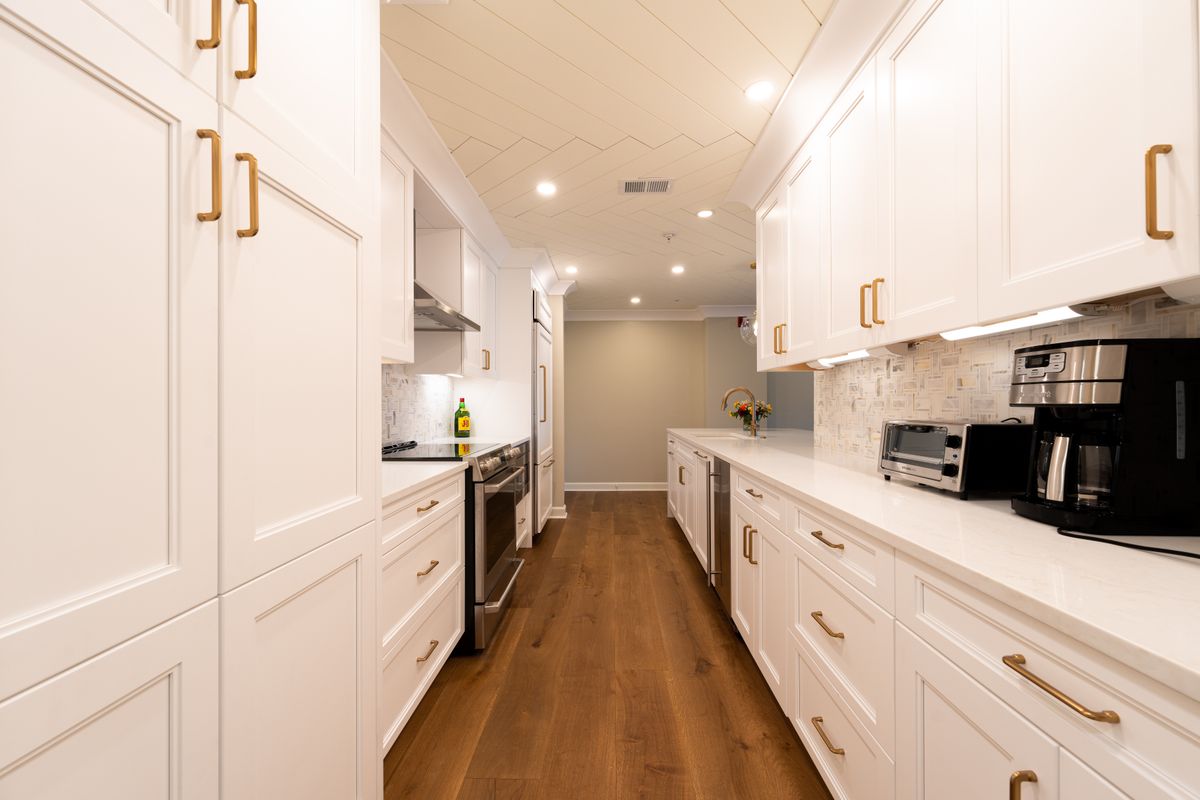
Short answer: Cabinet refacing makes sense when your existing cabinet boxes are structurally sound, plumb, and free of moisture damage, and you are satisfied with your kitchen's current layout. Replacing is necessary when cabinet boxes are warped, swollen, or deteriorating, or when you plan to alter the kitchen footprint, reconfigure appliances, or expand overall storage space.
Evaluating cabinet box structural condition
Determining whether to reface or replace begins with a thorough inspection of the cabinet carcasses, which are the main structural boxes attached to your walls. Refacing relies entirely on the structural integrity of these existing frames. Solid wood and furniture-grade plywood cabinet boxes hold up well over decades and are excellent candidates for refacing. In contrast, cabinet boxes constructed from low-density particleboard often degrade over time. Look closely at the side panels, shelf support holes, and bottom boards. If the material is crumbling, soft to the touch, or sagging under weight, refacing over it will lead to premature failure. Face frames must also be square and firmly attached to the box walls. If cabinet face frames are loose or cracked, new doors will not hang evenly, and new hinges will eventually pull free from the compromised wood.
Key technical differences between refacing and replacing
Cabinet refacing is a cosmetic and functional upgrade applied directly to the existing structural shell. During refacing, an installer removes all existing cabinet doors, drawer fronts, hinges, and handles. The installer then applies a layer of solid wood veneer or durable laminate skin to the exposed exterior face frames and side panels. New custom doors, drawer fronts, hinges, and drawer glides are installed onto the newly surfaced boxes. Replacing cabinets involves a complete teardown of the existing cabinetry down to the wall studs and subfloor. The old boxes are removed and discarded, allowing contractors to repair underlying drywall, re-route utilities, and install entirely new factory or custom cabinet assemblies. Replacing cabinetry allows you to change wall cabinet heights, add deep drawer stacks, install specialized corner organizers, or build a larger center island. Refacing keeps your existing footprint locked in place.
How DFW foundation movement and indoor humidity impact cabinets
In the Dallas-Fort Worth area, expansive clay soils swell when saturated with rain and shrink significantly during dry weather. This continuous movement causes concrete slab and pier-and-beam foundations to shift over time. Foundation settling directly impacts interior walls, frequently pulling kitchen wall studs and corner framing out of square. If foundation shifts have pulled your existing cabinet boxes out of square, refacing them will cause functional problems. New doors mounted on warped or non-level face frames will bind, catch, or display wide, uneven gaps between doors. A full replacement allows cabinet installers to level, shim, and square new cabinets against uneven walls properly. Local humidity and slab moisture also affect lower cabinets. Concrete slabs without adequate moisture barriers can transfer ground moisture into lower cabinet toe kicks and floor panels. Water leaks from sink plumbing or dishwashers can rot particleboard bases from beneath. Always inspect the hidden areas under sink basins and behind toe kick plates for mold, swelling, or water stains before committing to a refacing project.
Safe homeowner checks and what to leave to licensed trades
Homeowners can perform several safe diagnostic checks before hiring a contractor:
- Press firmly on the inside bottom of the sink cabinet and pantry bases to check for soft spots or structural flexing.
- Place a torpedo level against the front face frames and side panels to check if the boxes remain level and plumb.
- Pull drawers out to their full length and inspect the glide tracks for bent steel, missing ball bearings, or cracked plastic mounting brackets.
- Inspect the junction where the cabinet back wall meets the house drywall to check for gaps caused by wall movement.
Leave demolition, structural alterations, and utility work to professional contractors. In Texas, general contractors are not licensed at the state level, but specialized trades are regulated. Electrical alterations require a state-licensed electrician, and plumbing modifications require a state-licensed plumber through state regulatory bodies like the Texas Department of Licensing and Regulation or the Texas State Board of Plumbing Examiners. Never cut into cabinet panels or walls without confirming where electrical conduit, gas lines, and water supply pipes are routed behind the boxes.
Primary drivers of project cost
Several technical factors dictate the overall cost differences between refacing and replacing kitchen cabinets:
- Material selection: High-grade hardwood species, solid wood doors, and custom stains drive up material costs for both refacing and replacing, whereas thermofoil or engineered laminate materials keep material expenses lower.
- Hardware upgrades: Replacing basic side-mount drawer glides with soft-close undermount glides or adding heavy-duty soft-close hinges adds to hardware and labor requirements.
- Layout modifications: Moving appliance locations, extending upper cabinets to the ceiling line, or adding modern island units increases labor, framing, drywall, and utility relocation expenses.
- Trim and finish details: Crown molding, light valances, decorative end panels, and custom filler strips require detailed carpentry labor that increases overall project scope.
Preventing premature cabinet failure
Whether you reface or replace, protecting your cabinet investment requires active moisture and environmental control:
- Install electronic water leak detectors inside sink cabinets and behind dishwashers to receive immediate alerts if a plumbing fitting fails.
- Maintain consistent indoor humidity levels year-round using your central air conditioning system to prevent natural solid wood frames from expanding, shrinking, or cracking at door joints.
- Wipe away standing water immediately when cleaning countertops or doing dishes, paying close attention to lower door edges and face frame seams.
- Avoid hanging wet kitchen towels directly over wooden cabinet doors, as moisture will penetrate the finish and rot the core material over time.
Common questions
Can I change my kitchen layout if I choose to reface my cabinets?
No. Refacing retains the existing cabinet shells in their original locations. If you want to move your refrigerator, sink, range, or island, or if you want to add new upper cabinet heights, a full cabinet replacement is required.
How do I tell if my cabinet boxes are made of solid plywood or particleboard?
Inspect the edge of an adjustable shelf, or remove a wall outlet cover or plumbing cutout inside the sink cabinet. Plywood shows distinct horizontal wood layers, whereas particleboard consists of compressed, bonded wood particles and sawdust without continuous grain.
Do I need to remove my existing countertops to reface cabinets?
No. Refacing work takes place below and around existing countertops. However, if your existing countertops are damaged or out of level due to shifting cabinets beneath them, replacing both cabinets and countertops at the same time is usually the best approach.
Can refacing fix cabinets that bind or drag when opening?
Refacing replaces worn hinges and glides, which fixes sticking doors caused by hardware failure. However, if doors bind because the underlying cabinet box is twisted or distorted by wall settling, refacing will not solve the underlying alignment issue.