
Shower vs. Tub: What Should You Consider?
Short answer: Choosing between a shower and a bathtub depends on how your household uses the bathroom daily, whether at least one bathtub remains elsewhere in the home, and the...
By Everyday Home Advice Editorial Team
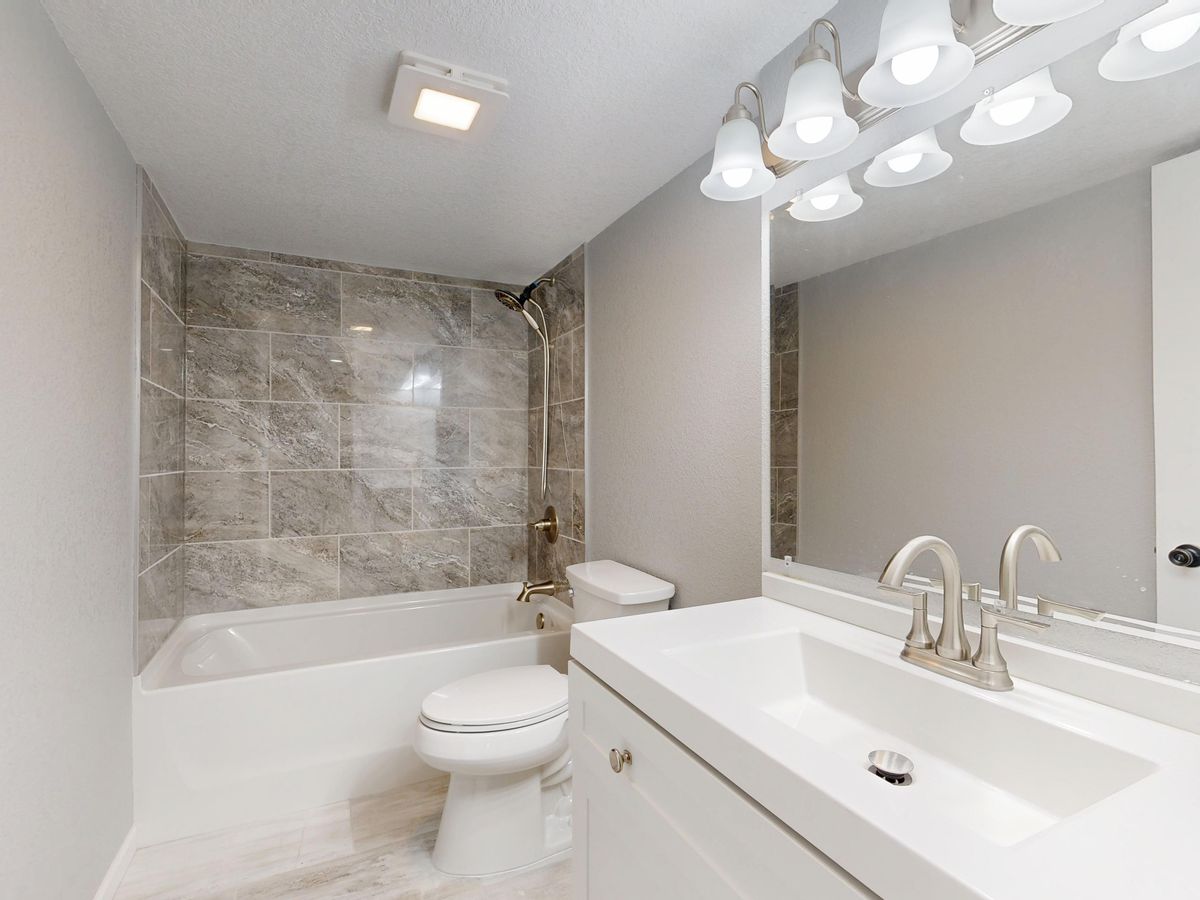
Short answer: Choosing between a shower and a bathtub depends on how your household uses the bathroom daily, whether at least one bathtub remains elsewhere in the home, and the location of your existing plumbing. Walk-in showers improve accessibility and daily convenience, while bathtubs remain important for households with young children and overall home resale value. In North Texas, slab foundations make moving drains or water supply lines expensive, so working within your current plumbing footprint is often a key factor.
Daily functional needs: Walk-in shower versus soaking tub
Daily routine drives the choice between a shower and a bathtub. Walk-in showers offer quick access, low entry thresholds, and flexible configurations that accommodate grab bars or bench seating. These features support aging in place and simplify daily use for adults with limited mobility. Bathtubs serve specific practical needs. Households with infants, toddlers, or pets benefit from a dedicated tub. Soaking tubs also provide relaxation options that walk-in showers cannot match. If a bathroom serves as a secondary or hallway bath used by guests and children, preserving a tub option is usually practical.
Impact on home value and resale appeal
Real estate market expectations favor keeping at least one full bathtub in a single-family home. Buyers with young children often pass on homes that lack a tub. If your home has multiple bathrooms, converting a primary bathroom tub to a spacious walk-in shower while retaining a tub in a secondary bathroom is widely accepted. Completely eliminating every bathtub from a home can narrow your pool of prospective buyers. When deciding on a conversion, consider the standard fixtures in neighboring homes of similar size and age. Matching local real estate standards helps preserve long-term property value.
Slab foundations and sub-slab plumbing constraints
Most Dallas-Fort Worth homes are constructed on concrete slab foundations. Tub and shower plumbing configurations differ underneath the slab. Standard bathtub drains typically use a one-and-a-half-inch drain pipe, whereas walk-in showers require a two-inch drain pipe to handle rapid water discharge and meet plumbing code. Converting a tub to a shower usually requires jackhammering into the concrete slab to access, enlarge, and relocate the drain trap. Moving water supply lines within wet walls or beneath concrete slab floors also requires extensive labor. If budget constraints prevent slab penetration, selecting a shower layout that aligns directly with the existing tub drain location helps manage total scope.
Layout, door clearance, and moisture control
Bathtubs fit fixed rectangular footprints, typically 60 inches long. Walk-in showers allow customized shapes, glass enclosures, or open curbless layouts that can make small bathrooms feel larger. However, shower doors require adequate swing clearance away from vanities, toilets, and entry doors. Steam generation is significantly higher in large walk-in showers than in standard tub-shower combinations. Higher moisture volume requires proper exhaust ventilation to protect drywall, trim, and ceiling paint. Exhaust fans must vent directly outside through the roof or sidewall rather than exhausting into unconditioned attic space.
Pre-remodel homeowner inspections and safety boundaries
Before committing to a layout change, homeowners can safely perform several initial checks: Measure room dimensions and clear floor space around fixtures to check door swings and walkways. Inspect grout lines, tile perimeters, and subfloor edging for signs of soft spots, cracking, or water damage. Check water pressure at the existing faucet and showerhead. Locate the main home water shut-off valve in case of emergency. Homeowners should avoid breaking concrete slab floors, cutting into load-bearing wall studs, or disassembling hidden plumbing valves without shutting off the main water supply. Structural and sub-slab work requires specialized tools, engineered safety measures, and professional oversight.
Professional assessments and Texas licensing requirements
A qualified contractor evaluates the structural and mechanical systems supporting your bathroom before work begins. Professionals perform flow rate tests, check drain line pitch, inspect attic exhaust ducting, and locate load-bearing studs in wet walls. In Texas, trade professionals must hold proper credentials for specialized work: Plumbing modifications must be performed by a licensed plumber. Electrical updates, including exhaust fans, GFCI outlets, and shower lighting, require a licensed electrician. HVAC modifications and mold remediation contractors are licensed through the Texas Department of Licensing and Regulation (TDLR). General contractors are not licensed at the state level in Texas, making proof of insurance, local references, and proper municipal permitting essential when hiring a project manager.
Factors that drive bathroom remodeling costs
Several structural and mechanical variables influence overall project scope and budget: Slab modification: Saw-cutting, jackhammering, and re-pouring concrete slabs to convert drain sizes increase labor and equipment costs. Plumbing relocation: Shifting supply pipes, shower valves, or drain lines away from original stub-out locations requires wall opening and line rerouting. Waterproofing systems: Frameless glass enclosures, custom tile work, shower pans, and liquid or sheet waterproofing membranes add material and labor expenses. Electrical and ventilation upgrades: Adding dedicated GFCI circuits, heat lamps, or higher-capacity exhaust fans to handle increased moisture levels expands electrical scope.
DFW regional factors: Clay soil, hard water, and freezes
North Texas environmental conditions directly impact bathroom plumbing and tile durability. The region's expansive clay soil swells during rainy periods and shrinks during dry spells. This continuous movement causes minor slab settling, which stresses rigid tile grout lines and sub-slab plumbing connections. Tile shower pans require flexible waterproofing membranes to withstand subtle foundation shifts without leaking. Municipal water across the DFW area contains mineral content that creates hard water scale inside valve cartridges, showerheads, and frameless glass enclosures. Installing pressure-balancing shower valves designed for hard water environments helps prevent premature clogging. Winter freeze events present additional risks. Bathrooms located along exterior walls or directly below unconditioned attic spaces require proper pipe insulation. Water supply lines inside exterior walls should be shielded to prevent freezing during hard winter weather.
Common questions
Will converting a bathtub to a shower hurt my home value?
Converting a tub to a shower will not hurt home value if at least one bathtub remains in another full bathroom. Eliminating the only bathtub in a home can discourage buyers with young children and reduce resale interest.
Can a shower drain connect to an existing bathtub drain pipe?
A shower drain usually cannot connect directly to an existing bathtub drain pipe. Bathtubs generally use a one-and-a-half-inch drain line, while shower pans require a two-inch drain line to meet plumbing code and prevent water overflow.
How does expansive clay soil affect walk-in shower tile?
Expansive clay soil moves as moisture levels change, causing minor foundation shifting. This movement can crack rigid grout lines and tile surfaces. Installing a flexible waterproofing pan membrane underneath the tile helps prevent leaks caused by structural movement.
Why does steam build up more in a walk-in shower than a tub?
Walk-in showers often feature larger open surface areas, higher water flow showerheads, and glass enclosures that retain heat, generating more water vapor. Adequate attic-routed exhaust ventilation is necessary to control moisture levels.