
Quartz vs. Granite Countertops: What Should Homeowners Compare?
Short answer: Homeowners should compare heat tolerance, maintenance requirements, UV exposure resistance, seam placement, and surface porosity. Quartz is an engineered product...
By Everyday Home Advice Editorial Team
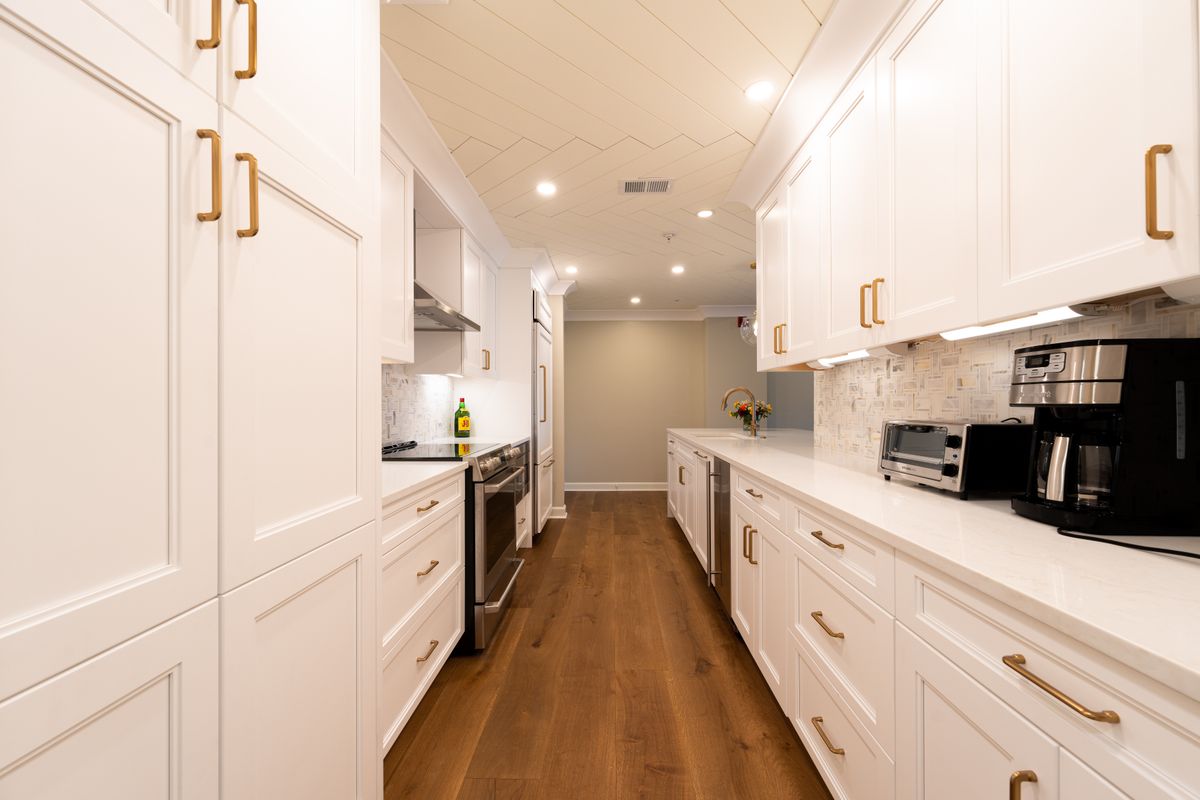
Short answer: Homeowners should compare heat tolerance, maintenance requirements, UV exposure resistance, seam placement, and surface porosity. Quartz is an engineered product that requires no sealing and offers uniform patterns, but its resin binder can scorch under direct heat or yellow under strong sunlight. Granite is a natural slab that tolerates high heat and direct sun, but requires periodic sealing to resist staining and hard water mineral buildup.
Key differences in composition and porosity
Understanding the raw materials explains how each surface performs in a active kitchen. Quartz countertops are engineered stone products. Manufacturers combine pulverized natural quartz crystals with polyester resins, polymers, and color pigments. Because resin fills every micro-void between the mineral particles, the finished slab is non-porous. Liquids, food dyes, and bacteria cannot penetrate the surface, making quartz resistant to deep staining. Granite is a natural igneous rock quarried in large blocks directly from the earth. It consists primarily of natural quartz, feldspar, and mica minerals formed under intense geological pressure. This natural crystalline structure contains microscopic pores and naturally occurring fissures. Unsealed granite can absorb liquids, cooking oils, and moisture, which can lead to dark spots or harbor organic matter within the stone.
Heat resistance and UV light sensitivity
Heat and sunlight affect engineered resins and natural minerals differently. Granite offers extreme heat resistance. Because it formed under volcanic heat, a natural granite slab easily tolerates direct contact with hot pots, baking sheets, and frying pans without charring, scorching, or cracking. Quartz contains polymer binders that soften or scorch under direct thermal stress. Setting a hot pan directly on a quartz countertop can melt the resin, leaving a dark, permanent ring or triggering thermal shock that cracks the material. Trivets and hot pads are required on all quartz surfaces. Sunlight exposure is another key distinction. Sunlight streaming through large south- or west-facing kitchen windows contains ultraviolet rays that break down quartz resins over time. This exposure causes clear or white quartz to turn yellow and dark quartz to fade. Granite consists strictly of natural minerals that resist ultraviolet damage, making it safe for sun-drenched kitchens and shaded outdoor patio spaces.
Maintenance, hard water, and daily wear
Daily cleaning routines and local water chemistry influence long-term countertop performance. Municipal water across the Dallas-Fort Worth area contains elevated levels of dissolved minerals, particularly calcium and magnesium. When tap water splashes around faucets and under-mount sink edges and evaporates, it leaves chalky white mineral deposits. Granite requires periodic application of a penetrating stone sealer. Sealer fills the surface pores to keep hard water minerals, acidic juices, and oils on top of the stone where they can be wiped away. Unsealed granite absorbs tap water quickly, creating temporary dark patches or permanent mineral discoloration around sink cutouts. Quartz never requires sealing or polishing pastes. Routine maintenance involves wiping the surface with a soft cloth, warm water, and mild dish soap. However, abrasive scrubbing pads and harsh chemical cleaners can dull the factory resin gloss on quartz, while acidic descalers can etch unsealed natural granite.
Foundation movement and seam stability in North Texas
Soil conditions in North Texas directly affect the structural integrity of rigid countertop materials. Expansive clay soil expands significantly when absorbing seasonal rain and shrinks during hot, dry summer months. This continuous soil expansion and contraction causes minor movement in residential slab foundations, which transfers movement through floor framing into lower kitchen cabinets. When base cabinets tilt, settle, or pull away from level alignment, long countertop spans experience bending forces. Granite has low flexural strength. Cabinet settling under unsupported granite spans can open up epoxy seams or split slabs along natural mineral fissures. Quartz has slightly higher flexural strength than granite due to its flexible polymer resin binders. It tolerates minimal cabinet flex better than natural stone, but significant foundation deflection will shear quartz seams as well. Installers must level lower cabinets precisely and apply flexible silicone caulking at wall transitions rather than rigid grout to accommodate house movement.
Safe homeowner checks before installation or repair
Homeowners can perform simple checks to assess their kitchen environment and surface conditions:
- Perform a water drop test: Place several drops of water on existing granite. If the stone darkens within fifteen minutes, the protective sealer has worn away and requires reapplication.
- Check window sun angles: Track how direct afternoon sunlight hits the cabinet layout to determine if quartz will suffer long-term ultraviolet exposure.
- Check cabinet leveling: Lay a four-foot level across base cabinets before stone installation. Gaps beneath the level indicate cabinet or foundation settling that must be corrected with shims.
Homeowners should never attempt to cut stone slabs, grind down uneven seams, or apply acidic drain cleaners near countertops. Cutting stone without specialized wet saws and high-efficiency particulate air dust collection releases hazardous respirable crystalline silica dust into the home.
What professional fabricators evaluate and test
Professional countertop fabricators follow precise procedures to ensure a durable installation:
- Digital laser templating: Fabricators scan wall angles, cabinet runs, and plumbing centers to create precise cut files that accommodate out-of-square walls.
- Seam placement planning: Technicians map seams over solid cabinet partitions and away from high-stress areas like sink cutouts, cooktop drop-ins, and wide spans.
- Substrate support verification: Installers evaluate island overhangs to determine if concealed steel support brackets or plywood sub-top decking are necessary.
- Licensed trade coordination: Fabricators cut openings for sinks and cooktops, but they do not connect utilities. Reconnecting supply lines, drain traps, gas valves, or electrical lines requires licensed trade professionals. In Texas, plumbing connections require a TDLR-licensed plumber, and electrical connections require a TDLR-licensed electrician.
Repair options and cost drivers
Repair options depend on the extent of the damage:
- Minor chips: Fabricators fill edge chips around sink cutouts or corners using clear or tinted acrylic or epoxy resins, which are cured with ultraviolet light and hand-polished.
- Seam separation: Installers scrape out failed, brittle epoxy, relevel the cabinet supports beneath the joint, and inject fresh color-matched epoxy.
- Severe cracks and scorch marks: Scorch marks on quartz and structural cracks through granite slabs generally cannot be polished out and require replacing the affected slab section.
Overall project costs are driven by slab rarity, material thickness, edge profile complexity, sink cutout treatments, cabinet leveling requirements, and removal labor for existing materials.
Common questions
Can quartz be installed in an outdoor kitchen?
Quartz should not be installed outdoors. Direct sun exposure degrades the resin binders, causing the surface to turn yellow, chalk, or crack over time. Granite is a better choice for outdoor kitchens because natural minerals resist weather and ultraviolet light.
How often does granite need to be sealed?
Sealing frequency depends on the density and color of the stone. Dense, dark granites may only require sealing every few years, while light-colored or porous granites may require penetrating sealer every six to twelve months.
Will foundation shifting crack a stone countertop?
Foundation movement can crack rigid stone countertops if lower cabinets lose level support. When cabinets tilt or dip, the un-supported weight of the heavy slab creates stress points that can split seams or cause full structural cracks across the stone.
Who handles plumbing when replacing kitchen countertops?
Countertop fabricators mount the sink basin to the stone, but they do not hook up water or drain lines. In Texas, disconnecting and reconnecting plumbing lines, garbage disposals, and gas cooktops requires a TDLR-licensed plumber.